
Last updated November 15, 2026
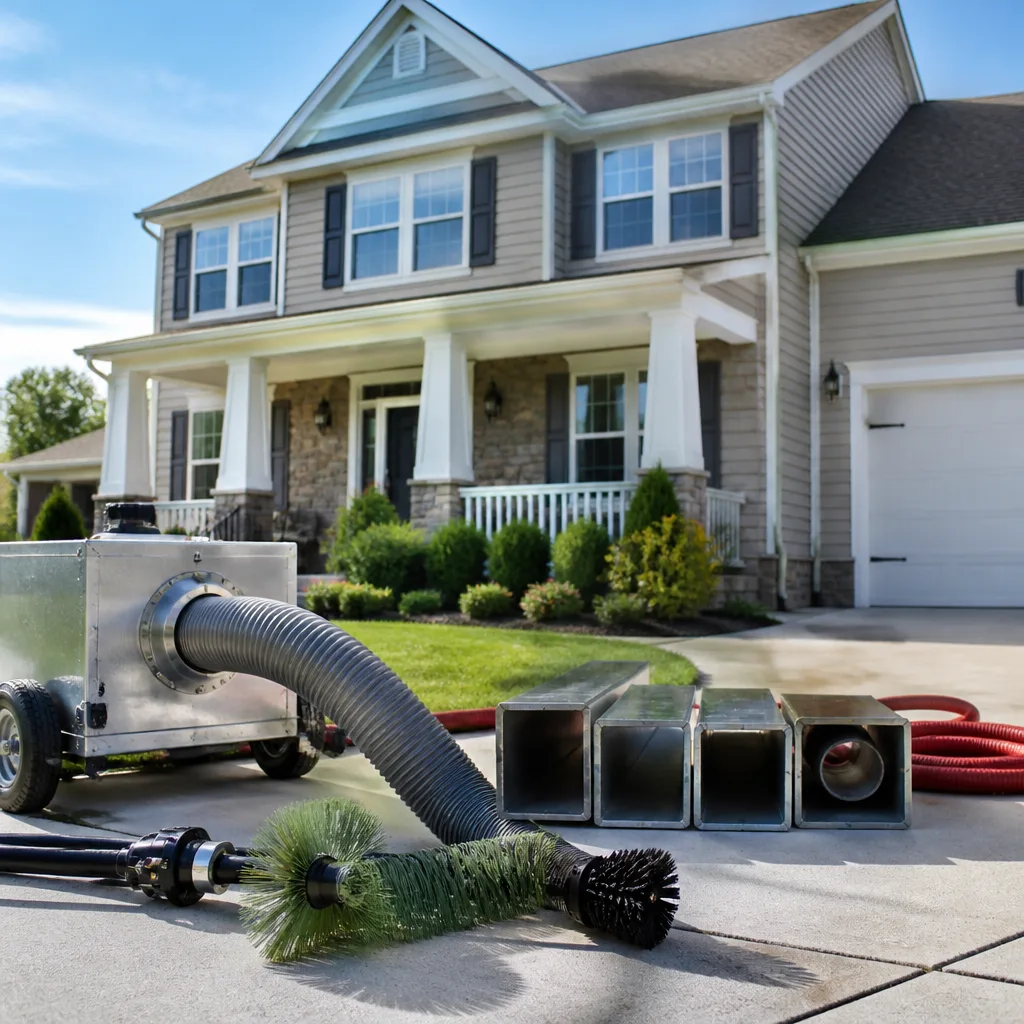 Whole-home duct cleaning
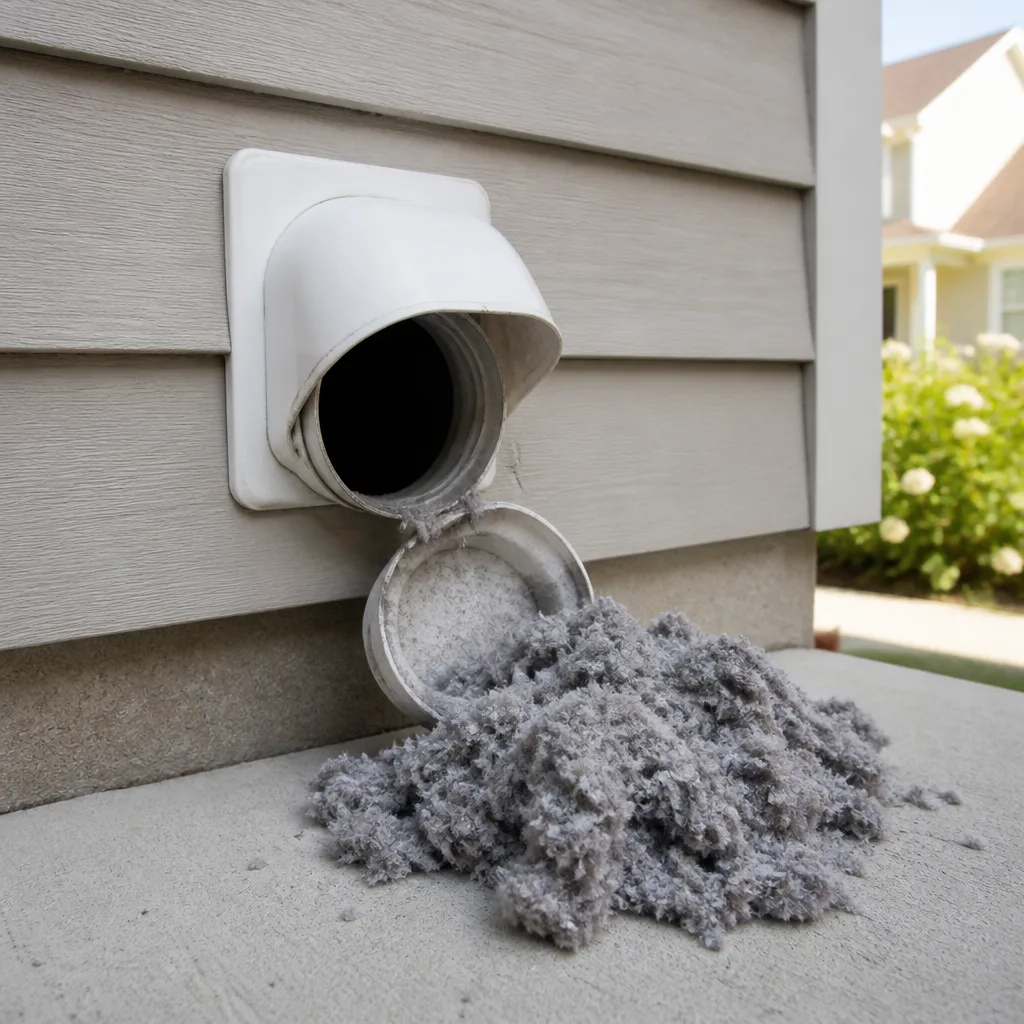 Dryer vent cleaning
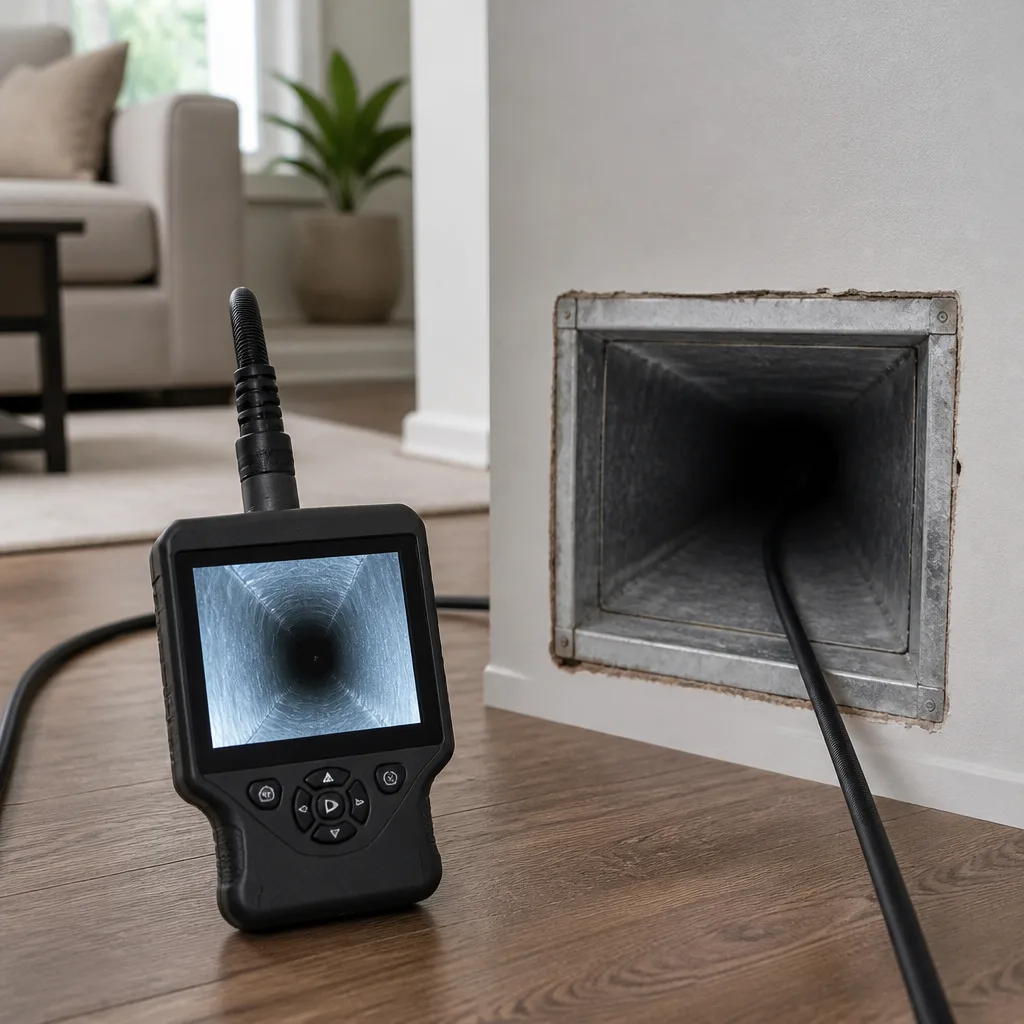 Camera inspection
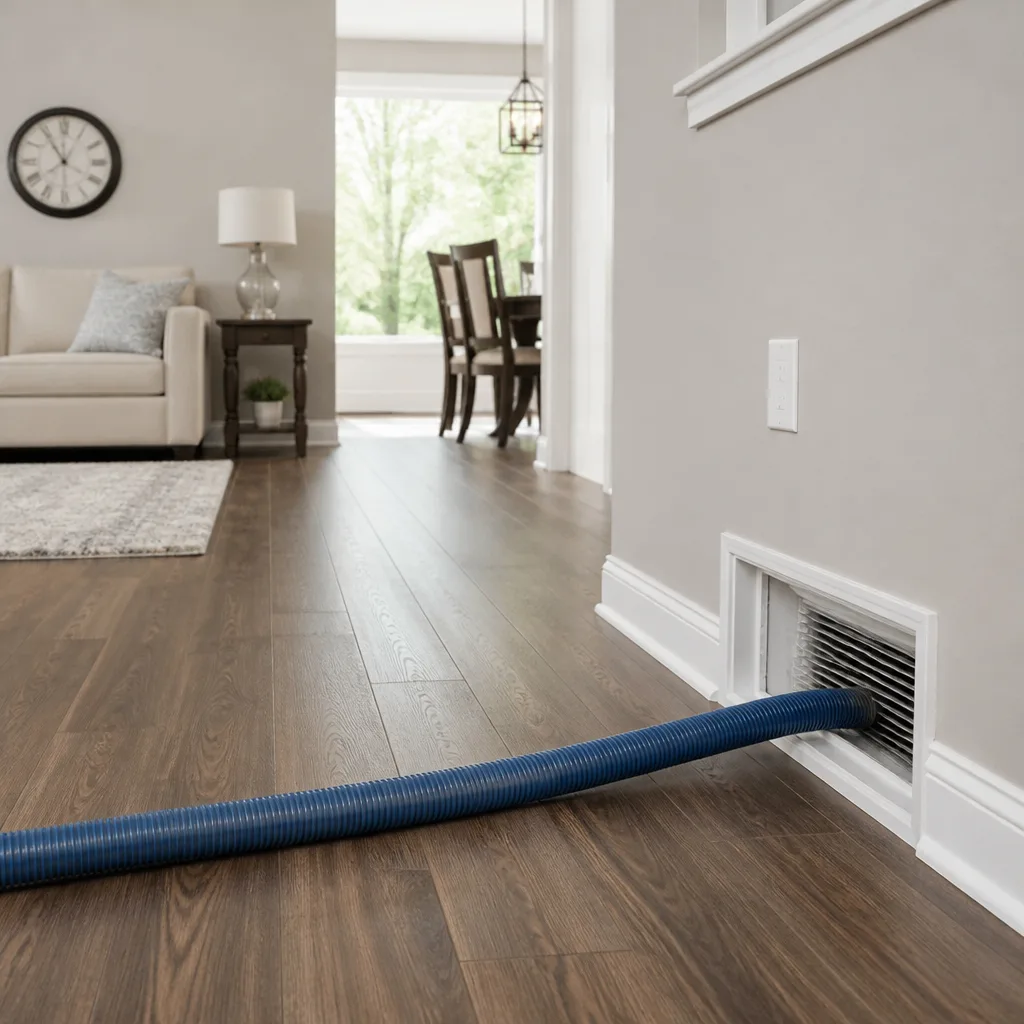 Sanitizing & deodorizing
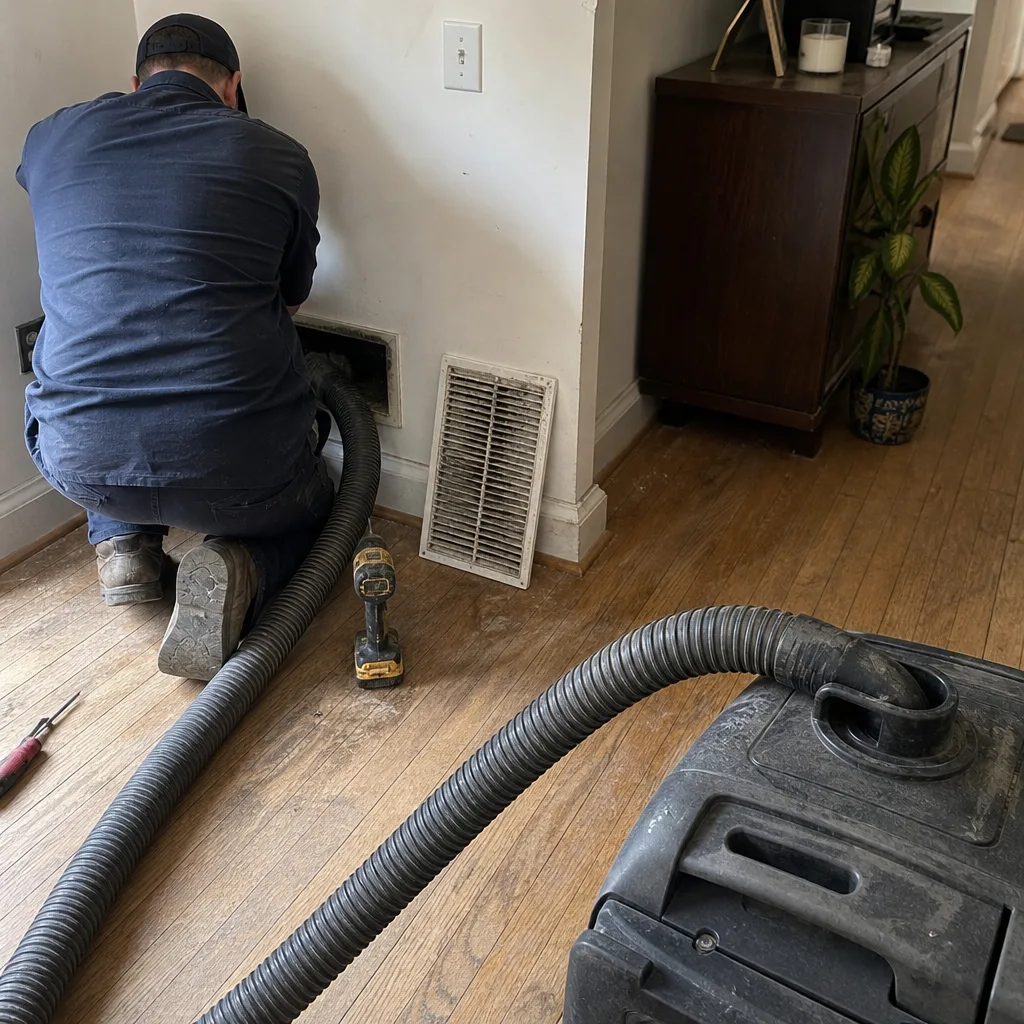
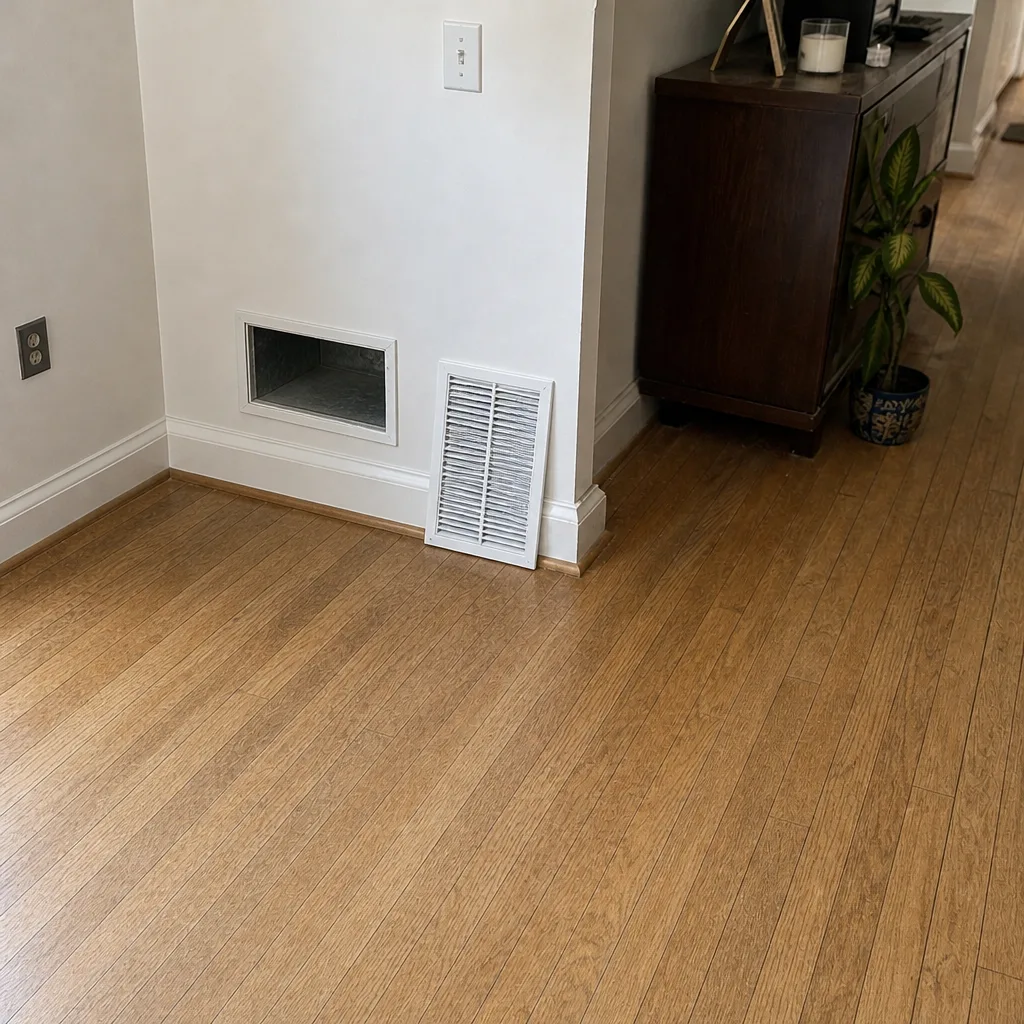
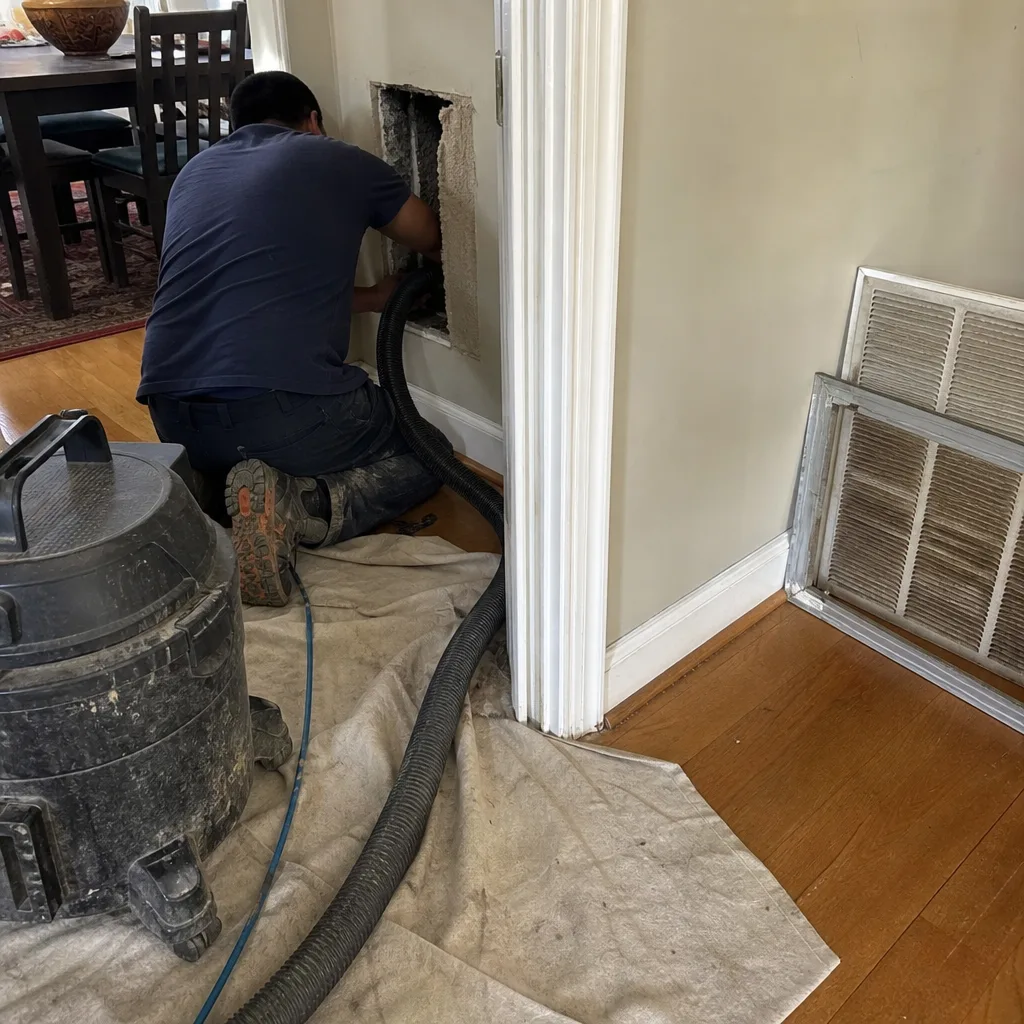
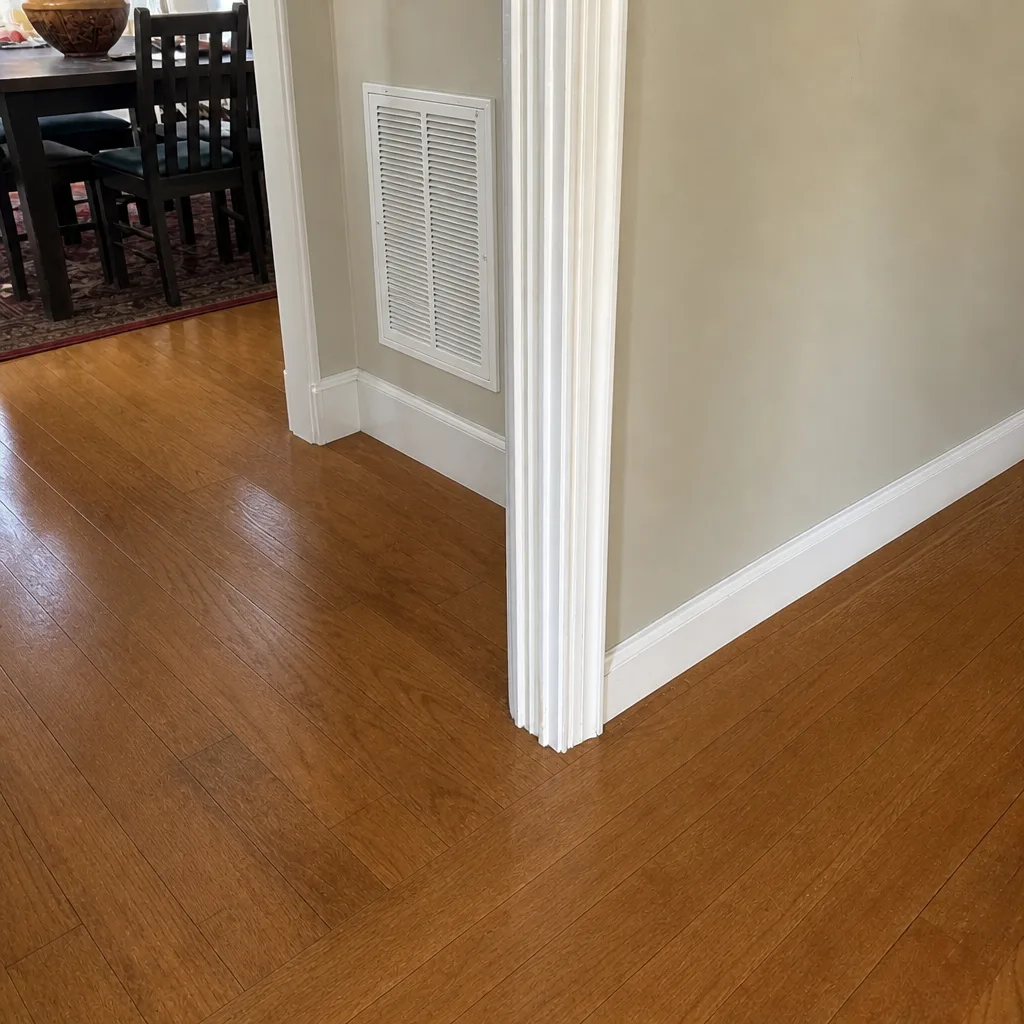
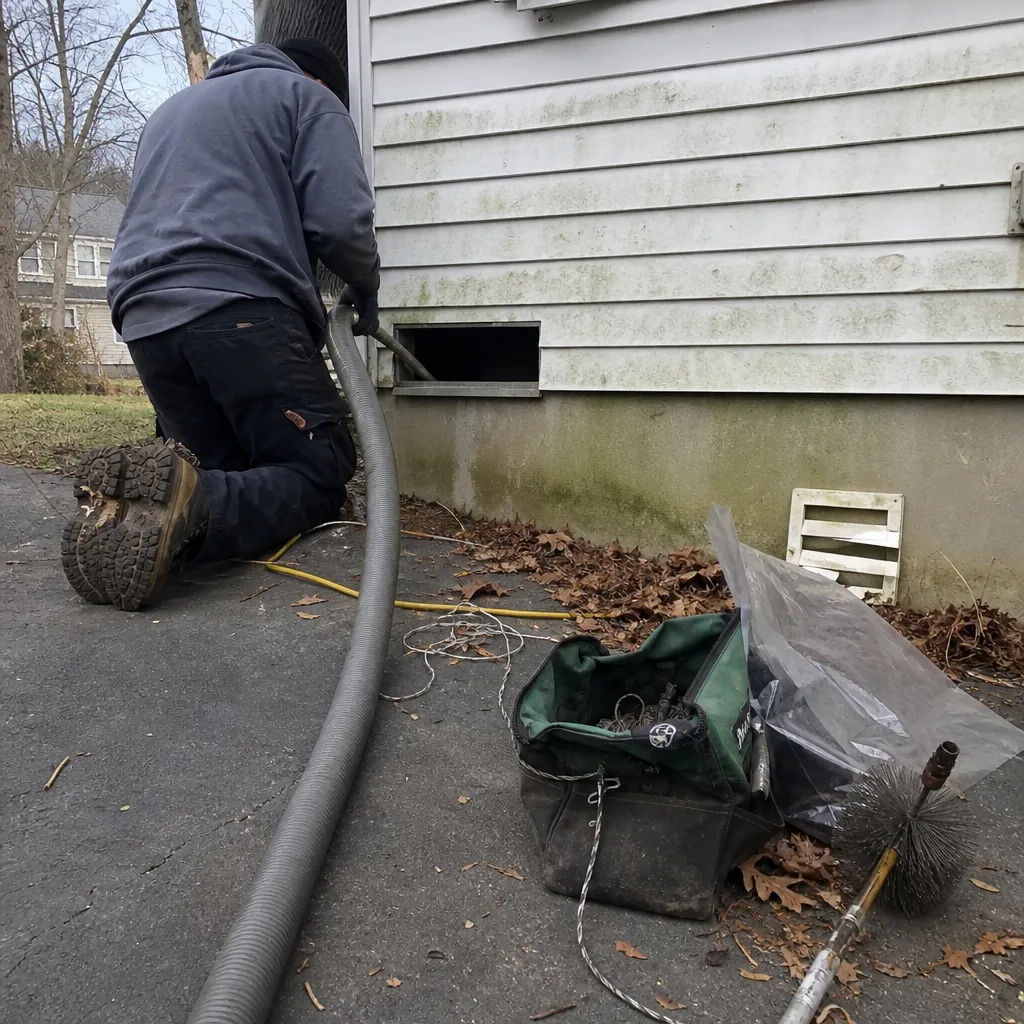
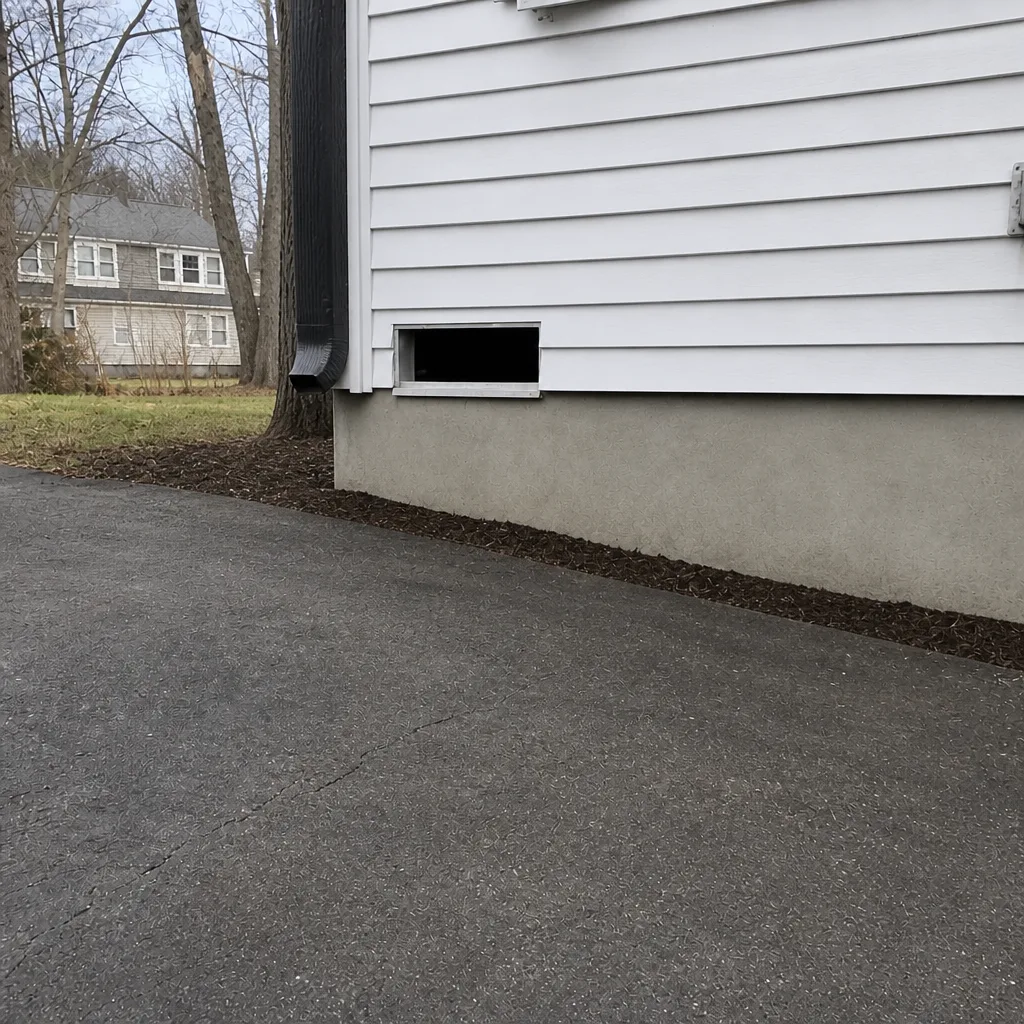
Whole-system duct and dryer vent check with before-and-after photos - you see exactly what came out of your vents
That "$99 whole-house special" is a bait ad - the real number appears once they are in your hallway, or the "clean" is a shop-vac at the register. We photograph the inside of your ducts before and after instead.
Air Duct Cleaning Maintenance Checklist for Arlington Homeowners
Changing your filter is not a maintenance strategy. It’s a minimum, and it’s the minimum most of us were taught. Around Arlington, that habit leaves a lot of homes with significant debris piled at the return grilles and sitting in flex-duct runs a filter never touches. The filter catches what it can at one point in the system; everything downstream of it is on its own. This guide is built around the eleven months between professional cleanings, because that’s where most duct problems actually start. You’ll learn a monthly inspection routine, what your grilles are telling you, how to log HVAC behavior, what to do before and after a service visit, and exactly when to stop watching and call someone.
Quick Answer
A solid air duct maintenance checklist for an Arlington homeowner combines four things: a monthly filter check tuned to Arlington’s pollen and humidity calendar, a quick visual and smell check at every supply and return grille, a written log of airflow and noise changes, and a professional full-system cleaning on a realistic interval (typically every three to five years for most homes). The checklist is the ongoing habit. The professional cleaning is the reset button.
Styles & brands we work with
- Whole-home duct cleaning
- Dryer vent cleaning
- Camera inspection
- Sanitizing & deodorizing
Table of Contents
- Why Filter Changes Alone Fall Short
- The Monthly Filter Inspection Protocol
- What to Watch at Supply and Return Grilles
- Logging HVAC Performance Changes
- Arlington’s Seasonal Maintenance Calendar
- Pre- and Post-Cleaning Homeowner Tasks
- When to Escalate to a Professional Inspection
- Common Mistakes to Avoid
Why Filter Changes Alone Fall Short
A filter is a single barrier at a single point. Air returns from every room through grilles, travels through branch runs to a trunk line, passes the filter and the blower, and goes back out. The filter catches particles at the air handler. Everything that settles in the return-side ductwork before the filter is already past the barrier. That’s the gap. In a home with carpet, pets, or nearby construction, debris accumulates on the return side faster than most people realize, and the filter’s cleanliness tells you almost nothing about it.
And the filter itself is often the wrong one. A high-MERV filter in an older Arlington system can restrict airflow, strain the blower, and push the system into short cycling. The filter isn’t the hero of the story, it’s one component in a system. Ask yourself what the filter is protecting, and what’s protecting the ducts. They’re different questions.
- A filter treats the air handler, not the duct runs.
- Return-side ducts collect debris that never meets a filter.
- Oversized or restrictive filters can hurt performance as much as a dirty one.
- Flex-duct with sagging runs holds debris in low spots a filter can’t address.
- Professional cleaning resets the system, but maintenance protects it in between.
The Monthly Filter Inspection Protocol
The filter check should take ninety seconds, once a month, on the same day you pay a bill or take out the recycling. It’s not a task that requires a tool. It’s a task that requires a habit.
- Pull the filter and hold it to a light. If you can’t see a glow through the pleats, it’s loaded. Replace it.
- Look at the color of the debris. Gray dust is normal. Black soot, greasy brown film, or heavy lint suggest something the filter is fighting harder than it should.
- Check for bowing or collapse. A pleated filter that’s sagging inward is being pulled by a blower that wants more air than the filter allows. Consider a lower MERV rating.
- Note the month. If a filter that usually lasts ninety days only makes it to fifty, log it. Something changed in the house.
The Arlington Seasonal Factor
Arlington pollen season, roughly March through May, loads filters faster than any other stretch of the year. Late-summer humidity drives the A/C system harder, so filter loading doubles up in June through August. In our experience, most Arlington homes that use a basic 1-inch filter need replacement every 60 to 90 days, not the “3 to 6 months” printed on the box. Homes with pets, allergy sufferers, or a window open on a pollen-heavy day run closer to 30 to 45 days during peak spring. The box is a guideline. Your filter is the truth.
If you’re unsure whether your system’s filter setup is sized correctly for the house, a professional can look at the filter grille, the blower, and the return trunk as a system rather than a slot.
What to Watch at Supply and Return Grilles
Grilles are your windows into the ducts. Two minutes with a flashlight at each one, every month, tells you more about the system than a filter ever will.
Visual indicators
- Dark streaking radiating from the grille fins – air bypassing a poorly sealed grille, pulling dust past the fin surface.
- Lint or fuzz collected on the grille face – normal in small amounts, but a thick mat weekly means the run behind it is feeding it.
- Visible dust inside the return boot – shine a light up into the duct at the return; if the interior surface looks like felt, that’s a sign the return run is overdue.
- Rust spots or water staining on a grille – usually a saturated filter, condensation, or a return run that’s pulling humid air. Worth a professional look.
Odor indicators
- Musty, basement-like smell when the system starts. Often humidity in the return-side duct.
- Pet or cooking odor reappearing hours after you’ve cleared the room. The system may be holding it in the duct.
- Dry, dusty smell at the return grille. Almost always accumulated dust in the return boot.
If any single grille in the home stands out from the rest, note which one. That’s diagnostic information. A whole-home issue shows up everywhere; a room-specific issue usually points at one section of duct. When we clean a home in Arlington, we look at the pattern across all the grilles before we ever connect equipment. The pattern tells us where to focus.
Logging HVAC Performance Changes
Most duct problems announce themselves before they show up on a bill. They announce quietly, with a small change in airflow, a slightly louder blower, or a longer run time. A log turns those whispers into a signal.
- Establish a baseline. On a normal day, note how long the A/C runs to drop the house one degree, and how strong the airflow feels at the grille nearest the air handler versus the farthest one.
- Record once a month. Same conditions each time: doors closed, no cooking, same time of day.
- Watch three signals: airflow at the farthest register, noise level at the return grille, and run time from call to satisfation.
- Note anomalies. A whistling grille, a rattle when the blower starts, a room that’s warm while another is cold. Write it down; don’t rely on memory.
- Review the log before any service visit. It’s the single best diagnostic tool a technician can be handed.
We’ve seen homeowners walk a technician through twelve months of a log and turn a two-hour guess into a fifteen-minute diagnosis. The log doesn’t replace professional inspection. It tells the professional where to look first. That’s worth doing.
Arlington’s Seasonal Maintenance Calendar
Arlington sits in a climate with real pollen seasons, humid summers, and a heating season that arrives wet and mild rather than deep and cold. That combination shapes what the ducts see throughout the year.
- March through May – Pollen season. Filter changes every 30 to 45 days for allergy households. Grilles should be wiped monthly rather than allowed to load. Keep windows closed during the highest pollen counts.
- June through August – Humidity season. Watch for condensation in return boots, and check the condensate line once a month. Musty odors are most common in this window.
- September through November – Shoulder season. Airflow changes are easiest to notice when the system runs intermittently. Run the system fan briefly every few weeks to keep ducts from sitting stale.
- December through February – Heating season. Watch the supply grilles for black dust streaks, which can indicate a return-side issue worsening under the heavier dry heating load.
This is the rhythm an Arlington homeowner can plan around. The calendar doesn’t replace monthly checks; it tells you where to focus them.
Pre- and Post-Cleaning Homeowner Tasks
A professional cleaning is only as good as the access the technician has and the follow-up the homeowner does. Neither side should leave it to chance.
Before the visit
- Clear the work area around the air handler and each return grille. Technicians need room to move equipment.
- Note any special concerns in writing for the technician: a room that’s always cold, a smell you’ve tracked, a filter that clipped short.
- Plan for the household: pets and young children are best out of the home for a few hours during duct work, and the work generates temporary dust in the immediate area of the equipment.
- Have your log ready. The pattern of changes is worth more than a snapshot.
After the visit
- Check the before-and-after photos. A professional cleaning should produce them. Insist on it. Duct cleaning has a bait-and-switch reputation in every city, Arlington included, and the photos are how you close that gap.
- Replace the filter. Not sometimes. Every time. Cleaning a system with a loaded filter defeats part of the reset.
- Note the results in the log. Airflow at the farthest register. Noise at the return. Run time. These become your new baseline.
- Schedule the next inspection. Three to five years is typical for most homes, but heavy-pollen or heavy-pet households may need a shorter interval. When you contact Juniper Air Duct Cleaning for a cleaning, we’ll tell you honestly what interval fits your home’s pattern.
Some jobs come back with a recommendation to repair. Not every duct cleaning company does repair work. That’s the gap air duct cleaning alone doesn’t close, and it’s the reason we handle repair as one of our three core services rather than referring it out. A technician who diagnoses, cleans, and fixes under one visit is better than a technician who reports and leaves.
When to Escalate to a Professional Inspection
Monitoring has limits. Some signals mean stop watching, start calling. Here are the thresholds we use:
- Visible dust on the filter after less than 30 days in a home that used to reach 90. The filter isn’t the problem; the source is.
- A persistent musty, dusty, or oily smell at any grille that doesn’t clear after a filter change.
- Airflow that measurably drops at the same register across two consecutive monthly checks.
- Diagnosed duct damage from any inspection: crushed flex, popped joints, torn interior liner, disconnected runs.
- A visible accumulation of debris in the return boot with a flashlight. That’s debris the filter never touched, and it won’t leave on its own.
- Recent renovation. Drywall dust, sawdust, and construction debris move to the return side faster than any filter can catch them.
- A new home or first clean in an unknown home. Move-in is the single best time to have a full system looked at, because you have no baseline.
- An allergy or asthma sufferer in the home whose symptoms track with HVAC activity.
Two of those triggers at once, or any single one that lasts more than a month, is a professional-inspection signal. When you call, mention which trigger you’ve seen. It shortens the diagnosis.
Common Mistakes to Avoid
- Treating the filter as the plan. A clean filter leaves return-side debris untouched. The filter is one node in the system.
- Buying the highest-MERV filter on the shelf. An over-restrictive filter can drop airflow and strain the blower. Your system has a correct MERV range; respect it.
- Ignoring one odd grille. A single grille that stands out from the rest is diagnostic. It’s not a quirk.
- Skipping the log because “it’s probably fine.” Memory lies. The log doesn’t. It’s the cheapest diagnostic tool in the house.
- Letting flex-duct sag. In Arlington, flex runs that dip below the trunk line collect debris and moisture at the low point. If you see a duct running low across the attic or crawlspace, note it.
- Hiring a cleaning company on price alone. A crew without containment equipment can spread dust rather than remove it. Ask which equipment they use. If the answer is vague, that’s your answer.
- Cleaning and then reinstalling the old filter. Every cleaning ends with a new filter. No exceptions. The cleaning reset the system; don’t immediately load it back up.
See the difference
 Before
 After
 Before
 After
 Before
 After
When to Call a Professional
Call when the checklist has done its job and pointed at something the checklist can’t fix. Debris visible in a return boot. A whiff that won’t leave. Airflow that dipped and never came back. Ductwork that’s been repaired by guesswork in a past life. Or a home with no baseline at all, like a recent purchase or a system with an unknown history. Those are professional-inspection triggers, not homeowner-project triggers.
For a full-system cleaning and inspection in Arlington, Juniper Air Duct Cleaning offers free estimates and uses professional-grade Rotobrush and Nikro HEPA-rated equipment, so the cleaning removes debris rather than spreading it. Our technicians have up to 11 years of experience with the same tools commercial contractors use. The estimate is free and the price is set per job by the written estimate, agreed before work starts. Call (844) 932-0326. We answer 24/7. Fast dispatch from 7am to 7pm, Sunday through Friday.
If the checklist has pointed at fire risk from dryer lint rather than duct debris, dryer vent cleaning is the right call. It’s a safety service, not an add-on.
Frequently Asked Questions
Every three to five years is a realistic interval for most Arlington homes, but heavy pollen seasons, pets, recent renovation, and allergy households push that shorter. If you’re unsure, start with a professional inspection and let your home’s pattern set the interval from there. A cleaning done on a schedule you understand beats one done on a schedule a coupon dictates. Call (844) 932-0326 for an exact quote – estimates are free.
Monthly is not overkill; it’s the cheapest control you have over three thousand dollars of ductwork. A filter that loads in fifty days in March because of pollen is worth knowing about. A filter that bows because it’s too restrictive is worth knowing about. Two minutes a month prevents both surprises.
Watch for a persistent musty or dusty smell at one grille, a visible film inside the return boot, airflow that measures lower at the same register two months running, or a filter that loads at half its normal interval. Any one of those is a signal. Two is a call. Call (844) 932-0326 and mention which one you’ve seen – it shortens the diagnosis.
No, but pets and young children are best out of the home for the few hours the work takes, and the technician will need to move equipment through the house. Professional equipment includes HEPA-rated containment, which keeps dust from migrating into living space. If you’re concerned about a particular room, tell the technician before work starts.
Ask for before-and-after photos of your own ducts, and look at them. A professional cleaning should produce them without being asked. Duct cleaning has a reputation problem in every city, and photos are how a legitimate company closes that gap. Ask the question up front; a professional answers it without flinching.
Cheap quotes usually come from crews without commercial-grade equipment or containment, or from pricing that changes once a technician is on site. That’s the bait-and-switch pattern you hear about. Our price is set per job by a written estimate before work starts, one flat price per system, with no per-vent pricing. If a quote seems low, ask which equipment they use and whether the price is fixed in writing. Call (844) 932-0326 for an exact quote – estimates are free.
Yes. Premium IAQ systems from Honeywell, Aprilaire, Abatement Technologies, and Guardsman all rely on clean ductwork to perform as designed. A dirty return side undermines a good filtration system faster than a bad one. If your home already has an IAQ system, duct condition matters more, not less. Cleaning by a crew that understands those systems, rather than working around them, is the right call.
The Bottom Line
Duct maintenance is a year-round habit, not a service call. The checklist in this guide is designed to run every month between professional cleanings, watch the patterns that predict a problem, and flag the thresholds that mean it’s time to escalate. Four habits carry most of the value: a monthly filter check that follows Arlington’s pollen and humidity calendar, a two-minute look at each grille, a written log of airflow and noise, and a professional full-system cleaning on the right interval. Everything else in this guide supports those four. If you’d like a professional to look at the pattern your checklist has been building, Juniper Air Duct Cleaning offers free estimates in Arlington. Call (844) 932-0326. We answer 24/7. Fast dispatch from 7am to 7pm, Sunday through Friday.
Written by the team at Juniper Air Duct Cleaning.