
Last updated November 15, 2026
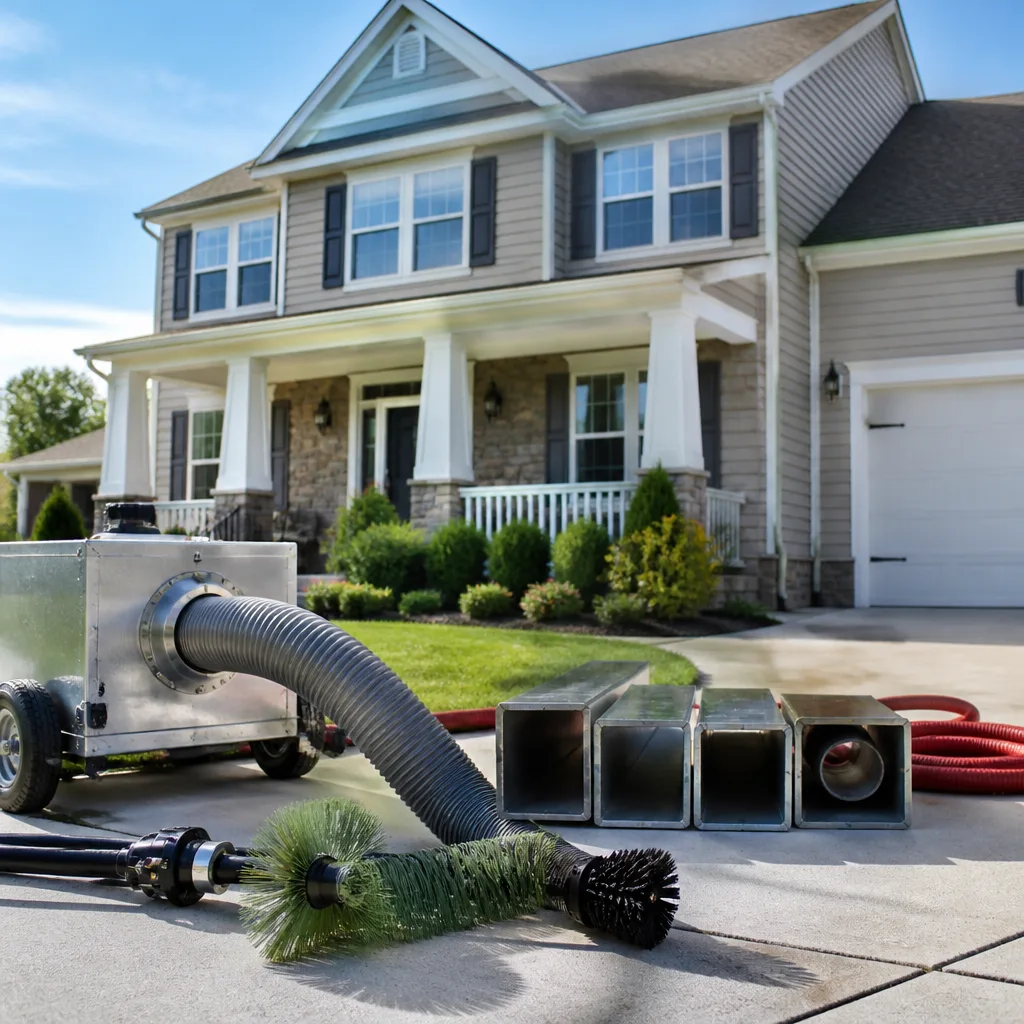 Whole-home duct cleaning
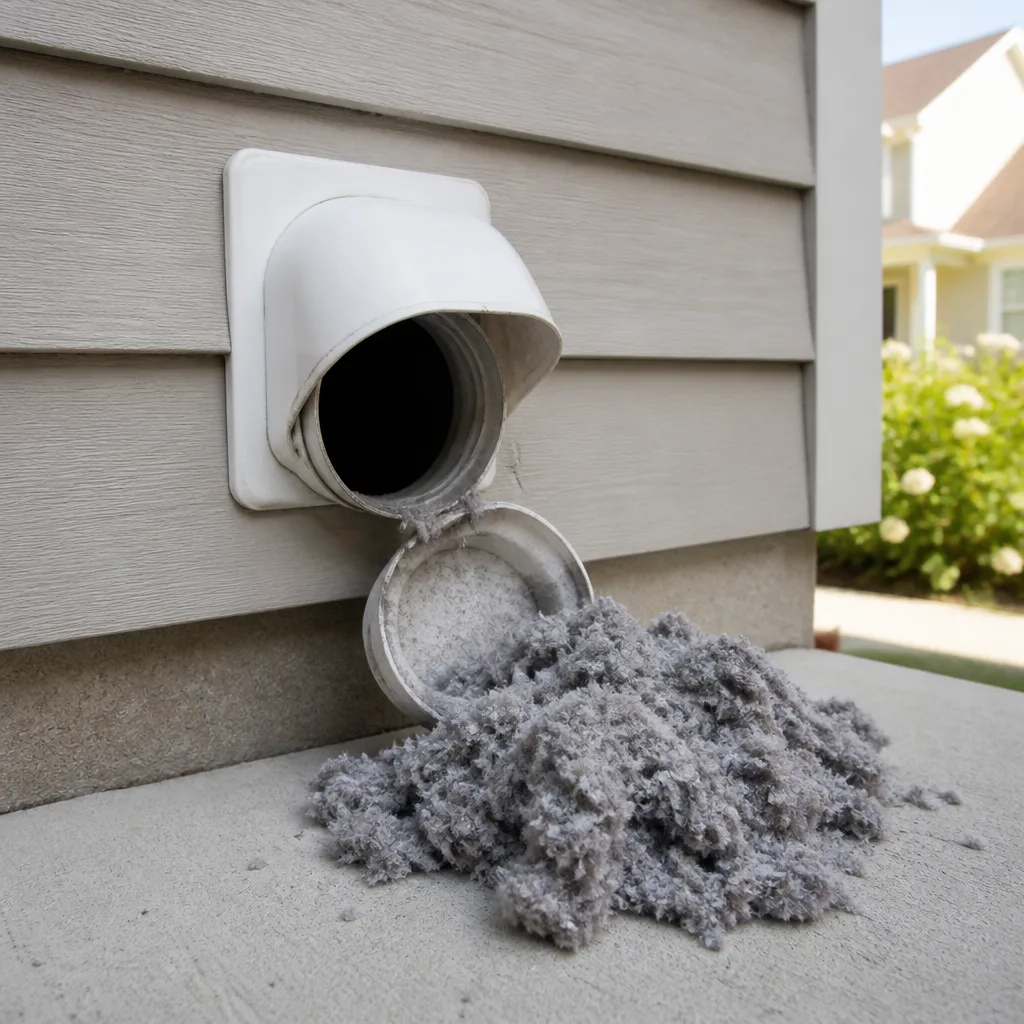 Dryer vent cleaning
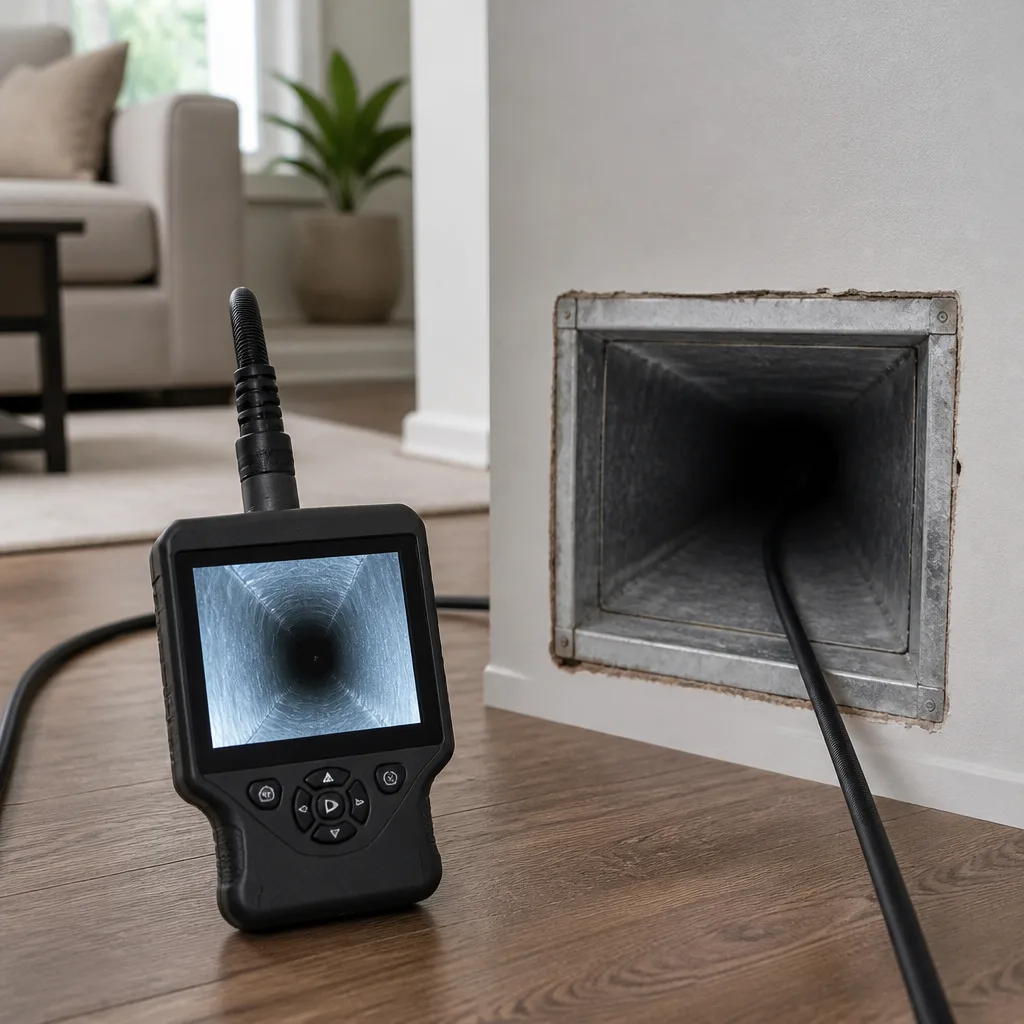 Camera inspection
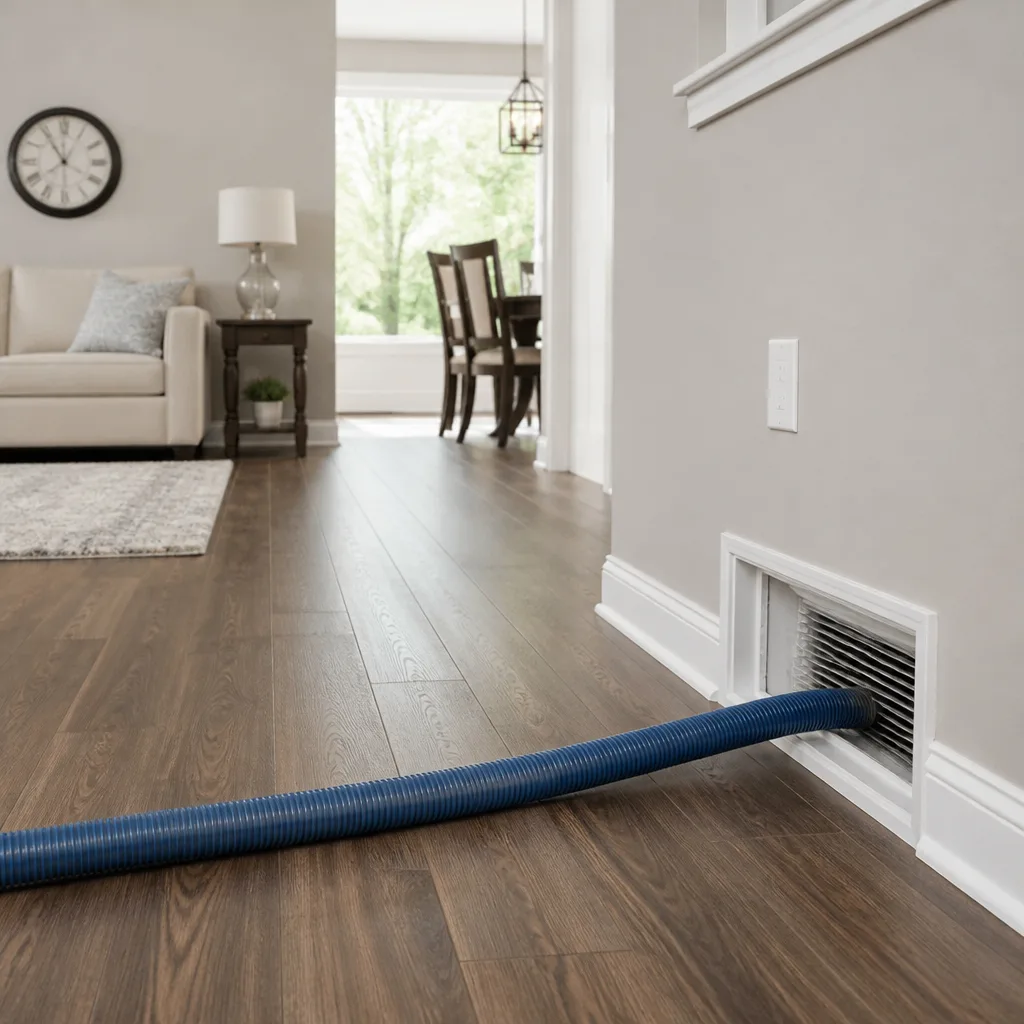 Sanitizing & deodorizing
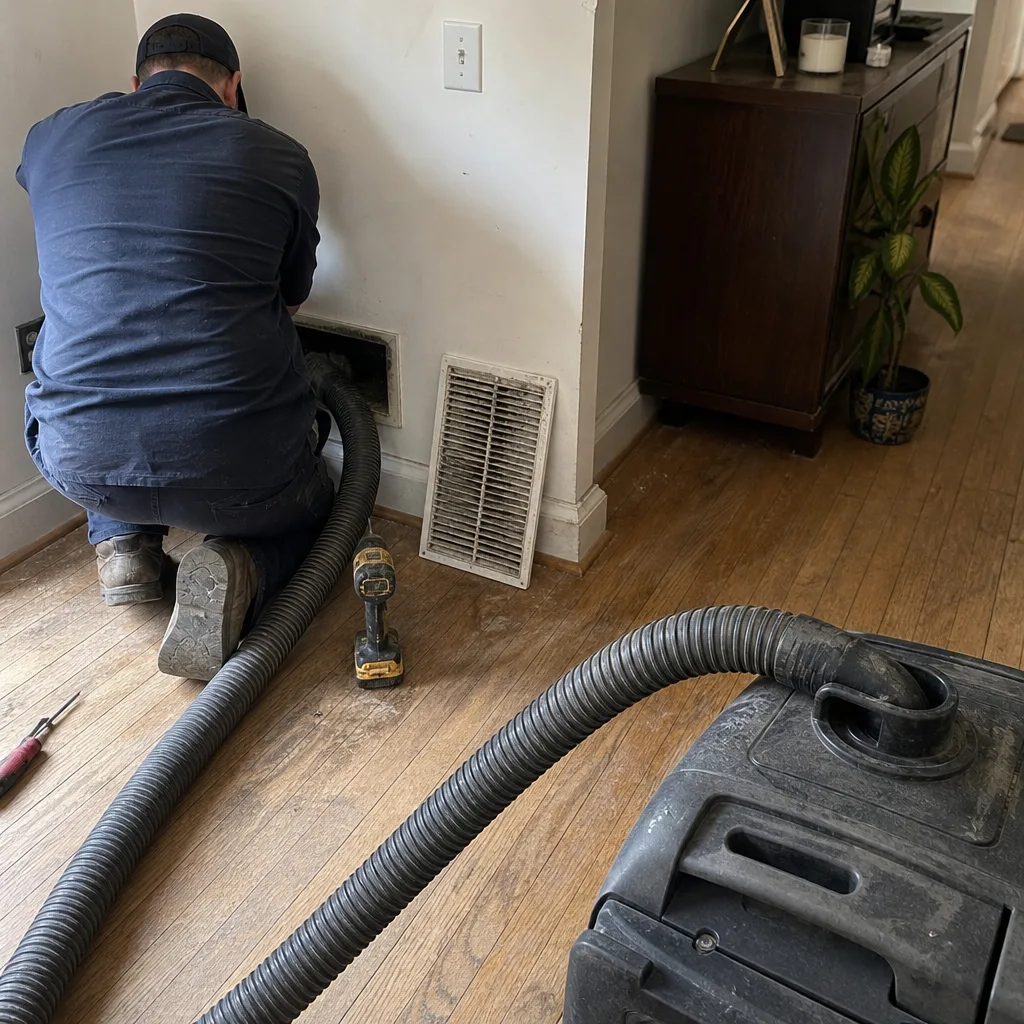
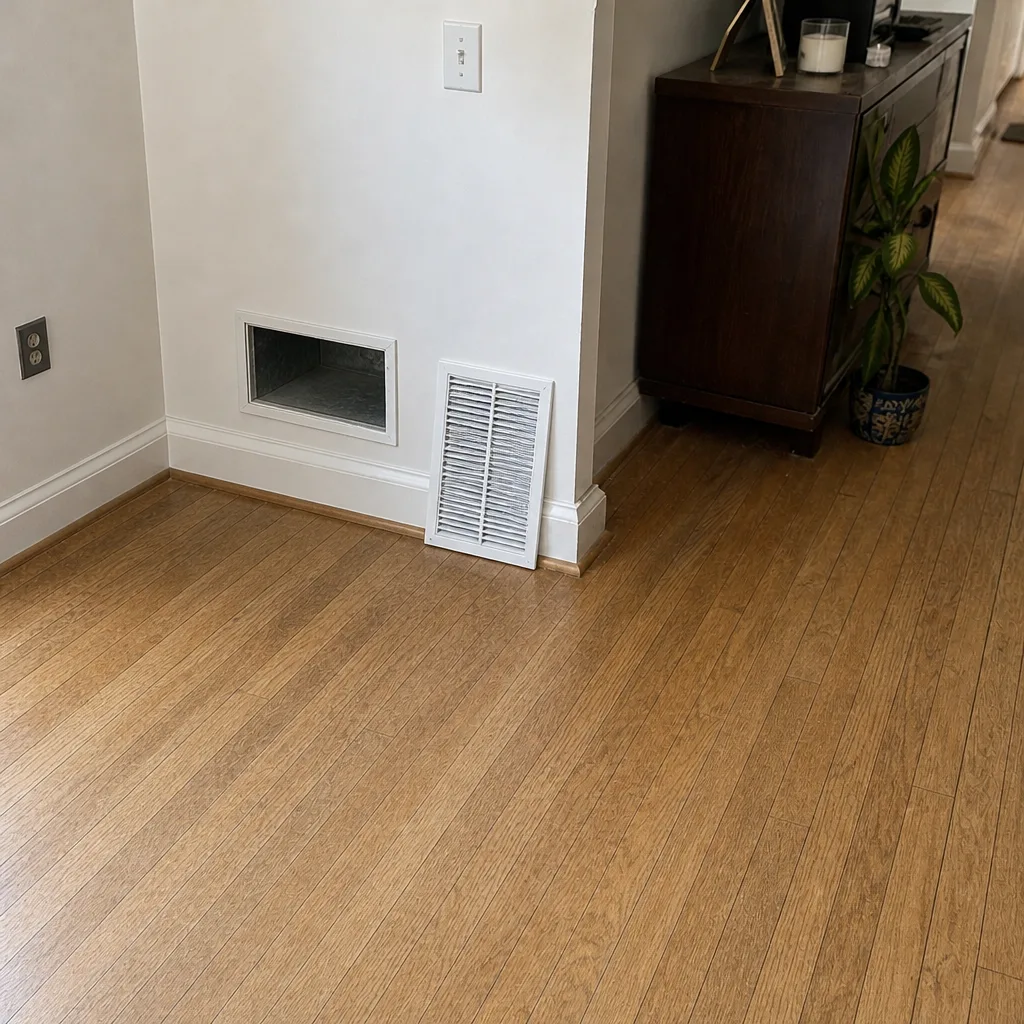
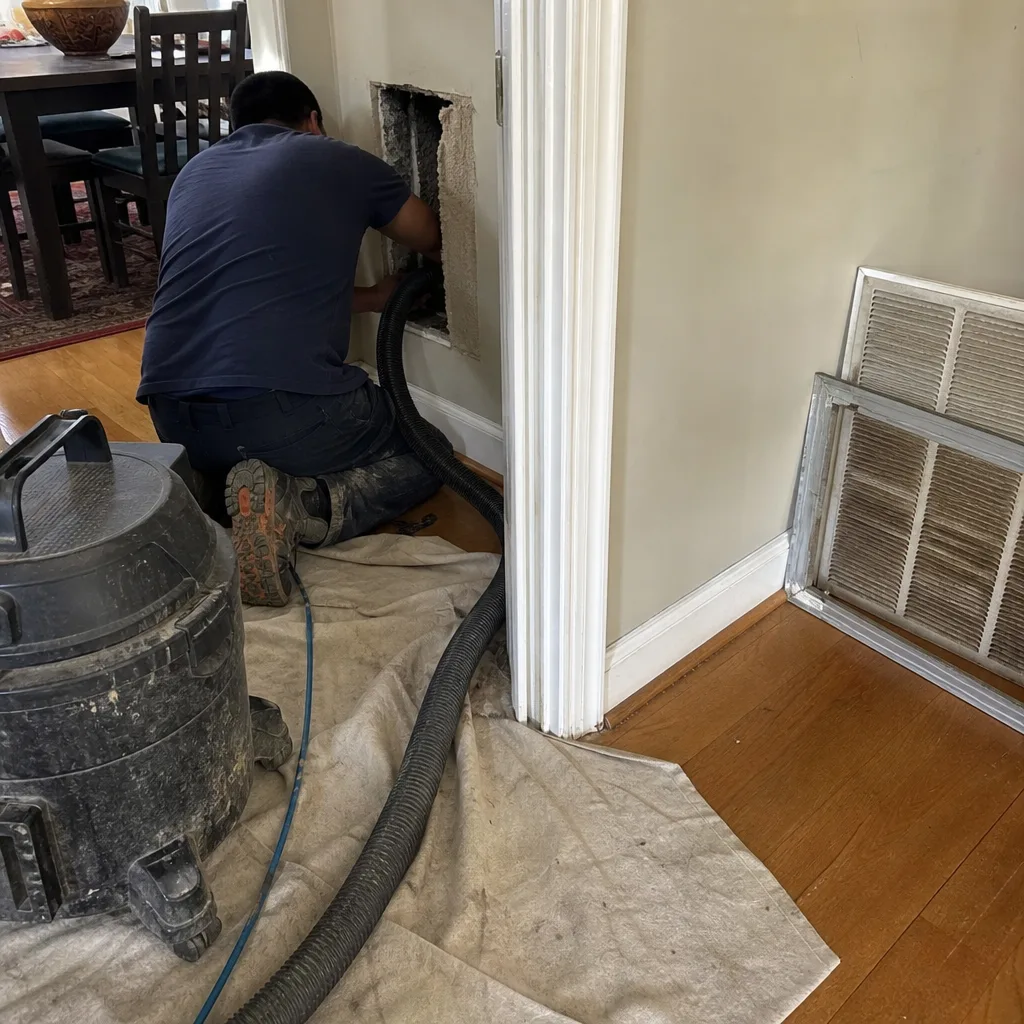
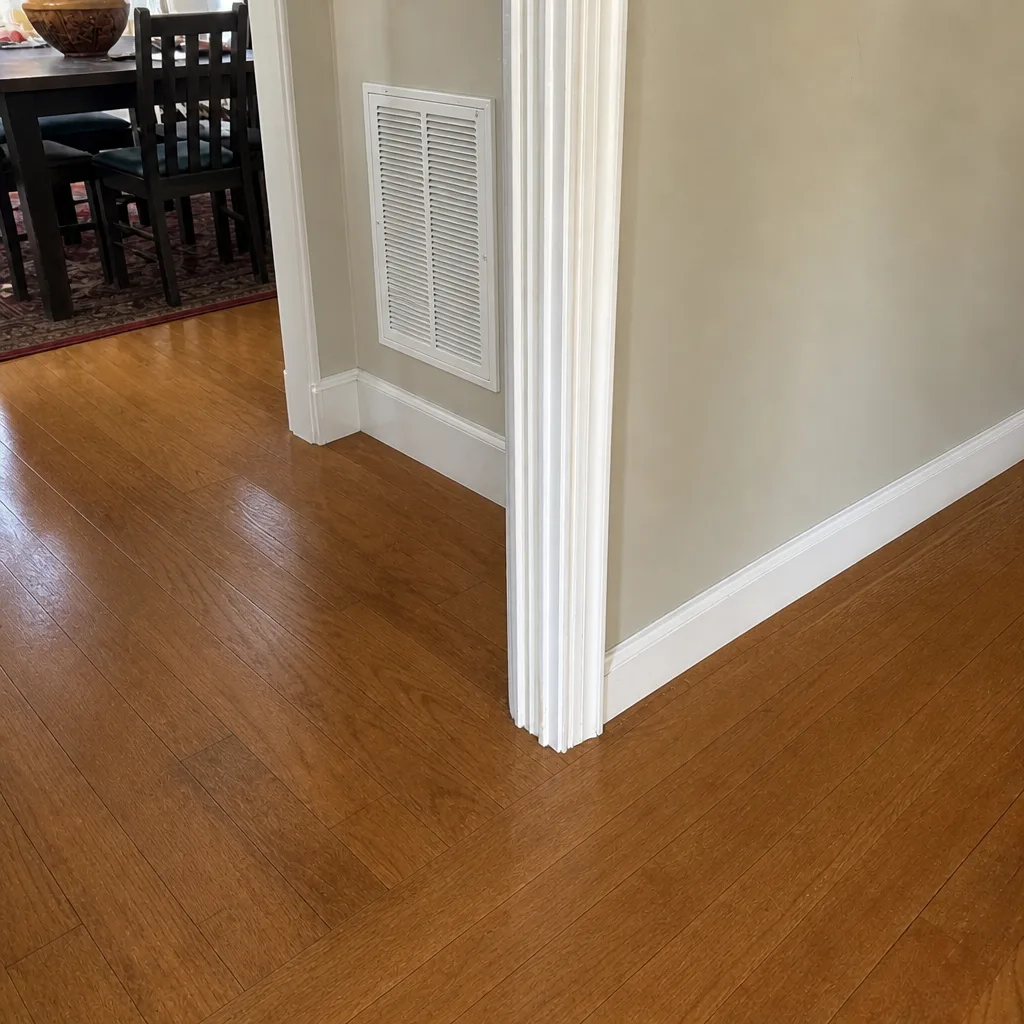
Whole-system duct and dryer vent check with before-and-after photos - you see exactly what came out of your vents
That "$99 whole-house special" is a bait ad - the real number appears once they are in your hallway, or the "clean" is a shop-vac at the register. We photograph the inside of your ducts before and after instead.
Air Duct Cleaning Permits, Codes & Inspections in Arlington, VA: What You Need to Know
Here’s the part most people miss: cleaning your ducts almost never needs a permit, but fixing them often does. The moment a technician cuts into a duct run, reconnects a plenum, seals a joint that was never sealed, or moves where a dryer vent exits the house, that “cleaning” visit has crossed into regulated construction work, and Arlington County cares about that distinction even when nobody on the job mentions it. Homeowners rarely ask, and plenty of contractors don’t volunteer the answer. This guide walks through where the line sits under Virginia’s building code, when Arlington County wants a mechanical permit, how fire code treats your dryer vent, and what to check before you authorize any work beyond a straight cleaning.
Quick Answer
Routine air duct cleaning in Arlington, VA does not require a permit because nothing in the system is being altered. But duct repair that involves cutting, adding, rerouting, or replacing duct runs, and any change to a dryer vent’s termination point, can trigger a mechanical permit under the Virginia Uniform Statewide Building Code, which Arlington County enforces through its building department. The practical rule: ask who is pulling the permit before repair work starts, and get the answer in writing.
Styles & brands we work with
- Whole-home duct cleaning
- Dryer vent cleaning
- Camera inspection
- Sanitizing & deodorizing
Table of Contents
- Cleaning vs. Repair vs. Modification: Where the Line Is
- When Arlington County Requires a Mechanical Permit
- Dryer Vent Work and the Fire Code
- What to Ask a Contractor Before Authorizing Repair Work
- How Unpermitted Duct Work Affects Insurance and Home Sales
- What a Duct and Mechanical Inspection Actually Looks At
- Arlington’s Housing Stock and Why It Matters
Cleaning vs. Repair vs. Modification: Where the Line Is
The Virginia Uniform Statewide Building Code draws a fairly clean line between maintenance and construction, and duct work can fall on either side depending on what physically happens inside the wall or attic. Understanding the difference now saves you a headache later.
Cleaning
Cleaning is the removal of dust, debris, lint, and settled particulates from a duct system that stays exactly as it was built. Nothing is disassembled beyond access covers and registers, nothing is added, nothing is moved. In our experience running air duct cleaning across Arlington, the vast majority of jobs fall entirely in this category and involve no paperwork at all. You’re restoring a system to the condition it was designed for.
Repair
Repair restores a duct component to its original function without changing the design. Re-sealing a joint that has separated, re-taping a boot that came loose from a floor register, re-attaching a flex run that slipped off its collar, and mastic-sealing a plenum seam are all typical repairs. Many of these are minor and fall under ordinary maintenance, but larger repairs, especially anything involving cutting open a rigid duct or replacing a section, can cross into permit territory. The size and scope decide it, not the word “repair” printed on an invoice.
Modification
Modification is where permits live. Adding a new branch duct to serve a finished room, moving a register to a different wall, changing duct size to alter airflow, capping off a run entirely, or rerouting where a dryer vent exits the building are all changes to the system’s design. These are construction activities governed by mechanical code, and Arlington County treats them as such. If a contractor tells you the work is “just cleaning” while sketching a new duct run on the back of a napkin, that’s your cue to slow down.
When Arlington County Requires a Mechanical Permit
Arlington County enforces the Virginia Uniform Statewide Building Code, and the code’s mechanical provisions cover duct systems as part of the air distribution side of HVAC work. Routine cleaning and minor maintenance sit outside the permit requirement. Substantive alterations to the duct system generally don’t.
Specific situations that commonly require a mechanical permit in Arlington include:
- Adding a new duct run to serve a new or previously unserved room, including a basement conversion or a bonus room above a garage.
- Relocating a register or return to a different wall, ceiling, or floor location.
- Replacing a substantial section of rigid duct trunk line, especially where the replacement alters sizing or routing.
- Changing duct size intentionally to rebalance airflow, which is a design change rather than a repair.
- Rerouting a dryer vent to a new exterior termination point, or changing the termination type.
- Extending the system to a new addition, sunroom, or finished attic.
Notice what’s missing from that list. Cleaning is not there. Re-sealing a leaking joint is not there. Replacing a grille is not there. The permit requirement is tied to altering the system, not maintaining it. Our technicians have up to 11 years of experience helping Arlington homeowners sort out which side of that line their situation sits on, and it’s often less obvious than it looks until you’re actually inside the duct.
How to Check With Arlington County
- Locate the Arlington County building department contact information through the county’s main permitting portal.
- Describe the work in plain terms: what’s being added, removed, or moved, and where.
- Ask specifically whether a mechanical permit is required, and get the answer in writing if you can.
- If a permit is needed, confirm who is pulling it: you as the homeowner, or the contractor performing the work.
- Ask what inspections will follow, and who schedules them.
Dryer Vent Work and the Fire Code
Dryer vents get their own set of rules because lint is a fire fuel, and dryer vent fires are a nationally recognized hazard. The International Mechanical Code sets the baseline that Virginia’s statewide code adopts, and it governs things like vent material, length, termination, and how lint traps are managed. The details matter to your safety far more than to your inspection file.
A code-compliant dryer vent installation generally has these features:
- Rigid or semi-rigid metal duct, not the white vinyl flex that used to be common. Vinyl traps lint and melts in a fire.
- A smooth interior with as few elbows as possible. Every bend slows airflow and collects lint.
- Termination to the outdoors, not into an attic, crawlspace, or garage. Venting into an enclosed space pushes moisture and lint into the building.
- A short, direct run to the outside. The code limits total developed length, and elbows count against it.
- A backdraft damper at the exterior termination to keep air and pests out.
Rerouting a dryer vent is a mechanical permit item in Arlington in most cases because it changes the building’s exhaust path. Cleaning a dryer vent is not. If a technician’s work is limited to clearing lint from the existing run with proper equipment like the Nikro HEPA-rated systems we use to contain what comes out, no permit applies. The moment the conversation shifts to “we should move this vent,” the paperwork conversation should start. That service is a genuine fire-safety function, not a bell or whistle, and treating the code seriously is part of taking it seriously.
What to Ask a Contractor Before Authorizing Repair Work
The single most useful thing you can do during any duct appointment is ask who is responsible for permits before anyone starts cutting. Most homeowners don’t, and the contractor usually doesn’t bring it up. That moment of hesitation costs you nothing and can save a lot.
Here’s what to ask in order:
- “Is this cleaning, repair, or modification?” Get the contractor to name it. Written estimates force the clarity.
- “Does this work require a mechanical permit in Arlington County?” If the answer is “probably not,” ask them to explain why not.
- “Who pulls the permit if one is needed?” Homeowners can pull permits in Arlington for their own property, but contractor-pulled permits carry more accountability.
- “What inspections will follow, and when?” A permit without a scheduled inspection is just paperwork.
- “Will this show up in a home sale’s disclosure?” If the answer is yes, it’s a modification, and that tells you the scale.
- “Can you show me photos before and after?” A verifiable contractor documents the work. We photograph before-and-after conditions on every job for exactly this reason.
You’re not doing this to catch anyone. You’re doing it because duct work hides inside walls and attics, and the only way to know what happened is to ask. One flat price per system, agreed in writing before work starts, plus before-and-after photos of your own ducts, are the two things that most reliably separate a professional process from a bait-and-switch one. If the quote is structured per-vent or built on a teaser coupon, ask for a whole-system price instead.
How Unpermitted Duct Work Affects Insurance and Home Sales
Unpermitted duct modifications tend to surface at the worst possible moments, and both moments are expensive: when you file an insurance claim, or when a buyer’s inspector walks the house during a sale.
Insurance Claims
Homeowner policies generally cover sudden and accidental damage but not work that was done improperly or without required permits. If a duct modification contributed to a moisture problem in an attic, a fire from an improperly rerouted dryer vent, or a heating failure traced to an unpermitted alteration, an adjuster is entitled to ask whether the work was permitted. If it wasn’t, coverage can be reduced or denied. The homeowner almost always discovers this after a loss, which is a hard way to learn.
Home Sales
Buyers in Arlington routinely hire inspectors who look at duct systems, dryer vent terminations, and mechanical systems. A duct run that terminates oddly, a dryer vent that exits into an attic, or a supply branch that shows clear signs of hasty modification all raise questions. If the modification wasn’t permitted, the seller faces a choice between opening a permit retroactively, removing the work, or disclosing it and negotiating. Any of these costs more than pulling the permit in the first place.
Disclosure
Virginia’s residential property disclosure rules require sellers to disclose known material defects, and improper mechanical work can qualify. This isn’t meant to alarm you. It’s a reminder that permits, when required, are cheaper than repair and far cheaper than a renegotiation.
What a Duct and Mechanical Inspection Actually Looks At
If duct-related work does get permitted, the inspection that follows isn’t just a symbol. County inspectors look at whether the system as built matches the system as drawn and whether it complies with mechanical code. Here’s what the typical inspection focuses on:
- Duct sizing and airflow design. Are the added or altered runs sized to serve the space without starving other parts of the system?
- Connections and sealing. Are joints sealed with mastic or approved tape, or just draped with the wrong material?
- Duct material. Is the duct rated for the application, and is foil-scrim or flex used appropriately?
- Support and routing. Is the duct sagging, crushed by stored items in the attic, or run through a space it shouldn’t be?
- Duct termination. Where does the run end, and does the termination meet code?
- Dryer vent compliance. Material, length, elbows, and termination all get a look if dryer vent work is part of the permit.
- Access. Can someone actually reach the components to service them? A duct run that’s permanently enclosed with no access panel is a maintenance problem waiting to happen.
The inspection is a structure check, not a cleaning inspection. Cleaning itself has no inspection process in Arlington, which is exactly why the choice of contractor matters so much on a straight cleaning job. The work is largely invisible after it’s finished, and the only verification you’ll get is what the contractor photographs and documents. That’s why we use Rotobrush contact cleaning and Nikro HEPA-rated containment even on routine work: they produce a verifiable result and protect your home from cross-contamination while the job is underway. If you’ve just moved into a North Arlington or Ballston-area home with an older HVAC system, a documented cleaning gives you a baseline for years to come.
Arlington’s Housing Stock and Why It Matters
Arlington is a dense, built-up county with a housing stock that spans several distinct eras. That variety matters because duct systems and code concerns vary significantly depending on when and how the home was built.
Older Homes
Homes in neighborhoods like Lyon Village, Ashton Heights, and Arlington Heights were often built before central air was common. Those systems were retrofitted later, sometimes with flex runs fished through existing wall cavities and attics that weren’t designed for them. Retrofit duct work is the most common place unpermitted modifications hide, because the original modifications happened decades ago and no one alive remembers who did them. When we’re cleaning those systems today, we’re also quietly documenting what’s been modified, and that documentation is useful to any homeowner facing a future sale or insurance question.
Mid-Century and Contemporary Builds
Ballston, Clarendon, and Virginia Square are full of mid-century homes and newer condos with updated mechanical systems. These tend to have better documentation and cleaner retrofits, but they also have more complex systems with zoning, filtration, and IAQ components. Filtration equipment from brands we work with and around, including Honeywell, Aprilaire, and Abatement Technologies, behaves differently inside a duct system, and code-compliant installation matters more on a complex system than a simple one.
Humidity and Attic Heat
Northern Virginia’s humid summers and cold winters put mechanical systems under real stress. Duct work that was sealed poorly in a retrofit will leak warm attic air in summer and cold dry air in winter, and condensation inside an unsealed run is a slow problem that turns into a visible one. Attic systems in particular run through the hottest part of the house in July and the coldest in January, and insulation failures there get noticed. That’s our climate, and it’s a good reason to check your duct sealing and insulation rather than just dust levels.
Common Mistakes to Avoid
- Assuming every “cleaning” visit is only cleaning. A technician who patches a disconnected duct section or seals a plenum during what was sold as a cleaning may be doing permit-worthy work. Ask what’s included before work starts.
- Treating “repair” as a single category. Re-sealing a joint and adding a new duct run are both called “repair” by some contractors, but only one likely needs a mechanical permit in Arlington. Get the scope specific.
- Rerouting a dryer vent without checking. Moving a dryer vent termination is a code item, and it’s the sort of thing that should get a permit and an inspection, not a Saturday afternoon of flex duct and hope.
- Skipping the photo documentation. Duct work hides inside walls, and photos before and after are the most reliable record you have. If a contractor won’t photograph the work, ask why.
- Ignoring the home sale angle until it’s a problem. Unpermitted duct work discovered during a buyer’s inspection can derail a closing or force a price reduction. Keeping records now avoids that scene.
- Accepting per-vent pricing or a teaser coupon. Per-vent pricing rewards the contractor for speed rather than thoroughness, and bait-and-switch starting prices are the most common complaint in this trade. Ask for one flat price for the whole system.
- Forgetting that a dryer vent reroute needs a permit. This is the single most overlooked code item in the entire category. If the vent is moving, ask about the permit.
See the difference
 Before
 After
 Before
 After
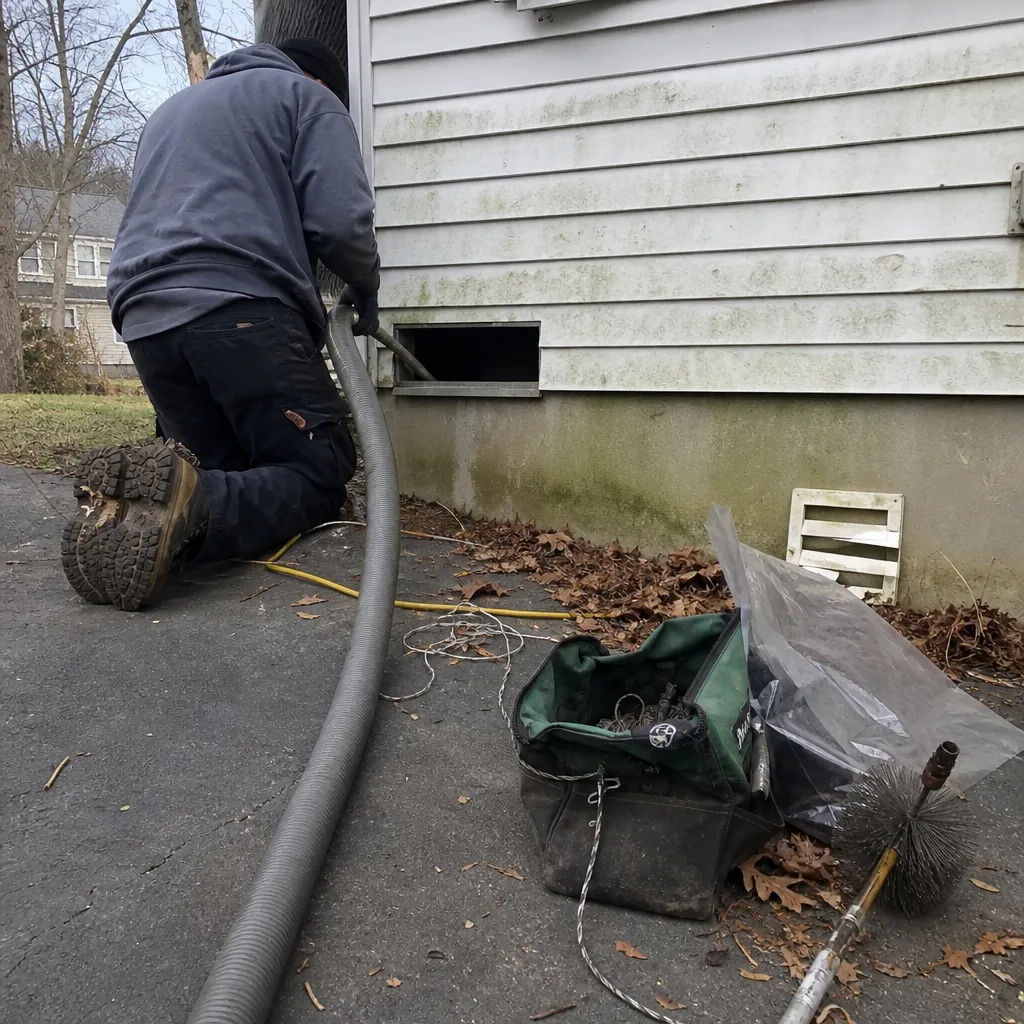 Before
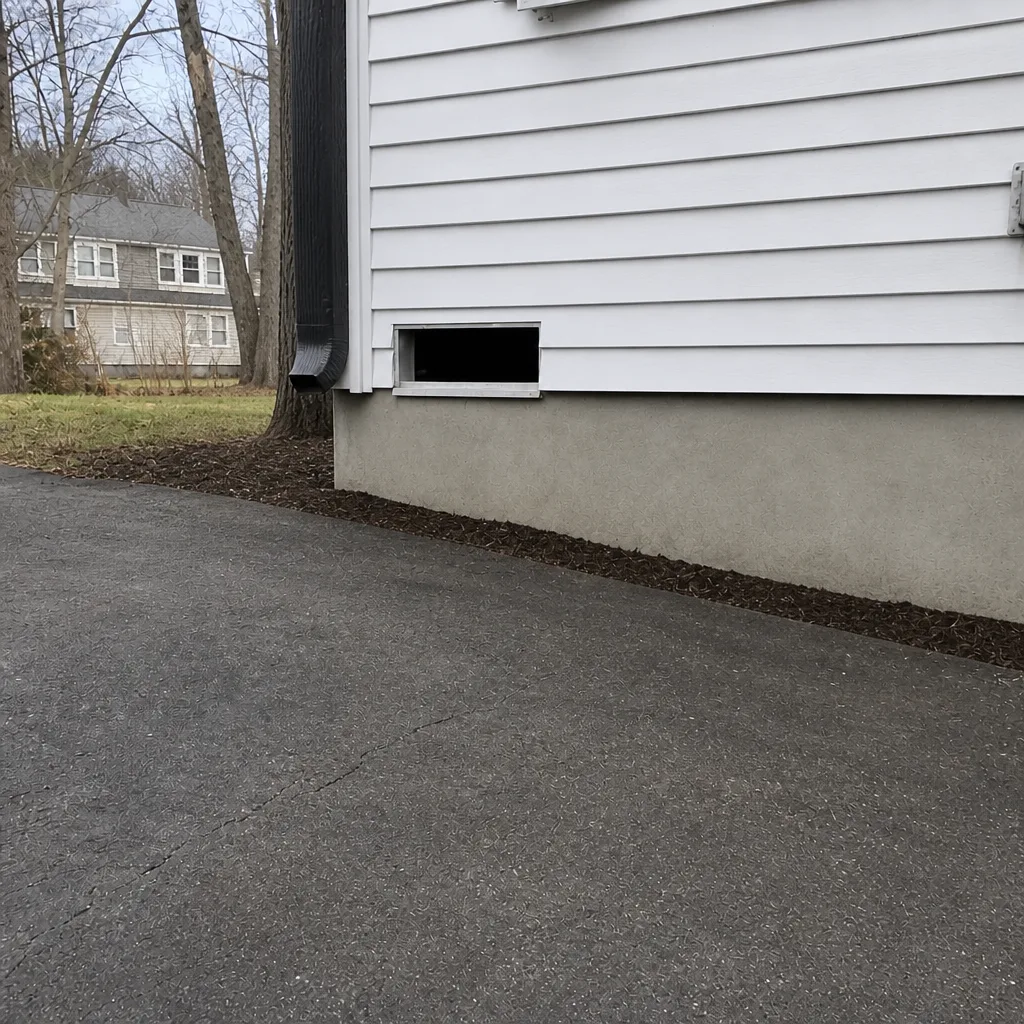 After
When to Call a Professional
Some questions can be sorted out over the phone, and some genuinely need a technician in the house. Call a professional when you’re seeing visible debris blowing from supply registers, when your dryer takes noticeably longer to dry clothes than it used to, when a duct visibly separates or sags in an attic or basement, or when a previous owner’s documentation is missing and you want a professional baseline. If you’re planning to sell, or if you’ve just bought, an inspection with photo documentation has real value. If you’re considering any repair beyond cleaning, the question of who pulls an Arlington mechanical permit belongs in that same conversation. Juniper Air Duct Cleaning offers free estimates in Arlington: call (844) 932-0326. We answer 24/7. Fast dispatch from 7am to 7pm, Sunday through Friday.
Frequently Asked Questions
No, routine air duct cleaning in Arlington does not require a permit because nothing in the system’s design is being changed. Cleaning removes dust and debris from the existing system, which is maintenance under the Virginia Uniform Statewide Building Code, not construction. If the work moves into repair, modification, or rerouting, that changes the answer. Call (844) 932-0326 for a free estimate and a clear scope of what’s involved.
Duct work generally needs a mechanical permit when it alters the system’s design: adding a new run, relocating a register, changing duct size intentionally, replacing a substantial section of trunk line, extending the system to a new room, or rerouting a dryer vent. Minor repairs like re-sealing a separated joint typically fall outside permit requirements. When in doubt, ask Arlington County’s building department directly, and ask your contractor which category they’re proposing.
Yes, moving where a dryer vent terminates, or changing the termination type, is generally a mechanical permit item because it alters the building’s exhaust path under the International Mechanical Code as adopted in Virginia. Cleaning an existing dryer vent does not require a permit. The distinction matters for safety because improperly rerouted vents are a recognized fire risk. If you’re unsure which category your situation falls into, call us at (844) 932-0326 for a free walkthrough.
Whole-system air duct cleaning in Arlington is priced per system, not per vent, and the final number is set by a written estimate after we’ve seen the system. Estimates are free, and that’s the point: any flat quote given before seeing the house is likely a teaser price that gets revised once the technician is on site. Ask for one flat price for the whole system, agreed before work begins. Call (844) 932-0326 for an exact quote.
Very low starting prices usually reflect a per-vent model with a teaser coupon, an equipment setup not rated for real containment, or a scope that quietly excludes the parts of the system that are hardest to reach. A professional-grade cleaning uses contact-cleaning equipment and HEPA-rated containment, which costs more to run and takes longer. The written estimate should cover the whole system. Call (844) 932-0326 and we’ll walk you through exactly what’s included.
Ask for before-and-after photos of your own ducts, not stock images, and ask what equipment and containment were used. A contractor using Rotobrush contact cleaning and Nikro HEPA-rated systems can show you the photographic evidence of what the system looked like before and after, and that’s the most reliable verification you’ll get. Duct work disappears once it’s sealed back up. To schedule with a documented process, call (844) 932-0326.
Most homes do fine with cleaning every few years, and some homes need it more often. If you have pets, allergies, recent renovation dust, or a home with a decades-old retrofit system that hasn’t been touched, a shorter interval often makes sense. A visual inspection with photos will tell you more than any generic timetable. Call (844) 932-0326 for a free estimate and an honest read on your system.
It can, because home inspectors in Arlington routinely look at duct systems and dryer vent terminations, and unpermitted modifications tend to stand out. Sellers must also disclose known material defects under Virginia’s disclosure rules, and an unpermitted duct alteration can qualify. If you’re planning to sell, having documentation of past work is worth the effort. Call (844) 932-0326 for a documentation-focused inspection.
The Bottom Line
Cleaning and permits are different conversations, and the whole point of this guide is helping you tell them apart. Routine duct cleaning in Arlington doesn’t need a permit, and no inspection process follows it. Duct repair that changes the system, or any rerouting of a dryer vent, can require a mechanical permit under the Virginia Uniform Statewide Building Code, and Arlington County enforces it. Ask your contractor which category the work falls in before anyone starts cutting, get the answer in writing, and keep before-and-after photos of your own system. If you’d like a professional walkthrough of what your ducts actually need, call Juniper Air Duct Cleaning at (844) 932-0326 for a free estimate. We answer 24/7. Fast dispatch from 7am to 7pm, Sunday through Friday. You can also learn more about dryer vent cleaning and the rest of our Arlington service area, or read more about Juniper Air Duct Cleaning and how we approach this work.
Written by the team at Juniper Air Duct Cleaning.