
Last updated November 15, 2026
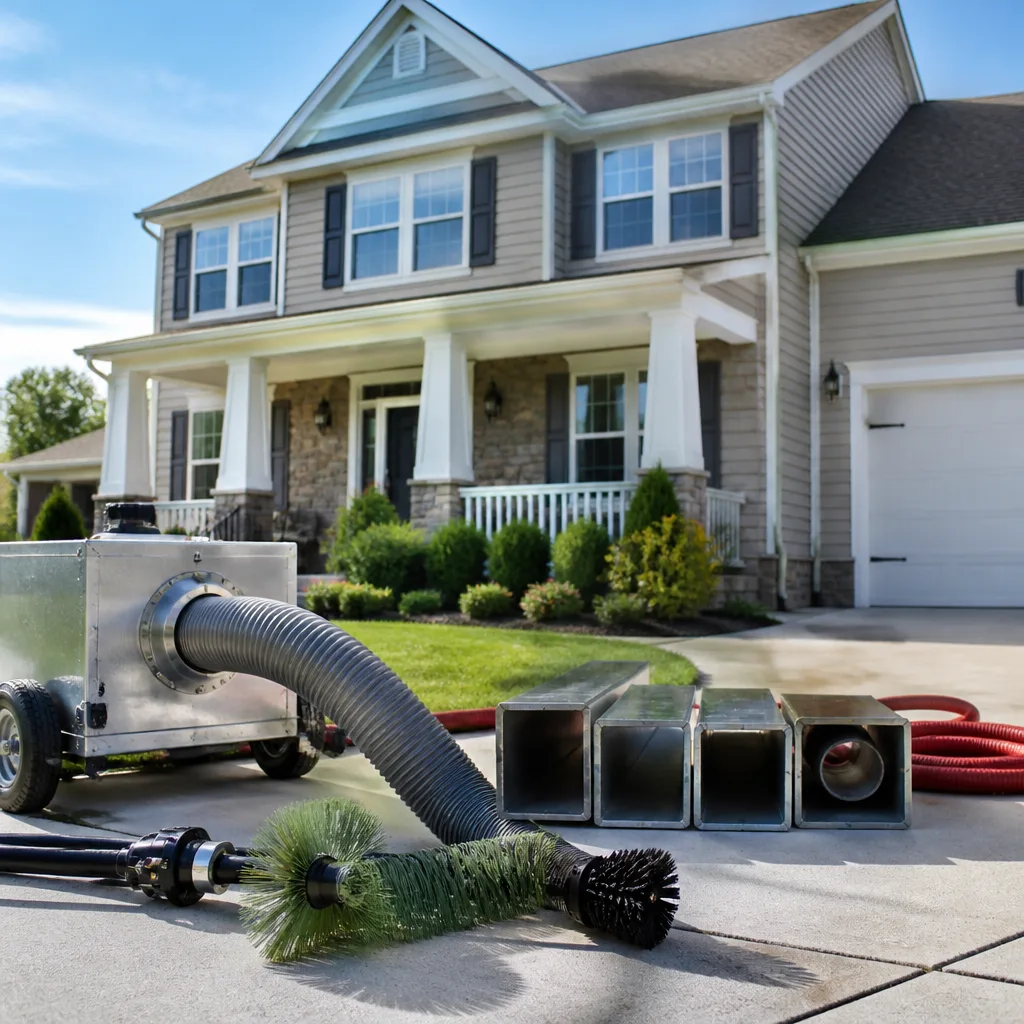 Whole-home duct cleaning
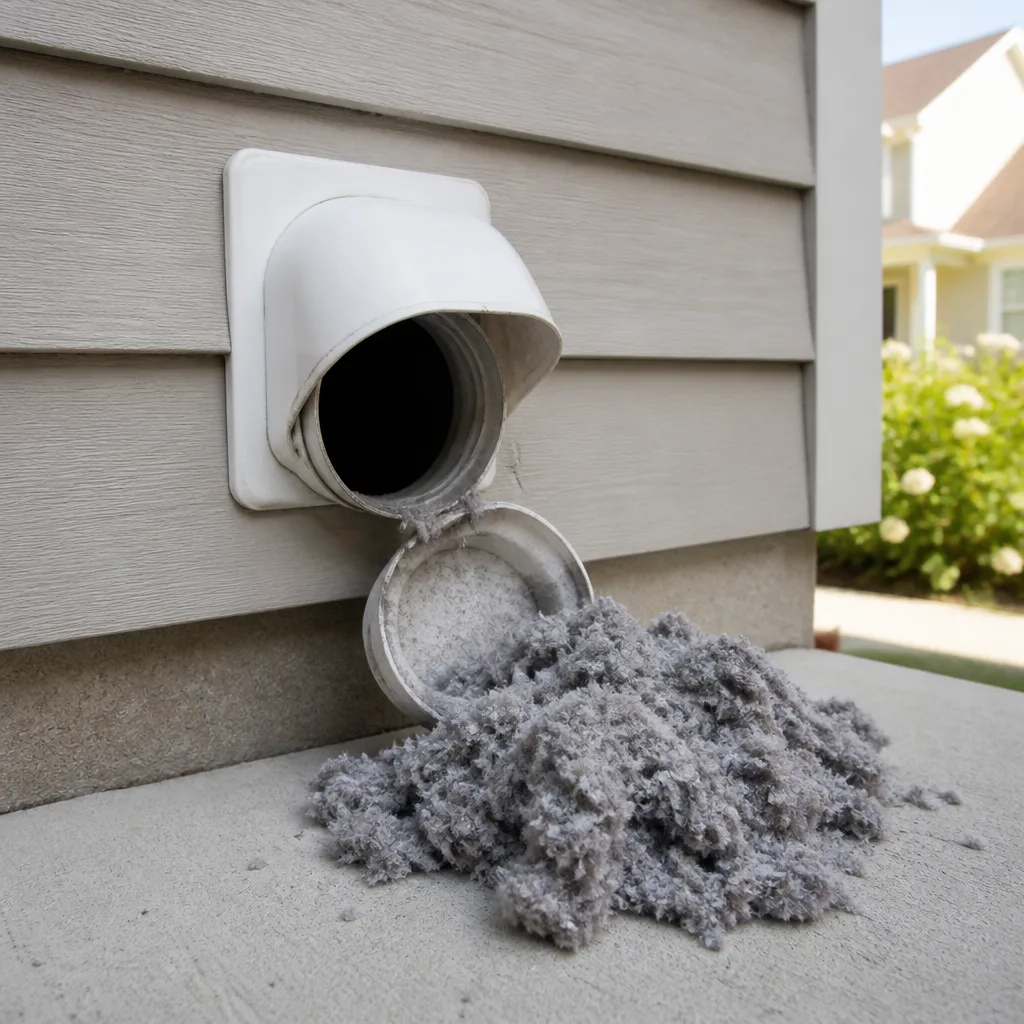 Dryer vent cleaning
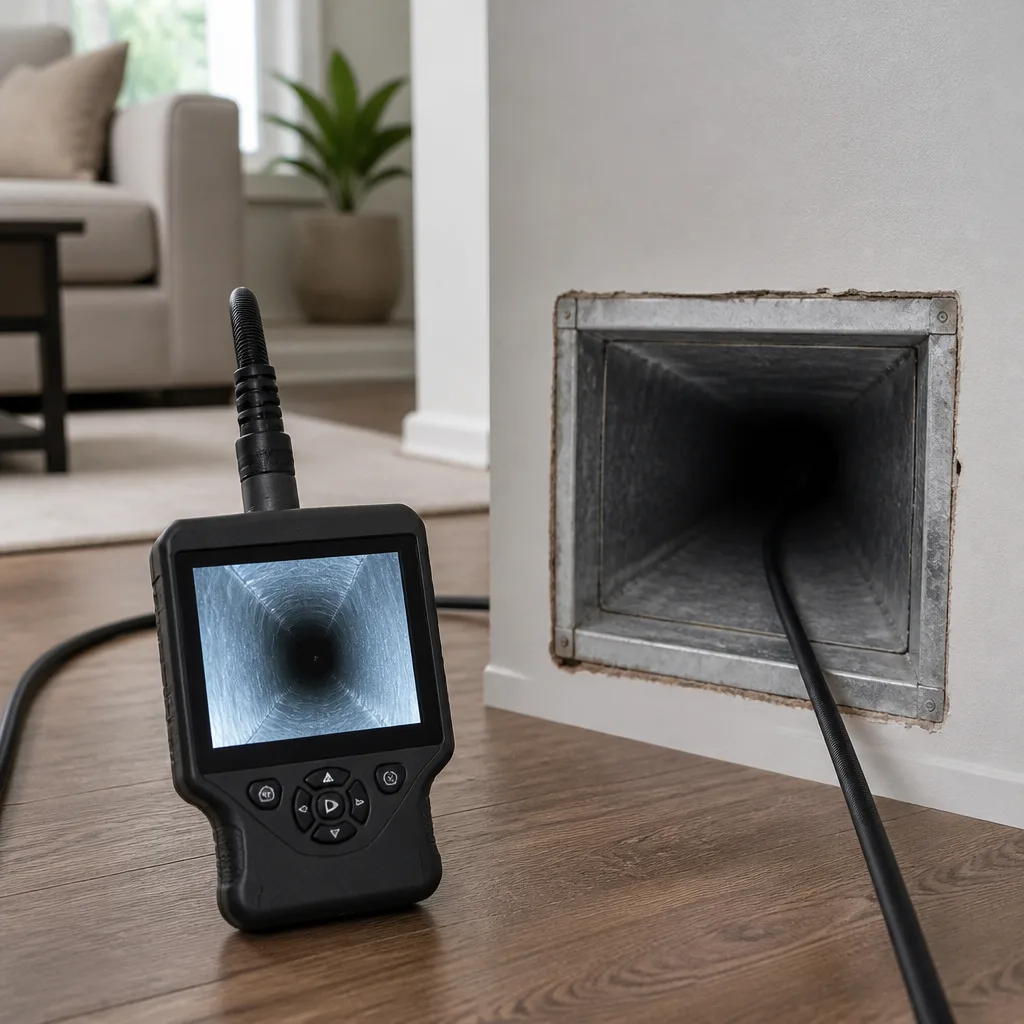 Camera inspection
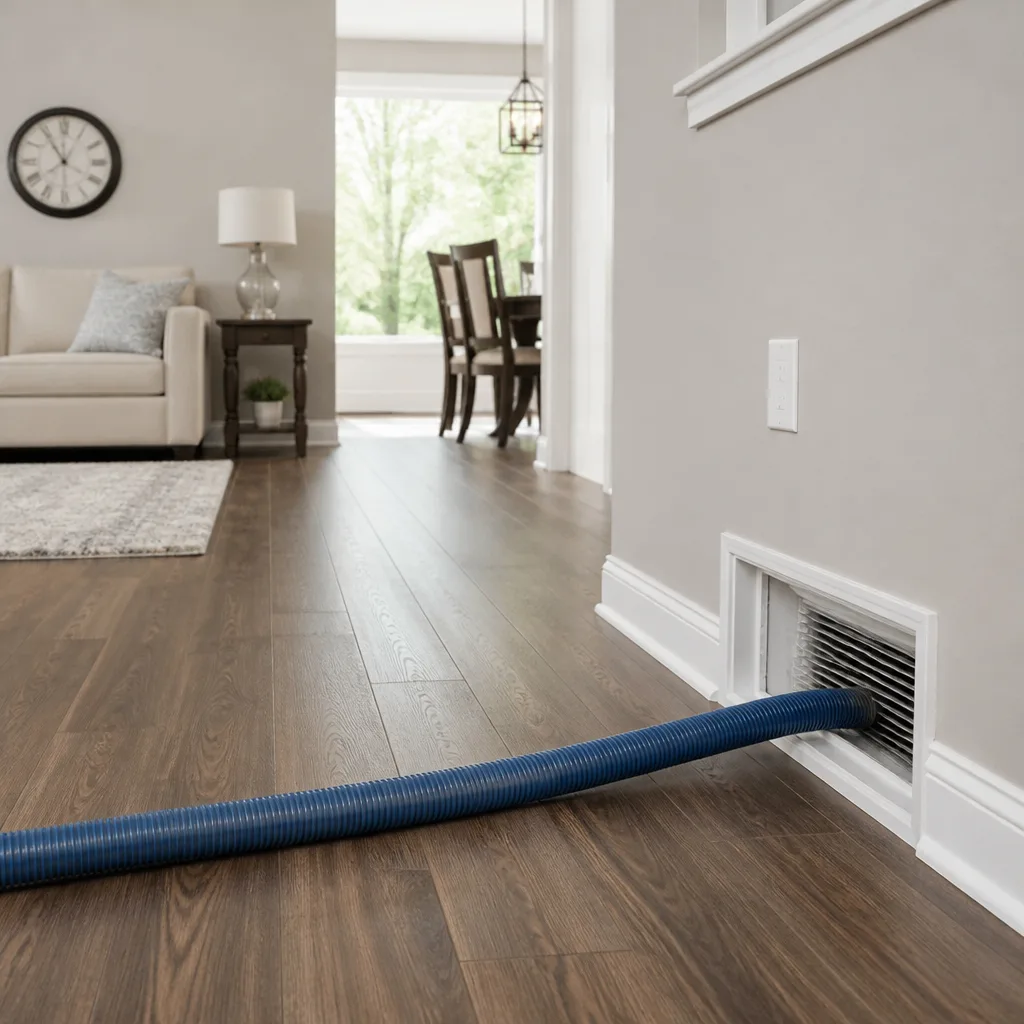 Sanitizing & deodorizing
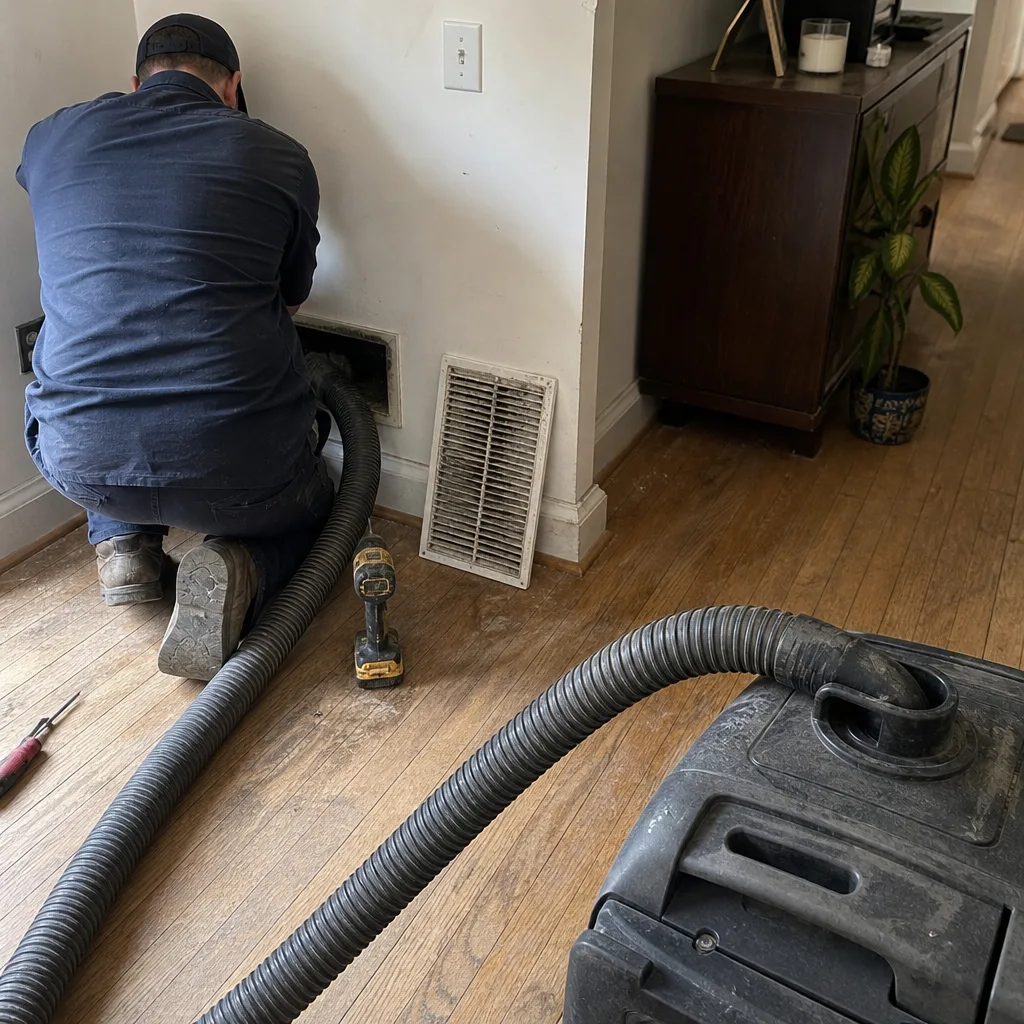
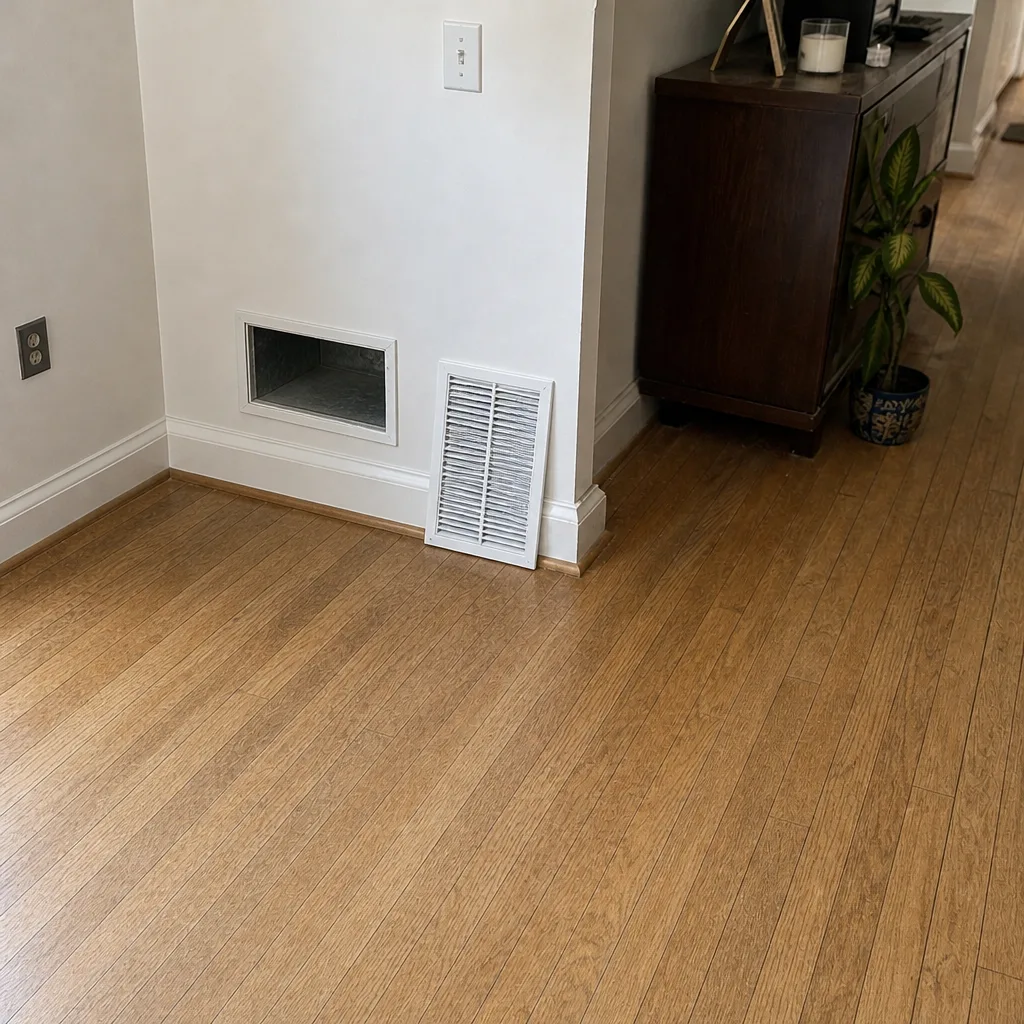
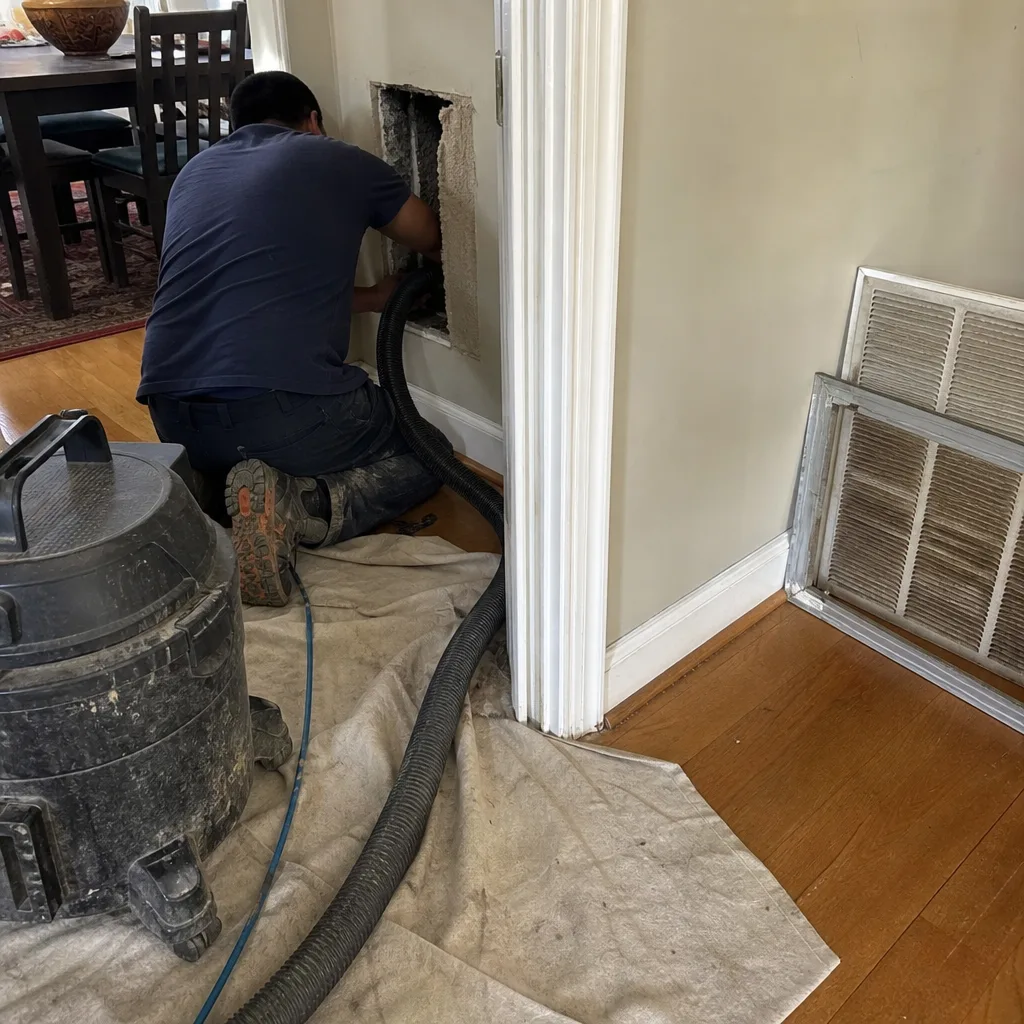
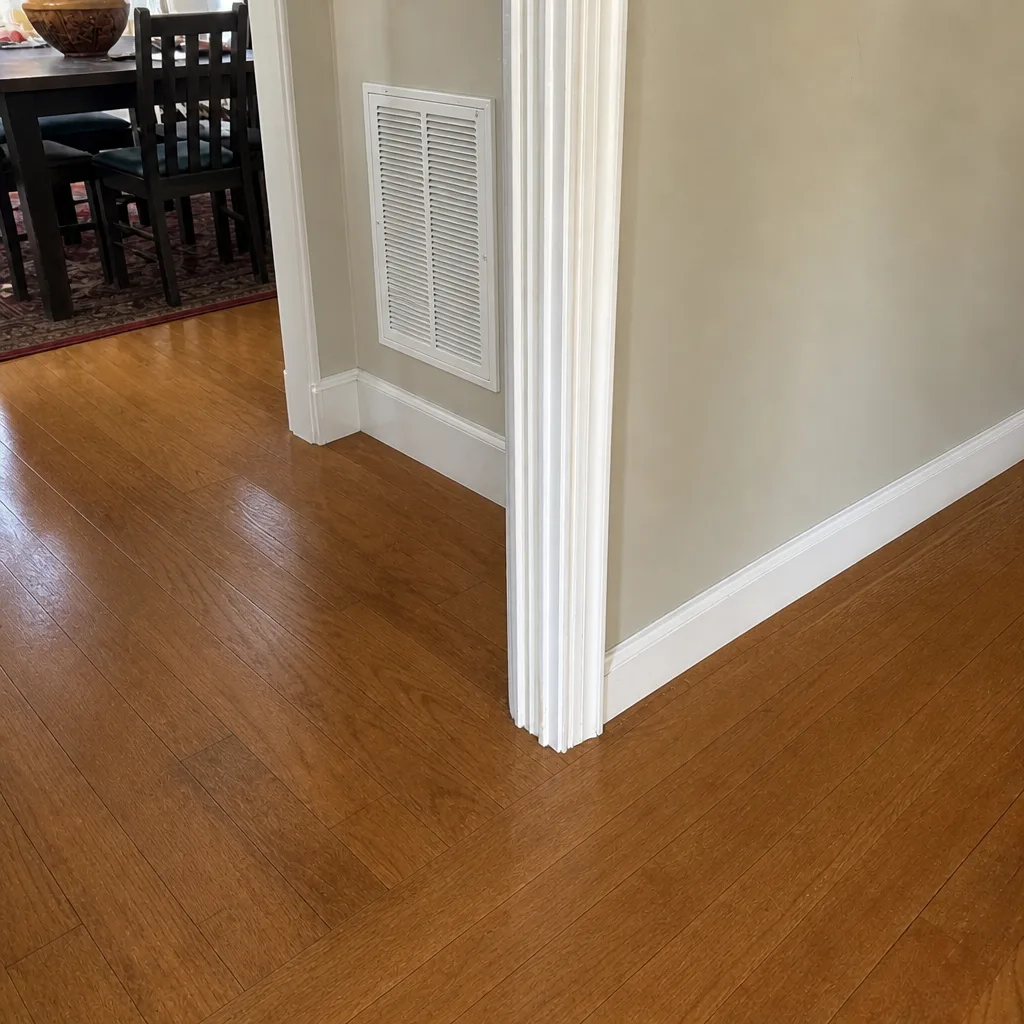
Whole-system duct and dryer vent check with before-and-after photos - you see exactly what came out of your vents
That "$99 whole-house special" is a bait ad - the real number appears once they are in your hallway, or the "clean" is a shop-vac at the register. We photograph the inside of your ducts before and after instead.
Air Duct Cleaning Troubleshooting in Arlington: Common Problems and How to Fix Them
If your vents smell musty only when the AC kicks on but not during heating season, that’s probably not a dirty duct problem. It’s more often a drain pan or evaporator coil issue, and no amount of duct cleaning will fix it. That distinction matters in Arlington, where a lot of homes are old enough to have ductwork that’s been patched, extended, and rerouted more than once. Homeowners often book a cleaning hoping it solves a symptom that actually points to a repair. This guide walks you through the most common duct problems we see in Arlington, maps each symptom to its likely cause, and tells you honestly which ones a homeowner can check with a flashlight and which ones need a trained technician.
Quick Answer
Most duct problems in Arlington aren’t caused by dirt alone. The typical culprits are disconnected or crushed ducts, condensation on metal duct runs in older slab-foundation homes, and filter systems that were never matched to the equipment. A cleaning fixes dust and debris; a repair fixes airflow and air quality issues rooted in the ductwork itself. Diagnosis first, service second.
Styles & brands we work with
- Whole-home duct cleaning
- Dryer vent cleaning
- Camera inspection
- Sanitizing & deodorizing
Table of Contents
- Symptom-to-Cause Matrix: Start Here
- Why Uneven Room Temperatures Are Rarely a Debris Problem
- Cleaning Problem vs. Repair Problem: How to Tell
- Arlington’s Clay Soil and Slab Foundations: The Duct Problem Nobody Warns You About
- Odor Troubleshooting: Musty, Chemical, and Pet Smells Have Different Fixes
- Dust After Cleaning: What It Means and What to Check
- When to Self-Diagnose and When to Call a Technician
- Dryer Vent Problems: The Safety Issue That Gets Mistaken for a Duct Cleaning Job
Symptom-to-Cause Matrix: Start Here
Before you book anything, figure out what the symptom actually points to. We’ve seen homeowners pay for a full duct cleaning when what they needed was a $250 damper adjustment or a section of flex duct reconnected. The chart below maps the most common complaints in Arlington homes to their likely root cause and the right next step.
- Musty smell only when the AC runs: Evaporator coil or drain pan moisture, not the ducts. A technician should inspect the coil first.
- Musty smell year-round, strongest in one room: Moisture in the duct run serving that room, or a disconnected run pulling air from a crawlspace.
- Weak airflow in upstairs rooms: Duct leakage, a closed or broken damper, or an undersized return. Rarely debris.
- Visible dust on registers within a week of cleaning: Airborne dust from a source the duct cleaning didn’t address, usually a leaking filter frame or a disconnected return.
- Rattling or humming when the system runs: Loose flex duct, a damper flap vibrating, or a register panel not seated.
- Hot air blowing from one vent when the AC is on: Disconnected duct in an attic or crawlspace pulling in outside air.
- Burning smell when heat comes on: Dust on the heat exchanger burning off, or a deeper issue. Shut the system off and call a technician.
- Dust puffs from one register at startup: Loose debris inside that run, often debris trapped at a flex duct sag.
This matrix is where most troubleshooting should begin. Symptom first, service second. If you’re already sure you want a professional assessment, an air duct cleaning appointment includes an initial inspection in most cases, and a good technician will tell you if the cleaning isn’t the right job for your symptom. If the problem turns out to be a mechanical issue like a crushed duct or disconnected joint, that’s a repair, and cleaning alone will not resolve it.
Why We Lead With the Matrix
In our experience, about a third of the calls we get in Arlington every summer describe a musty smell that has nothing to do with duct dirt. Diagnosing the symptom first saves the homeowner money and gets them to the right service faster. It also means the technician isn’t surprised on-site when the duct cleaning is done and the smell remains.
Why Uneven Room Temperatures Are Rarely a Debris Problem
If the upstairs bedroom is always five degrees warmer than the living room, duct debris is almost never the cause. Uneven airflow across rooms is a duct system design, leakage, or balance problem. Duct cleaning won’t change the volume of air reaching a room, and it won’t reseal a leak or reopen a damper. The fix lives in the ductwork itself, not in how clean it is.
Here’s what a technician checks first when a homeowner reports uneven temperatures:
- Static pressure at the air handler to see if the system is moving the volume of air it was designed for.
- Duct leakage at each joint, especially in unconditioned spaces like attics and crawlspaces where flex duct runs are common in Arlington.
- Damper positions at the plenum and at branch takeoffs, to confirm each zone is actually open as intended.
- Return air pathways, since an undersized or blocked return can starve the whole system and make upstairs rooms worse.
- Insulation integrity on ducts running through hot attics, because an uninsulated run loses cold air before it ever reaches the register.
In older Arlington homes, we often find that a past renovation moved or extended a duct run without recalculating the airflow. A room that was a closet in 1985 became a home office, and the duct serving it was tapped off a run that was never sized for the additional load. No amount of cleaning fixes that. It’s a duct design and repair question.
How to Tell It’s a Damper Issue
If the uneven temperature is consistent season to season and concentrated in one or two rooms, a closed or broken damper is a strong candidate. If the uneven temperature is worse on hot afternoons and better at night, duct insulation or attic heat gain is more likely. If it varies with which rooms are occupied, it’s often a return-side problem. A technician can usually tell which of these is at play within fifteen minutes by checking pressures and walking the runs.
Cleaning Problem vs. Repair Problem: How to Tell
This is the single most useful distinction in duct troubleshooting. A cleaning problem is one where the ductwork is intact but contains accumulated dust, debris, or lint. A repair problem is one where the ductwork is damaged, disconnected, or collapsed. A cleaning pass with a shop-vac won’t fix a repair problem, and a full professional cleaning won’t either. The homeowner needs a different service.
- Cleaning problem signals: visible dust in the ducts when you look past the register, a musty smell that comes from inside the duct when you put your nose to an open register with the system off, lint or debris visible at the return grille, or a recent renovation that generated dust.
- Repair problem signals: a room that never gets airflow, a register that blows air at a very different temperature than the others, visible dents, kinks, or sags in flex duct when you can see it, duct tape peeling away at a joint, or a run that’s no longer attached to the register boot.
In our experience across Arlington, crushed flex duct is the most common repair problem and the most commonly misdiagnosed as a cleaning problem. Flex duct that gets kinked during installation, or that sags against a joist in an attic, can lose fifty percent or more of its airflow. A homeowner notices weak airflow in one room and assumes the ducts are dirty. Cleaning runs, the dirt comes out, and the airflow is still weak because the duct is still crushed. That’s a repair. And it’s a different scope of work.
The good news is that repair and cleaning are often done in the same visit. A technician diagnosing a cleaning call who spots a crushed run can estimate the repair before starting, agree a scope with the homeowner, and complete both jobs without booking a second appointment. One flat price per system is set in writing before any work begins.
What Repair Covers
Duct repair covers reconnecting disconnected joints, replacing crushed or collapsed flex duct sections, resealing leaking joints with mastic rather than tape, and rehanging sagging runs so they aren’t pinched against framing. It doesn’t cover replacing the air handler, the coil, or any HVAC equipment. It’s a ductwork service, and it’s separate from anything an HVAC contractor does.
Arlington’s Clay Soil and Slab Foundations: The Duct Problem Nobody Warns You About
Arlington’s clay-heavy soil holds water longer than sandy or loam soil. That matters for ductwork in homes with slab foundations and, specifically, for the metal duct runs that sit just above or within the slab. When summer humidity is high, as it often is in Northern Virginia from June through September, the cool metal duct surfaces can condense moisture. In most homes, the moisture evaporates back into the conditioned air. In older homes with compromised vapor barriers or duct insulation that’s fallen away, the moisture pools, sits, and eventually grows biological growth inside the duct run.
What this looks like from the homeowner’s side:
- A musty or earthy smell coming from floor registers in the affected room, strongest in July and August.
- Condensation or water staining at the register boot or on the floor near the register.
- Visible dark spotting inside the duct when the register is removed and a flashlight is aimed down the run.
- A smell that’s worse after a stretch of rainy weather and better after a dry week.
This pattern is rarely a simple dirt cleaning problem. It’s a moisture problem that started as a condensation problem, and the fix usually involves drying and treating the affected section of ductwork, not just brushing and vacuuming it. In our experience, homes in the older neighborhoods of Arlington built through the mid twentieth century are the most likely to show this pattern, especially where the original ductwork is still in place and the vapor barrier under the slab has aged.
If you notice condensation at a floor register, don’t schedule a cleaning first. Schedule an inspection that includes a moisture check at the run in question. A cleaning without addressing the moisture source removes the visible growth and then the growth returns, which is why we lead with moisture on floor-register complaints in Arlington.
Newer Arlington Builds
Newer construction in Arlington, and most of what’s been built in the last twenty years, uses flex duct in attics or conditioned chases rather than metal runs in slab. The condensation pattern is less common there, but flex duct in a hot attic has its own failure modes: sagging runs, kinked turns, and degraded insulation that allow heat gain and, occasionally, condensation on the outer jacket. Same principle, different location.
Odor Troubleshooting: Musty, Chemical, and Pet Smells Have Different Fixes
Not all duct odors are the same. A musty smell, a chemical smell, and a pet smell point to three different root causes, and treating them all as a “dirty duct” issue wastes money. Below is how we diagnose each one.
Musty Smell
A musty smell almost always points to moisture. When it’s strongest only when the AC runs, the moisture source is usually in the air handler area, specifically the evaporator coil, the drain pan, or the drain line. When it’s strongest in one or two rooms year-round, the moisture source is usually in the duct run serving those rooms. Cleaning the ducts removes surface growth, but if the moisture source is still there, the smell returns in weeks. The fix is to find and address the moisture, then clean.
Chemical Smell
A chemical or new-plastic smell from the vents is almost never a duct cleaning problem. Common causes include off-gassing from new carpet or paint drawn into the return, a refrigerant leak at the evaporator coil, or adhesive used in a recent duct repair curing. If the smell started after a renovation, it’s usually the first. If it’s accompanied by reduced cooling, it’s the second, and the system should be shut off until a technician confirms. Duct cleaning does not address a refrigerant leak.
Pet Smell
Pet odor in ducts is real and it’s usually concentrated at the return grille and the first few feet of the return run. It comes from dander and oils that accumulate on duct surfaces. A professional cleaning with a contact-cleaning system like Rotobrush, combined with HEPA-rated containment like Nikro, removes the accumulated material at the source. In homes with heavy pet odor, an inline filtration upgrade or a stronger return filter is often worth discussing so the reuse problem doesn’t return.
What Odor Troubleshooting Does Not Cover
Duct cleaning and repair don’t treat mold as a discipline, and they don’t diagnose HVAC equipment faults. When a smell points to biological growth beyond the duct surface, or to equipment, the right next step is a specialist in that discipline, not a duct cleaning. We say this plainly because a homeowner’s time and money are worth more than a service we can’t actually resolve.
Dust After Cleaning: What It Means and What to Check
A small amount of dust settling on registers in the days after a cleaning is normal. It’s often residual material that the cleaning dislodged from the duct walls and that settles after the system restarts. Persistent dust that returns within a week or two of a professional cleaning points to something else. Not the cleaning.
Here’s the order we check things in when a homeowner calls back about dust shortly after a cleaning:
- The filter. Is it the right MERV rating for the system, and has it been replaced since the cleaning? Too low and dust passes through. Too high and the system starves for air, which can actually increase duct leakage effects.
- The filter frame. A filter frame that doesn’t seal means air bypasses the filter entirely. This is common and easy to miss.
- The return. A return that’s disconnected in the attic or crawlspace pulls unfiltered outdoor air and construction debris back into the system, undoing a cleaning in days.
- The supply runs. A single disconnected supply blowing into an attic or crawlspace can pressurize an unconditioned space and force dust back through gaps in the building envelope.
- Source control. Recent drywall work, carpet replacement, or attic insulation work generates dust that winds up in exactly the places a cleaning just cleared.
Filtration is where equipment knowledge earns its keep. Homes in Arlington that run an Aprilaire or Honeywell media filter cabinet get better results from a cleaning because the filtration is doing its job between cleanings. Homes with a thin fiberglass filter in a sloppy frame are re-contaminating the ducts continuously. If you don’t know what filter your system takes, a good technician can tell you during a cleanup visit and recommend a match that works with the blower rather than against it.
What we won’t do is recommend a filter upgrade cleanly labeled as anything other than what it is. Some homeowners need one. Many don’t. What nobody needs is being told a $40 filter cabinet is the fix for a duct problem that’s actually a disconnected return in the attic. Diagnosis first.
A Note on “White Dust”
Fine white dust settling on surfaces after a cleaning can be debris from drywall work, mineral dust from a humidifier, or material disturbed from a dead leg of duct. It’s rarely a sign the cleaning was done badly, and it usually resolves within two to three weeks. If it persists, call the company that did the work and describe where the dust is concentrated, because that location narrows down the source quickly.
When to Self-Diagnose and When to Call a Technician
Some duct troubleshooting is safe and useful for a homeowner. Some is not. The line is drawn at anything involving opening the air handler, working near electrical components, or reaching into tight attic or crawlspace spaces where a fall or a sharp edge is a real risk. Everything below assumes the system is off and the homeowner is using a flashlight only.
Safe homeowner checks:
- Remove a supply register and look inside the first 12 inches of the run with a flashlight. Visible dust matting or debris is normal surface accumulation. Visible dark spotting, condensation, or a section that looks crushed is not.
- Shine a flashlight into the return grille to see if the filter is seated correctly and if the return run is still connected to the boot.
- Replace the filter with the same size and a MERV rating that matches what the system was designed for.
- Check for visible flex duct damage in any accessible section, like an attic with walkable decking or a basement with exposed runs.
- Confirm every supply and return register in every room is open and unobstructed by furniture.
- Feel the airflow at each register with a tissue held near the grille, to compare rooms.
Where self-diagnosis should stop and a call should start:
- Any investigation inside the air handler cabinet, near the blower, or near electrical components.
- Any work in a crawlspace, attic without decking, or tight space where footing is uncertain.
- Any symptom that includes a burning smell, a buzzing sound from the air handler, or the smell of refrigerant.
- Any condensation, water staining, or visible growth that turns up in a duct run. This is a moisture and duct repair diagnosis, not a homeowner flashlight project.
- Any question about damaged flex duct that requires reaching into a confined space to check.
In our experience, homeowners who self-diagnose with a flashlight and a replaced filter narrow down the cause well enough to describe it accurately on the phone, which shortens the on-site visit. Homeowners who stop there and call for anything beyond that stay safe and save time.
What to Have Ready When You Call
- The age of the home and which floor the problem rooms are on.
- Which symptom bothers you most: odor, airflow, dust, or noise.
- Whether it’s constant or tied to heating versus cooling season.
- Type of filter currently in the system and how often it gets replaced.
- Whether any ductwork has been modified during a past renovation.
That short list lets a technician give you an honest answer about what kind of visit you actually need, whether it’s a Juniper Air Duct Cleaning appointment or a duct repair diagnosis.
Dryer Vent Problems: The Safety Issue That Gets Mistaken for a Duct Cleaning Job
Dryer vent problems show up in duct troubleshooting conversations more often than they should, because the symptoms overlap. A clogged dryer vent causes overheating, longer dry times, and eventually a risk of fire. It is not the same service as air duct cleaning, and it should not be treated as an add-on.
Symptoms of a dryer vent that needs attention:
- Clothes take longer than one cycle to dry, especially on a high heat setting.
- The dryer cabinet or the laundry room feels hot to the touch during operation.
- A burning or scorched smell in the laundry room.
- Lint visible behind the dryer, on the floor, or around the exterior vent hood.
- Damper flap at the exterior wall doesn’t open fully when the dryer runs.
In Arlington, many homes have dryer vents routed through the wall to an exterior hood, with a run length of ten to twenty feet and two to three 90-degree turns. Every turn in the run adds a place for lint to accumulate, and a vent that’s never been cleaned in twenty years can be nearly blocked at the outside end. It’s a fire-safety concern, and it’s the reason we treat dryer vent cleaning as a distinct service rather than a cleaning add-on.
Duct cleaning and dryer vent cleaning share equipment and technicians, but they solve different problems. A duct cleaning with a shop-vac pass near the dryer vent won’t clear the lint from the full length of the run, and it won’t confirm the damper works after. Dryer vent service uses brushes sized to the run, a HEPA-rated vacuum like Nikro for containment, and a check of the exterior hood and damper before the technician calls the job done.
When to Have a Dryer Vent Looked At
If it’s been more than a year or two, or if any of the symptoms above are present, have it checked. If the vent has never been cleaned and the home is more than a decade old, have it checked sooner rather than later. This is one of the few areas of duct troubleshooting where “wait and see” isn’t good advice.
Common Mistakes to Avoid
- Booking a cleaning before identifying the symptom. A musty smell that only appears when the AC runs usually isn’t a duct problem, and cleaning won’t fix it. Get the diagnosis first, especially in older Arlington homes where coil and drain pan issues are common.
- Assuming weak airflow means dirty ducts. Weak airflow in a single room is more often a crushed flex duct or a closed damper than debris. If the cleaning doesn’t resolve it, ask for a repair diagnosis rather than a second cleaning.
- Ignoring condensation at a floor register. In Arlington’s clay-heavy soil, condensation at a floor register is a warning that moisture is pooling in the duct run. Waiting makes it worse.
- Using the wrong filter. Too low a MERV rating lets dust through. Too high a rating can starve the blower. Match the filter to the system, not to whatever’s cheapest at the hardware store.
- Letting a disconnected return run. A disconnected return in the attic or crawlspace pulls unfiltered outside air back into the system and undoes a cleaning in days. It’s a repair, not a cleaning, and it should be fixed before the next cleaning.
- Skipping dryer vent service. A dryer vent isn’t part of the air duct system and it isn’t cleaned as part of a duct cleaning. Treat it as its own service with its own fire-safety reason.
- Accepting a quote without a written scope. A per-vent price doesn’t tell you what’s actually being cleaned, whether a repair is included, or whether you’ll see before-and-after photos of your own ducts. Ask for a written scope before work starts.
See the difference
 Before
 After
 Before
 After
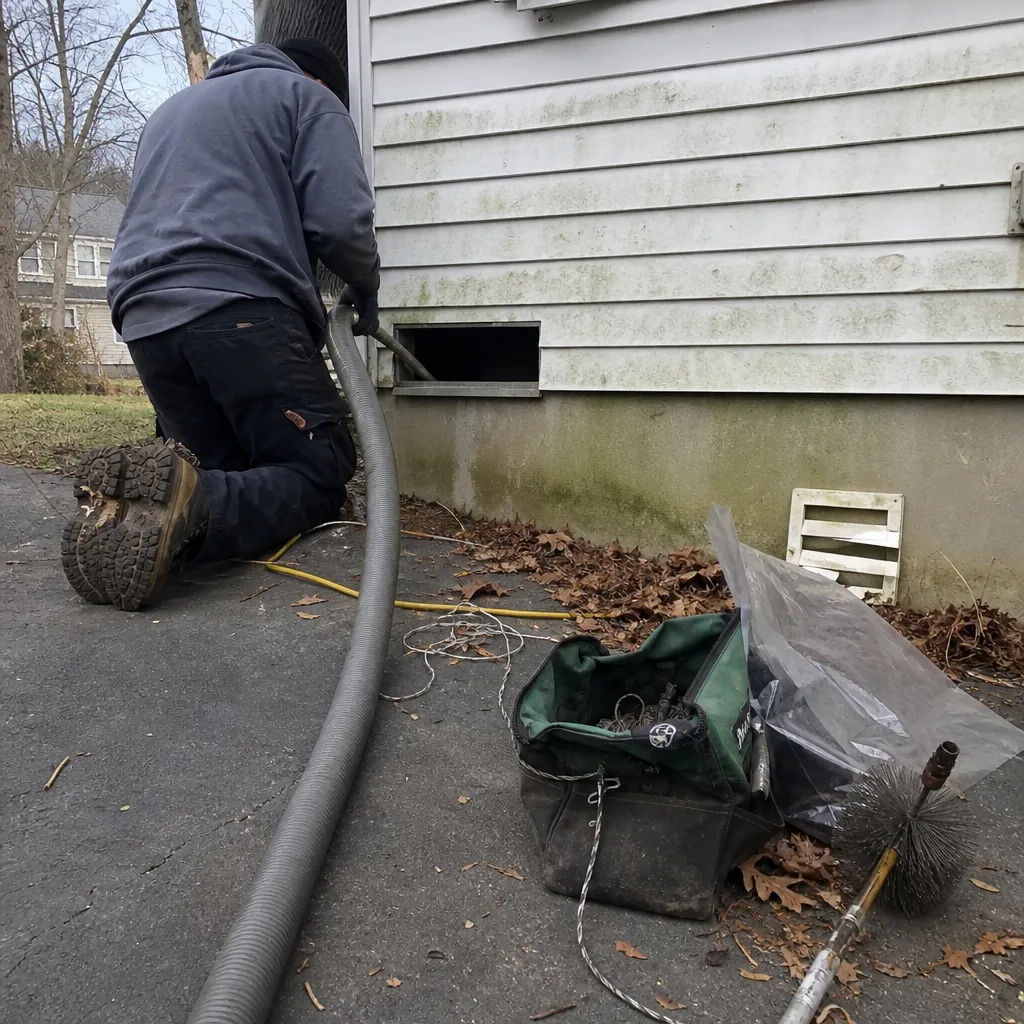 Before
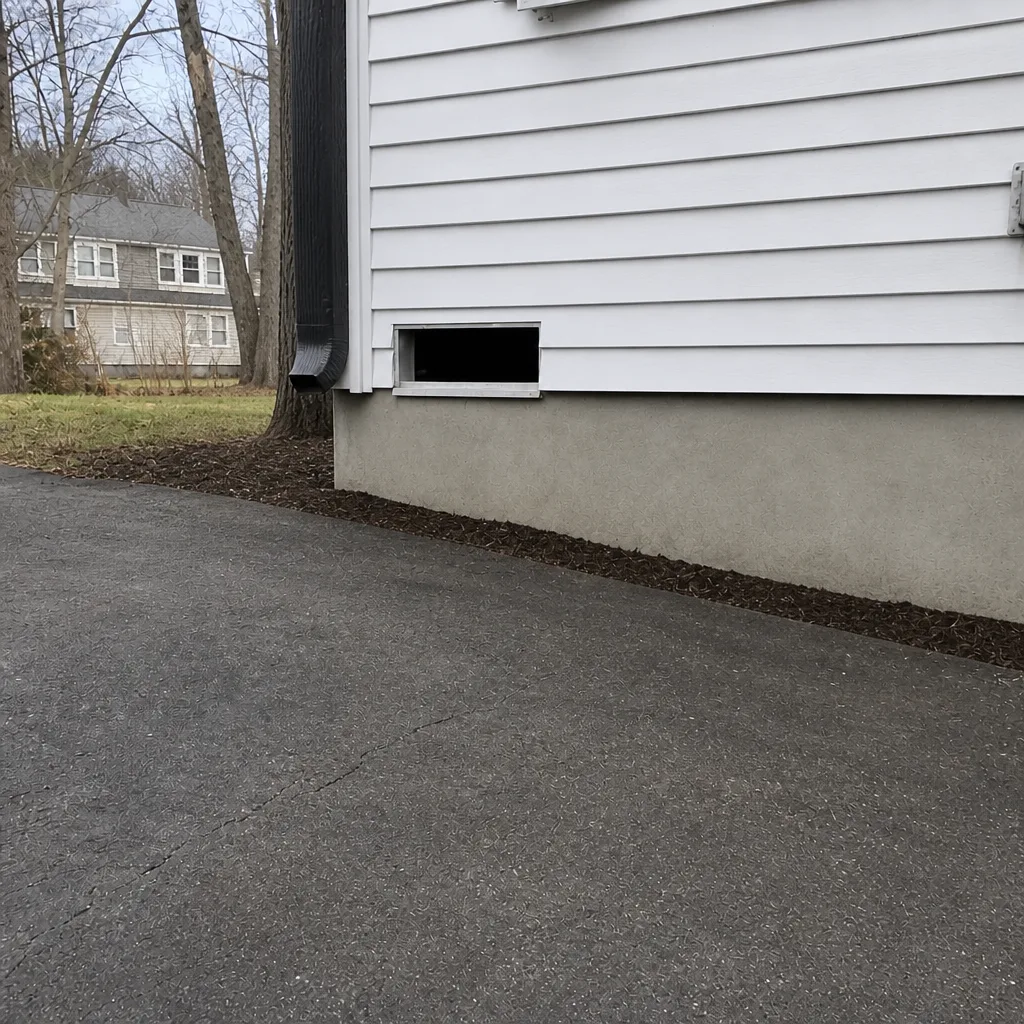 After
When to Call a Professional
Call a professional when the symptom points to anything inside the air handler, anything involving moisture inside a duct run, anything that requires reaching into a confined attic or crawlspace, or anything that involves a burning or refrigerant smell. Call also when you’ve done the safe homeowner checks and the symptom hasn’t changed, or when the visible evidence points to a repair rather than a cleaning. And call before you book a cleaning if you’re not sure which service you actually need. Diagnosis first is the whole point of this guide.
Juniper Air Duct Cleaning offers free estimates in Arlington. Call (844) 932-0326. We answer 24/7. Fast dispatch from 7am to 7pm, Sunday through Friday. Our technicians have up to 11 years of experience, use Rotobrush contact-cleaning systems and Nikro HEPA-rated containment, and work with IAQ brands like Honeywell and Aprilaire when filtration is part of the conversation. Duct cleaning and duct repair are both on the menu, which means we can close the loop on a diagnosis rather than just reporting it.
Frequently Asked Questions
Duct cleaning in Arlington is priced per system, not per vent, and the written estimate sets the final price before any work starts. A typical residential system falls in a range that varies with the number of systems, the accessibility of the ductwork, and whether a repair is part of the scope. A full-system quote should always be a flat, written number. Call (844) 932-0326 for an exact quote. Estimates are free.
Cleaning is right when the ducts are intact but contain accumulated dust, debris, or lint that comes out with a professional pass. Repair is right when the ducts are crushed, disconnected, or collapsed, and the airflow problem stays after cleaning. The self-diagnosis checks in this guide help narrow it down, and a free estimate settles it. Call (844) 932-0326 for an exact quote. Estimates are free.
A very low quote usually reflects a per-vent price that doesn’t cover a full system, a shop-vac pass rather than professional equipment, or a scope that leaves the air handler, return, and plenum untouched. A serious quote covers the whole system, is written, and includes before-and-after photos of your own ducts. If the price looks too good to be true, it usually is. Call (844) 932-0326 for an exact quote. Estimates are free.
Usually no. A musty smell that appears only when the AC runs is more often a drain pan or evaporator coil issue than a duct dirt issue, and cleaning the ducts won’t resolve it. Have the coil and drain pan checked first, then clean the ducts if the inspection confirms duct issues are contributing. Call (844) 932-0326 for an exact quote. Estimates are free.
Usually not. Uneven temperatures are more often a duct leakage, damper, or return pathway issue than a debris buildup issue. A cleaning doesn’t change the volume of air reaching a room. A repair diagnosis, which includes a check of the duct joints and airflow pressures, is the right first step. Call (844) 932-0326 for an exact quote. Estimates are free.
Most Arlington homes don’t need duct cleaning on a fixed schedule. The right interval depends on the home, whether pets live there, recent renovation work, and the filter setup. Homes with pets, recent drywall work, or a weak filtration system benefit from cleaning more often than homes without those factors. If you’re not sure, book an inspection and let the technician tell you honestly whether cleaning is needed. Call (844) 932-0326 for an exact quote. Estimates are free.
The Bottom Line
Most duct problems in Arlington have a specific mechanical cause, and diagnosis-first saves the homeowner from paying for the wrong service. Musty smells that show up only when the AC runs usually point to the coil or drain pan. Uneven room temperatures usually point to duct leakage or a damper. Crushed flex duct is the most common repair problem and the most commonly mistaken for a cleaning problem. Condensation at a floor register in a clay-soil neighborhood is a moisture diagnosis, not a cleaning. And dryer vents are their own service with their own fire-safety reason. If you’re not sure which one you’re looking at, a free estimate with a company that does both cleaning and repair will tell you honestly. That’s the whole point.
For a free estimate in Arlington, call Juniper Air Duct Cleaning at (844) 932-0326. We answer 24/7. Fast dispatch from 7am to 7pm, Sunday through Friday. When the problem is best described as a repair, we can handle it. When it’s better described as a cleaning, we can handle that too. When it’s neither, we’ll tell you plainly and point you to the discipline that fits.
If you’re outside Arlington and want our coverage area, take a look at Arlington for local details.
Written by the team at Juniper Air Duct Cleaning.