
Last updated November 15, 2026
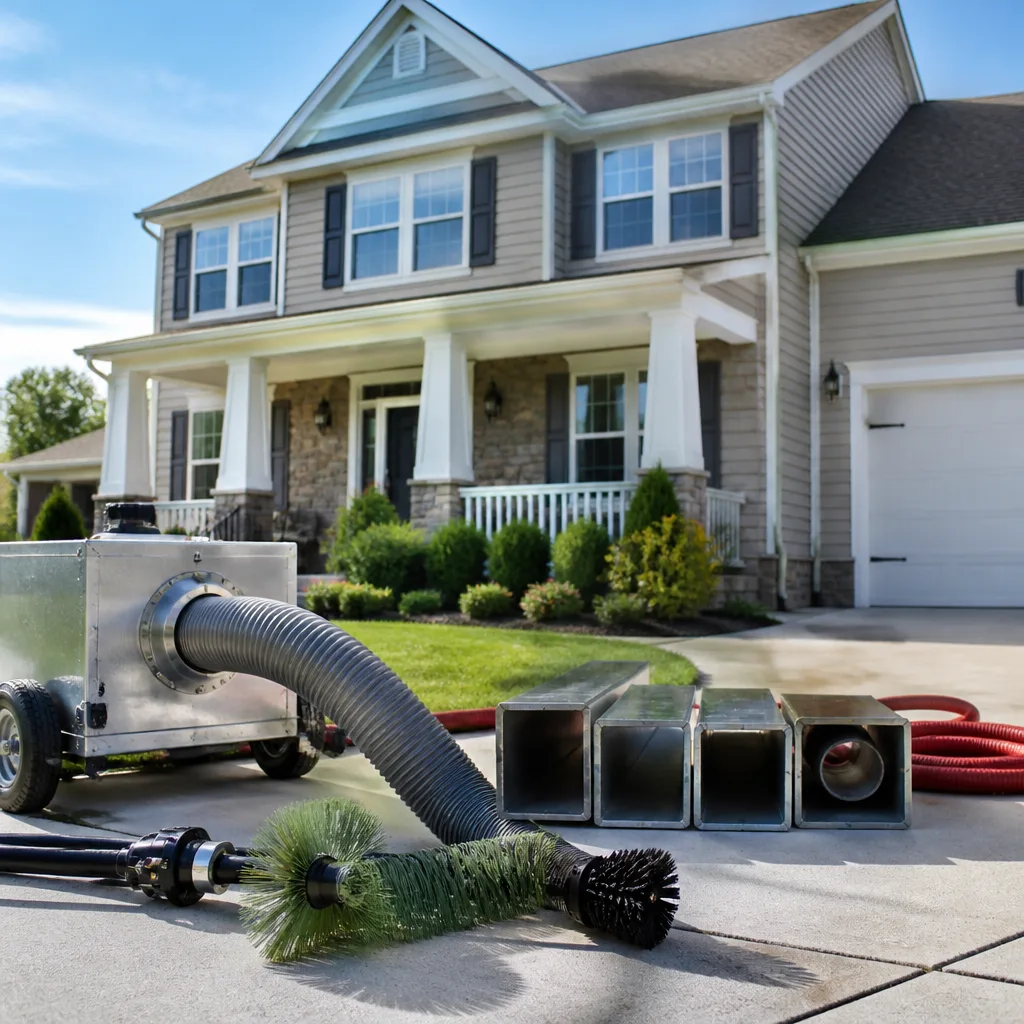 Whole-home duct cleaning
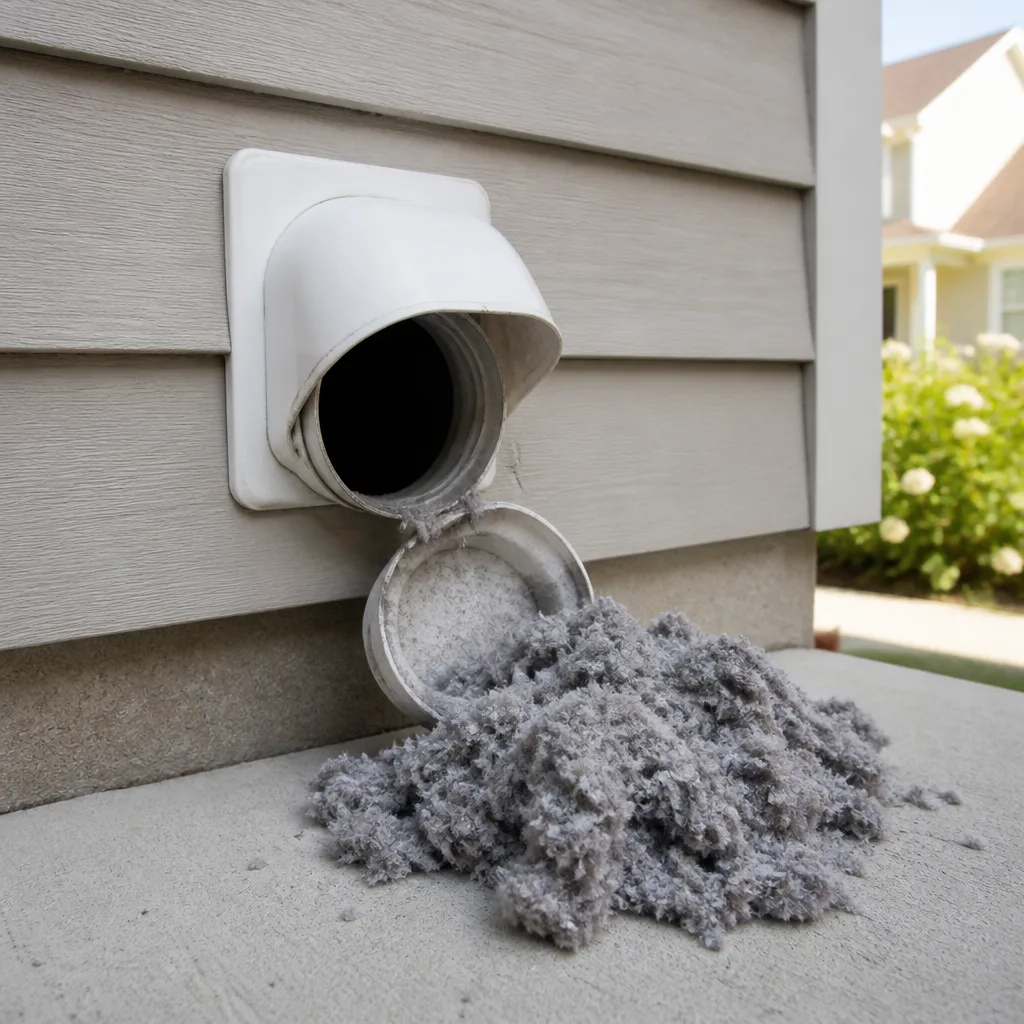 Dryer vent cleaning
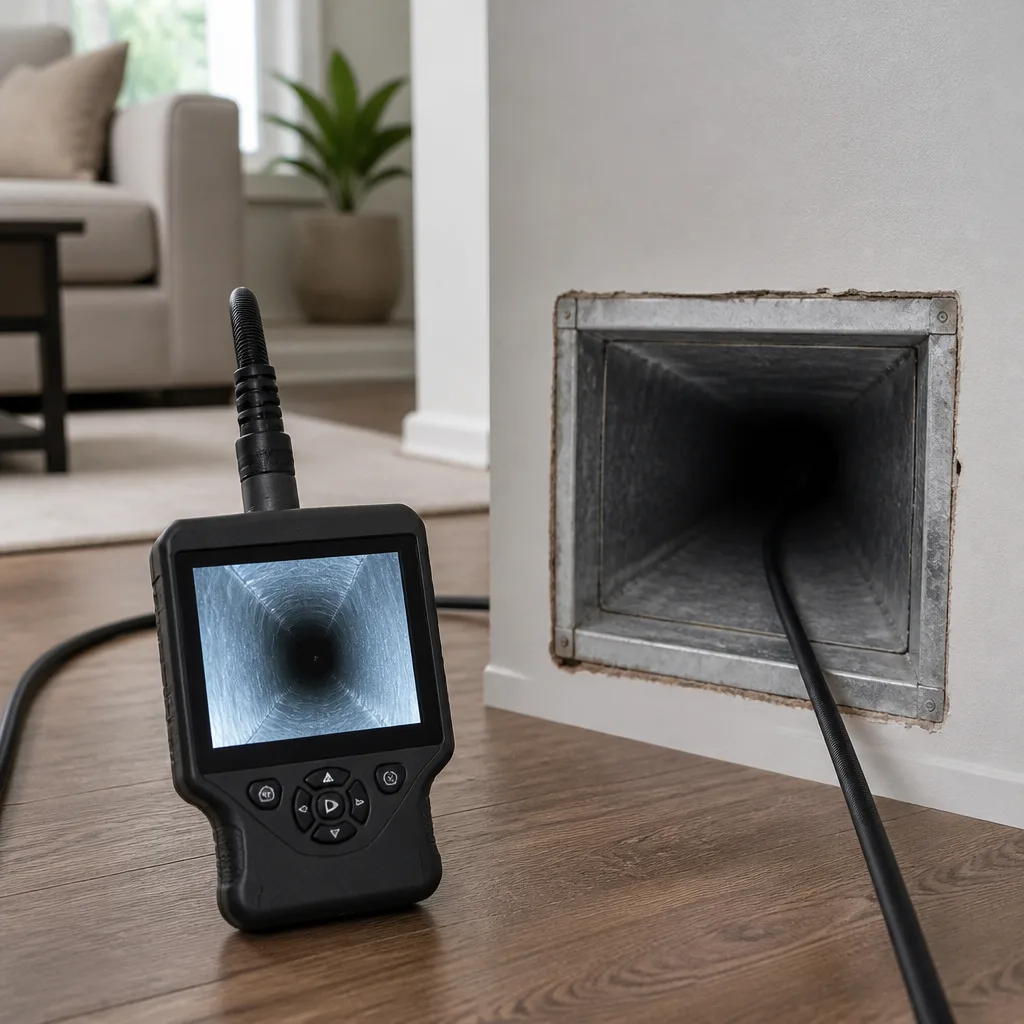 Camera inspection
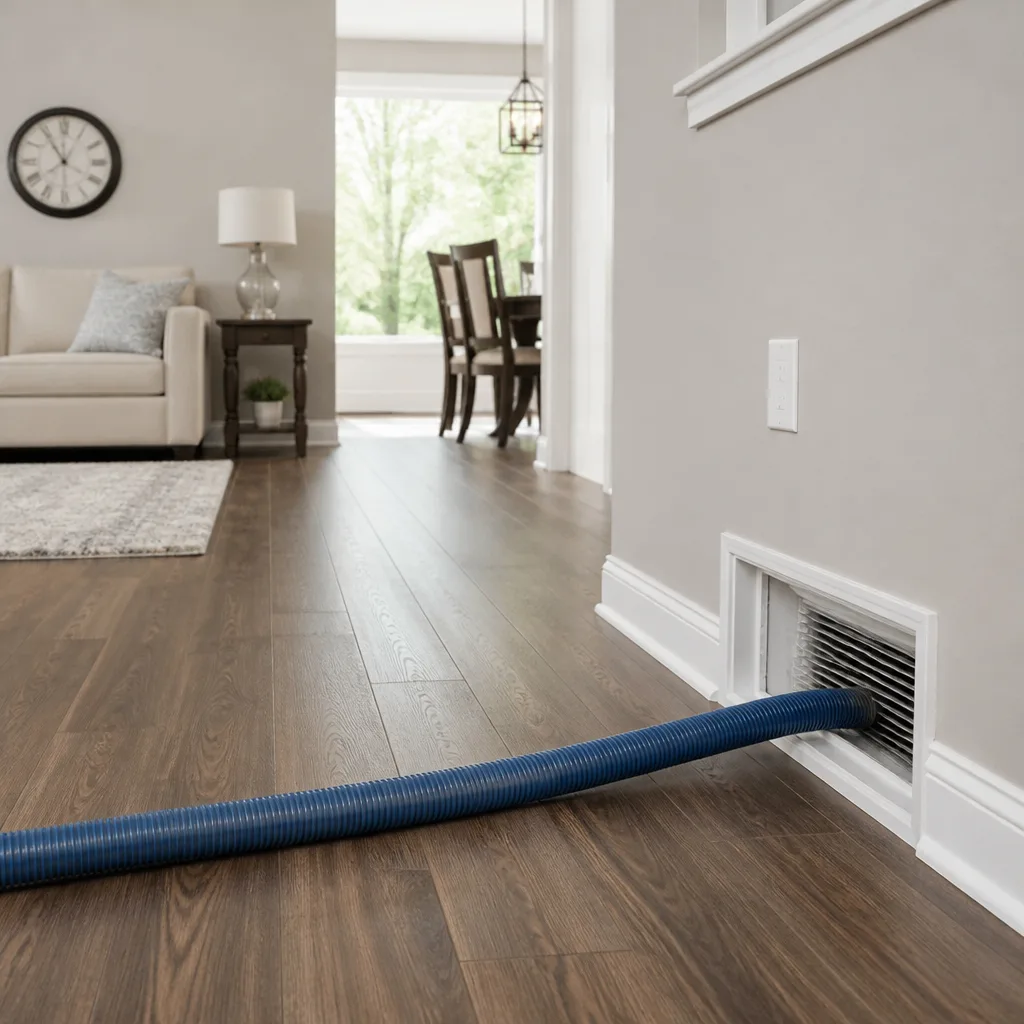 Sanitizing & deodorizing
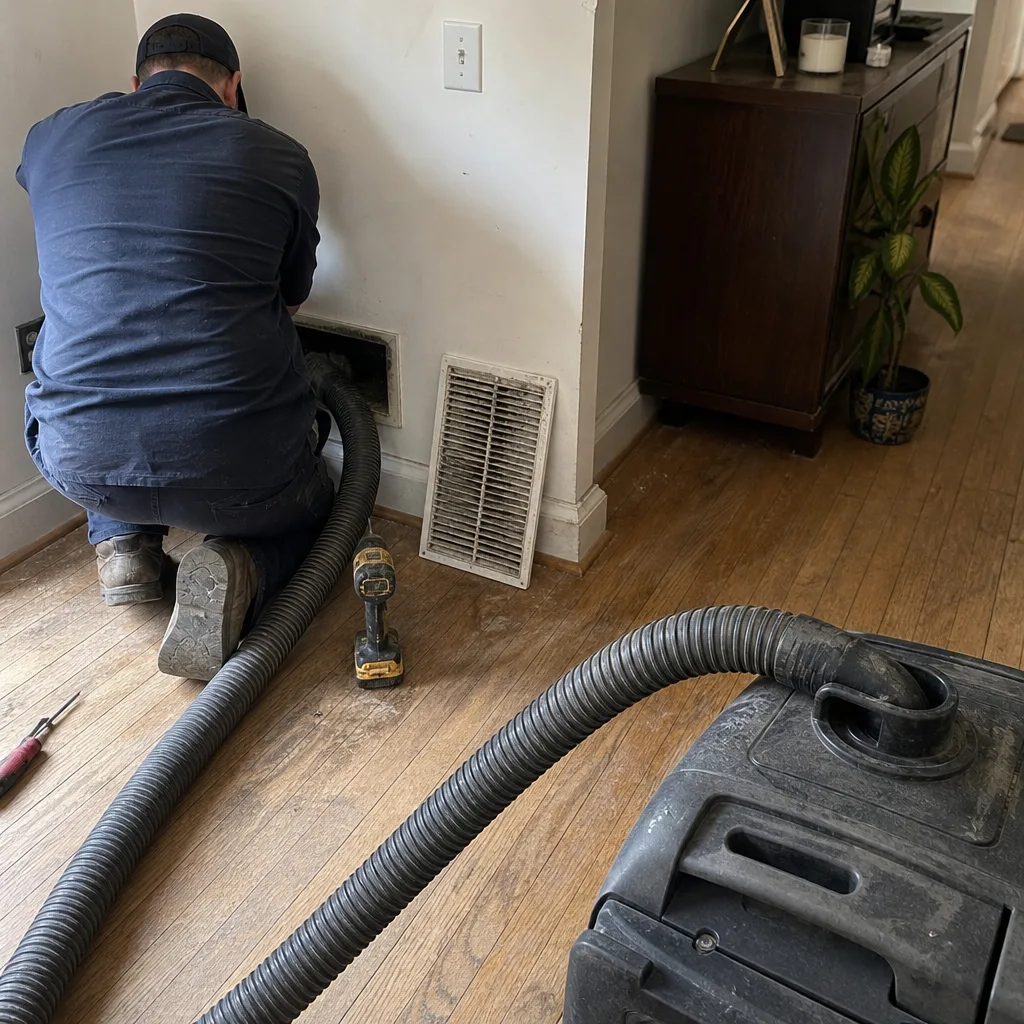
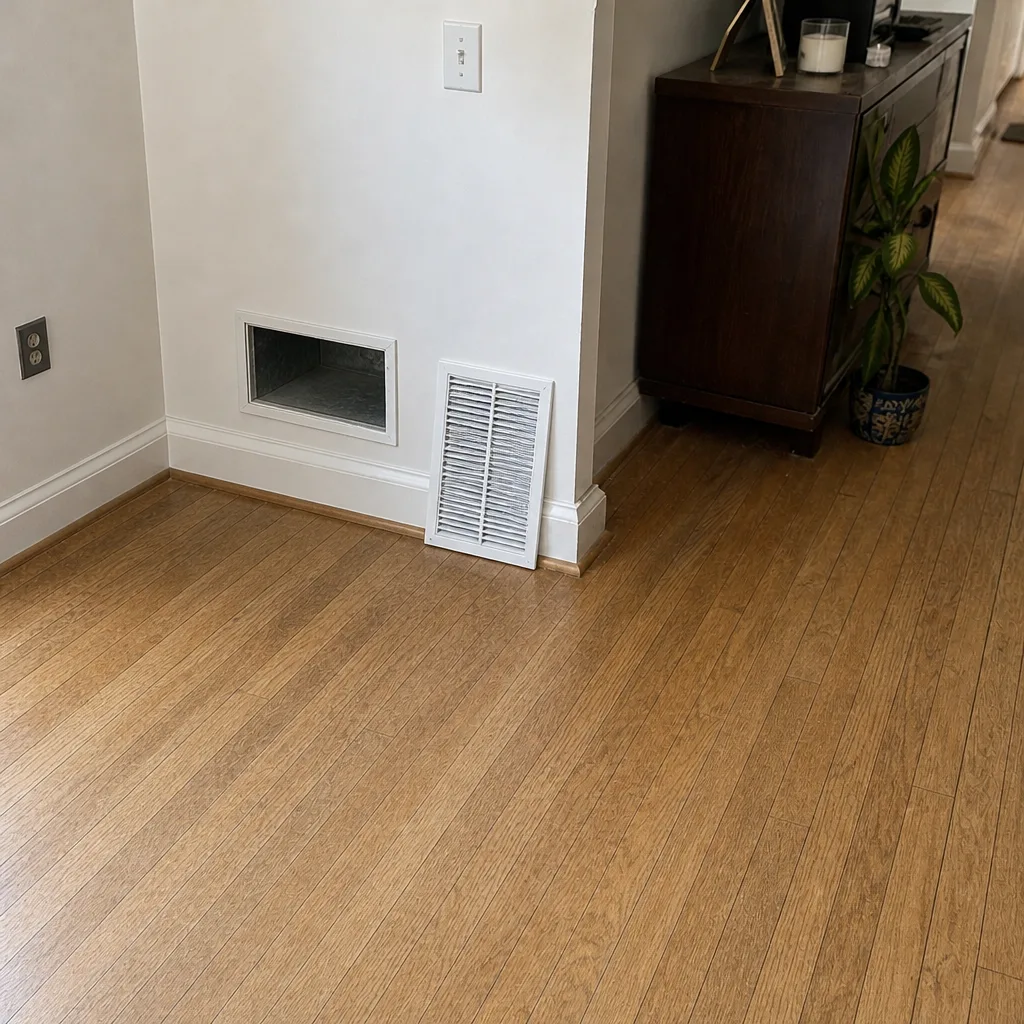
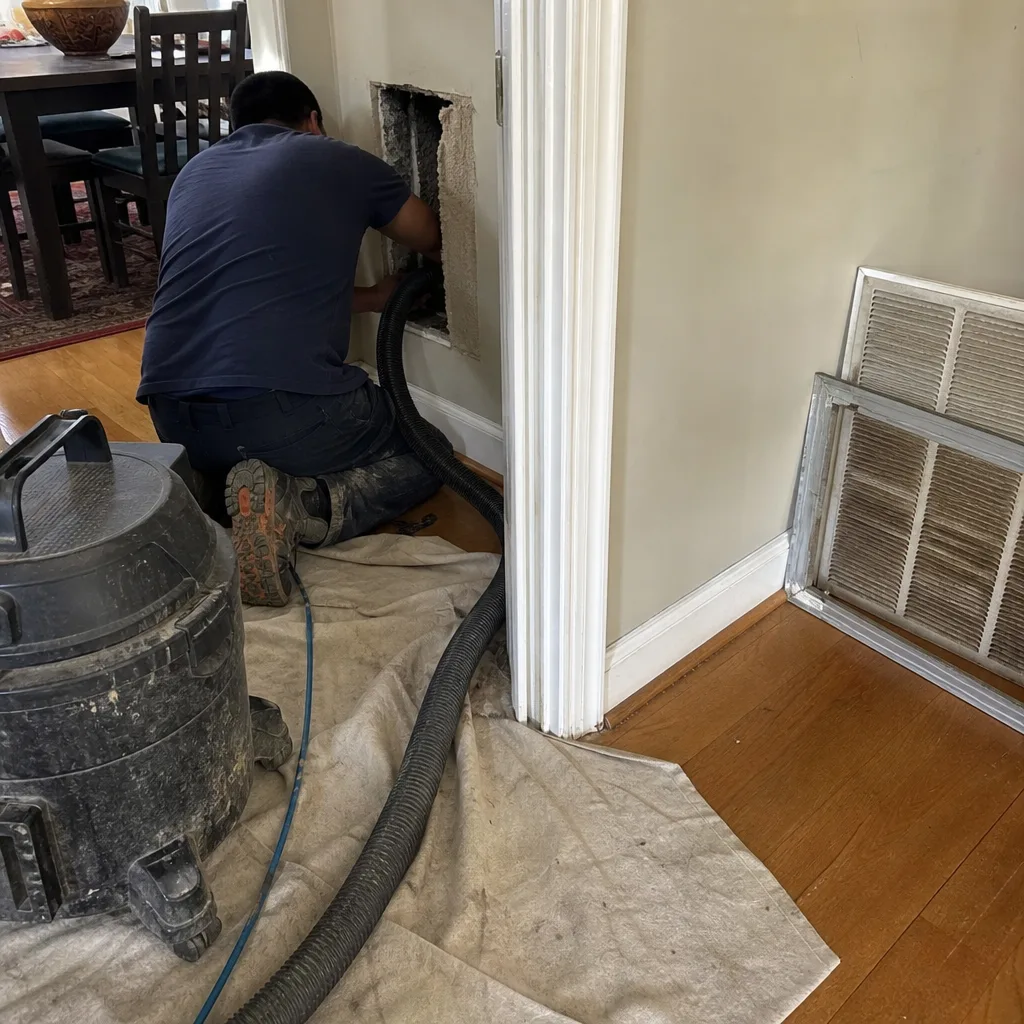
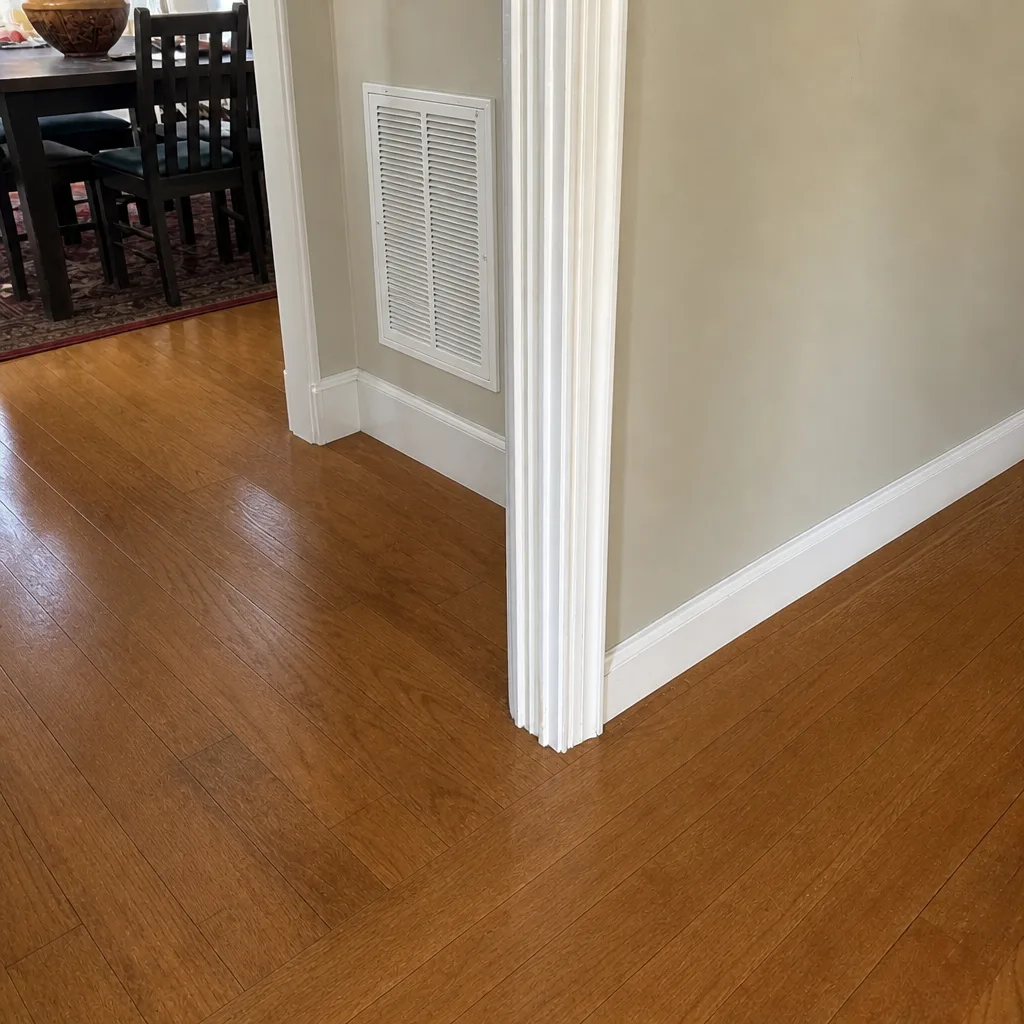
Whole-system duct and dryer vent check with before-and-after photos - you see exactly what came out of your vents
That "$99 whole-house special" is a bait ad - the real number appears once they are in your hallway, or the "clean" is a shop-vac at the register. We photograph the inside of your ducts before and after instead.
Air Duct Cleaning Maintenance Schedule: What to Do and When
The advice you’ve probably heard is to clean your ducts every three to five years. That’s not wrong, exactly. But it’s a floor, not a plan. The variables that actually drive how fast dust, pollen, and debris build up inside a duct system are the ones nobody puts on a calendar: how many pets shed in the house, whether anyone smokes indoors, how old the system is, and whether you’ve recently torn out a wall. An Arlington home with two dogs, an older air handler, and a kitchen renovation can hit a real contamination threshold in well under two years. A quiet condo with no pets might coast comfortably past five. This guide replaces the generic calendar with something better: a decision-based maintenance schedule built around the conditions in your actual house. By the end, you’ll know exactly what to do, when, and what to check in between.
Quick Answer
Most homes need professional air duct cleaning every two to five years, and the right interval depends on your conditions, not a fixed number. Add pets, indoor smoking, allergy sufferers, recent construction, or an older HVAC system and you should move toward the shorter end at two to three years. A clean, pet-free home with a newer system can stretch to five. Between professional cleanings, change filters on schedule, check the dryer vent for lint buildup, and keep a simple maintenance log so the next technician has real information to work with.
Styles & brands we work with
- Whole-home duct cleaning
- Dryer vent cleaning
- Camera inspection
- Sanitizing & deodorizing
Table of Contents
- Why the Standard “3 to 5 Years” Rule Falls Short
- A Condition-Based Decision Tree for Your Home
- What to Do Between Professional Cleanings
- Arlington Seasonal Triggers Worth Planning Around
- The Dryer Vent Schedule Most Homeowners Skip
- How to Build a Maintenance Log That Actually Helps
- Signs Your Ducts Need Attention Sooner Than Planned
- Common Mistakes to Avoid
Why the Standard “3 to 5 Years” Rule Falls Short
A blanket cleaning interval assumes every house collects dust at the same rate. They don’t. The National Air Duct Cleaners Association points to a similar framing for a reason: duct contamination is a function of what goes into the system and how well the system handles it. Two houses on the same block in Arlington can have wildly different buildup after the same number of years.
Think about what feeds a duct system. Every time a filter loads up and stops catching fine particles, more of them pass through and settle on duct walls. Every time a pet sheds, that hair and dander enters the return air stream. Every renovation forces drywall dust, sawdust, and insulation fibers into the air. Older systems with less efficient filtration push more of all of it downstream. The ducts themselves don’t wear out, but they do collect.
What the three-to-five rule really describes is the outer edge for a low-load household. It’s a reasonable baseline, and it’s what most sources cite. But it isn’t a prescription that fits a home with three cats, a smoker, and an eighteen-year-old furnace. In our experience, those homes can start showing visible dust streaks around vents, musty odors on startup, and heavier filter loading well inside two years.
The fix is to assign your own interval based on a short list of factors. The next section walks through it. What matters here is the mental shift: stop asking “how often should ducts be cleaned” and start asking “how fast does my house load its ducts.”
A Condition-Based Decision Tree for Your Home
Use the factors below to assign your starting interval. If more than one applies to you, drop to the shorter end. This is a planning tool, not a hard rule, and a professional inspection is the final arbiter.
- Start at five years if you have no pets, no indoor smokers, no allergy sufferers, a system under ten years old, and no recent renovation.
- Move to four years if you have one pet but otherwise clean conditions, or if you’ve replaced your HVAC system within the last five years and filtration is good.
- Move to three years if you have two or more pets, one allergy or asthma sufferer in the home, or you’ve done minor renovations like painting and trim work without sealing the vents.
- Move to two years if you have indoor smokers, multiple allergy sufferers, an HVAC system over fifteen years old, or a renovation that involved drywall, demolition, or insulation work.
- Move to annual inspection with cleaning as needed if you have all of the above at once, or if you’ve just moved into a home and don’t know its history.
Our technicians have up to 11 years of experience, and the pattern that shows up again and again is that pet households and renovation households hit contamination fast, well before the calendar says it’s time. Older duct systems with leaky joints and poor filtration pull in attic and crawlspace dust too, which accelerates loading on top of everything else.
If you’ve recently moved into a home in Arlington, treat the first year differently. You have no idea whether the previous owner ever cleaned the ducts, and a quick inspection with a camera will tell you more than any rule. A full-system evaluation using air duct cleaning equipment built for residential work, like our Rotobrush contact-cleaning systems and Nikro HEPA-rated containment, will show you exactly what’s inside and give you a defensible starting point for the years ahead.
What to Do Between Professional Cleanings
Professional cleaning is the big reset. What you do between cleanings determines how fast the clock runs until the next one. These are the tasks that make the biggest difference.
Filters
- Change 1-inch filters every one to three months depending on pet count, occupancy, and how fast they visibly load up.
- Use the highest MERV rating your system can handle without measurably restricting airflow. MERV 8 is a reasonable middle ground for most residential systems; MERV 11 to 13 captures finer particles if your blower can take it.
- Check the filter slot before you swap to make sure the filter is seated correctly; a gapped filter lets unfiltered air bypass the media entirely.
- Note the date on the filter frame every time you change it. That single habit is the start of a real maintenance log.
Inspection Port Checks
If your system has inspection ports or accessible plenum sections, a flashlight is enough. Look for dust streaks, visible debris, or moisture. Moisture is the one to call about immediately, because it points to a condensate or humidity problem that cleaning alone won’t fix. Customers with dryer vent cleaning done independently should note that the HVAC duct check and the dryer vent check are separate tasks on separate schedules, and both need to happen.
Around Vents and Registers
- Vacuum supply and return registers with a brush attachment every few months to knock down surface dust.
- Wipe down return grilles more often if you have pets; hair collects on the face of the grille and restricts flow.
- Check balance after seasonal changes. If a register that used to blow hard now feels weak, airflow is the issue, not the dust.
Humidity Management
Arlington summers push indoor humidity higher than many homeowners realize. A duct system running in humid conditions collects dust that stays clumped and sticky, and it can support microbial growth if moisture stays high. Running the system fan longer, using a dehumidifier, and confirming condensate lines are clear are all inexpensive ways to protect the ducts between cleanings. If you have a premium IAQ system installed, such as a Honeywell filtration component, verify it’s operating properly and that the filter media is being changed on its own schedule.
Arlington Seasonal Triggers Worth Planning Around
Seasonal timing matters more than most homeowners expect, and Arlington has two distinct pressure points worth putting on the calendar.
Spring: April and May Pollen
Arlington sits in a region where late April and May are heavy pollen months. Tree pollen moves first, followed by grass. Much of it enters your home through open windows and doors, on shoes, on pets, and through the air handler. Even with windows closed and filters changed on schedule, fine pollen particles pass through standard filters and settle in the ductwork. Late spring, right after the peak, is one of the two best times of year to have the system checked or cleaned. If you have allergies, timing a cleaning to late spring or early June means you go into summer with a system that isn’t cycling yesterday’s pollen back into the rooms.
Late Summer: Humid August Conditions
August in Arlington is hot and humid, and your HVAC system runs longer and harder than at any other point in the year. That means more air moving through the ducts, more dust getting deposited, and more humidity in the system than at any other time. Late summer is the second good inspection window. A full-system check after the heavy cooling season catches any moisture issues before they become a bigger concern and gives you a clear read on how the ducts held up through the summer.
The right rhythm for most Arlington homes is a professional inspection or cleaning in late spring and a lighter check in early fall. Between those two touchpoints, filter changes and register checks do the heavy lifting. Climate in this region is hard on filtration, and the pollen and humidity load is the reason many homes here need service closer to the two-to-three-year end of the range rather than the five-year ceiling.
The Dryer Vent Schedule Most Homeowners Skip
Nobody thinks about the dryer vent until the dryer takes two cycles to dry a load. By then, lint has been building up for a while. Dryer vent lint is one of the leading causes of residential fires, and the vent is one of the few parts of your home where a routine schedule genuinely reduces real risk.
Recommended Dryer Vent Schedule
- Clean the lint trap before every load. No exceptions.
- Inspect the vent ductwork every six months. Look for crushed sections, sagging runs, or visible lint accumulation behind the dryer.
- Schedule a professional dryer vent cleaning every one to two years for typical households.
- Move to annual cleaning if you have a large household, run several loads per week, or have a longer vent run than average.
- Check the exterior vent flap seasonally to confirm it opens and closes freely and that no lint is visible at the discharge point.
A dryer vent is different from an HVAC duct in one important way: the consequences of buildup are a fire risk, not just a performance issue. That’s why we treat dryer vent cleaning as a fire-safety service rather than an add-on. If your dryer vents out a wall that’s on the windy or shaded side of the house, lint can build up faster, and those runs deserve a closer look each time you check.
One more thing worth checking: if your dryer vent terminates under the house or in a crawlspace rather than outdoors, lint and moisture are being dumped where they shouldn’t be. That’s a condition that warrants professional evaluation rather than a DIY fix, and it should be corrected regardless of your cleaning schedule.
How to Build a Maintenance Log That Actually Helps
A clipboard with scribbles doesn’t tell the next technician much. A log with specific entries does. The goal is to hand a professional real data: dates, observations, and changes.
Keep your log in whatever format you’ll actually use. A note in your phone, a folder of photos, or a simple paper sheet on the side of the furnace all work. What matters is that it’s consistent. Here’s what to capture:
- Filter changes: date, filter MERV rating, and a note on how loaded the old filter was (“light gray,” “heavy gray with pet hair,” “fully dark”).
- System changes: the date and reason for any HVAC service call, part replacement, or thermostat change.
- Renovation events: start and end dates for any project that involved demolition, drywall, painting, or floor replacement.
- Register checks: notes on any vent that felt weak, dusty, or smelled musty.
- Professional service records: date of cleaning, the service performed, and any notes the technician left about the system’s condition.
Photos are worth adding. A picture of the inside of a duct during a cleaning tells you whether the deposit is light dust or something heavier, and that visual is more useful than a written note when you’re comparing five years ago to today. If you’ve recently moved, ask the previous owner for any records, and if there aren’t any, treat the first inspection as your baseline. Our technicians document conditions with before-and-after photos, which gives you the starting image for your own log.
If you have an IAQ system connected to the ductwork, such as an Aprilaire humidifier or a Guardsman filtration accessory, log those service dates separately. Filters in components downstream of the main duct run live a different life than the main filter, and the manufacturer’s recommended intervals are specific to each unit.
Signs Your Ducts Need Attention Sooner Than Planned
Every schedule should have an override. If any of these show up, move the cleaning forward regardless of where you are on the calendar.
- Visible dust streaks coming out of the registers when the system first kicks on.
- A musty or dusty smell that appears when the fan runs and fades when it’s off.
- Frequent headaches or worsened allergy symptoms in the home that track with system operation, which points to a possible air quality issue worth evaluating.
- Visible dust on furniture within a day or two of cleaning, suggesting the system is redistributing dust.
- Recent renovation or movement of furniture and stored items, both of which disturb settled dust.
- Moisture or staining near supply vents or inside the air handler cabinet; this is a red flag for a humidity or condensate issue, not just buildup.
- A dryer that runs longer than usual, or a load of laundry that still feels damp after a full cycle.
Two of these signs (moisture and heat, or dryer performance) are also potential safety issues. If you see moisture in the duct system, have it evaluated before assuming a cleaning will solve the problem. If the dryer is slow, check the vent before running it again. The best response is a professional inspection, particularly if there’s any reason to suspect damage to the ductwork. One of the things we do differently is offer air duct repair alongside cleaning, so the fix and the cleaning happen in the same visit rather than being split between two vendors.
Common Mistakes to Avoid
- Treating the three-to-five-year rule as a fixed law. It’s a baseline for a low-load house. A house in Arlington with two dogs and a recent renovation can hit contamination thresholds in under two years. Adjust the schedule to the conditions.
- Ignoring the dryer vent until the dryer complains. Lint buildup is a fire risk, not just a performance issue, and it builds silently. Every one to two years, professionally, regardless of how the dryer is running.
- Skipping the filter change during busy seasons. Spring pollen and summer load both accelerate filter loading. If you only check filters at the start and end of each season, you’re missing the middle.
- Assuming new construction doesn’t need cleaning. New homes and recent renovations often have the highest debris loads because of drywall dust, sawdust, and construction materials in the system. Clean within the first year after a major renovation.
- Not keeping a record. Without a log, every professional is starting from zero. A simple maintenance record gives them real data and lets you make better decisions from year to year.
- Accepting the cheapest quote without knowing what’s included. A low price that doesn’t cover containment, HEPA filtration, and full-system contact cleaning is not a comparable service. Ask what equipment is used and whether the work is verified.
- Forgetting that duct repair exists as an option. If a section of flex duct has collapsed, joints are leaking, or a boot is disconnected, cleaning alone won’t fix the problem. Ask for an inspection that includes repair options.
See the difference
 Before
 After
 Before
 After
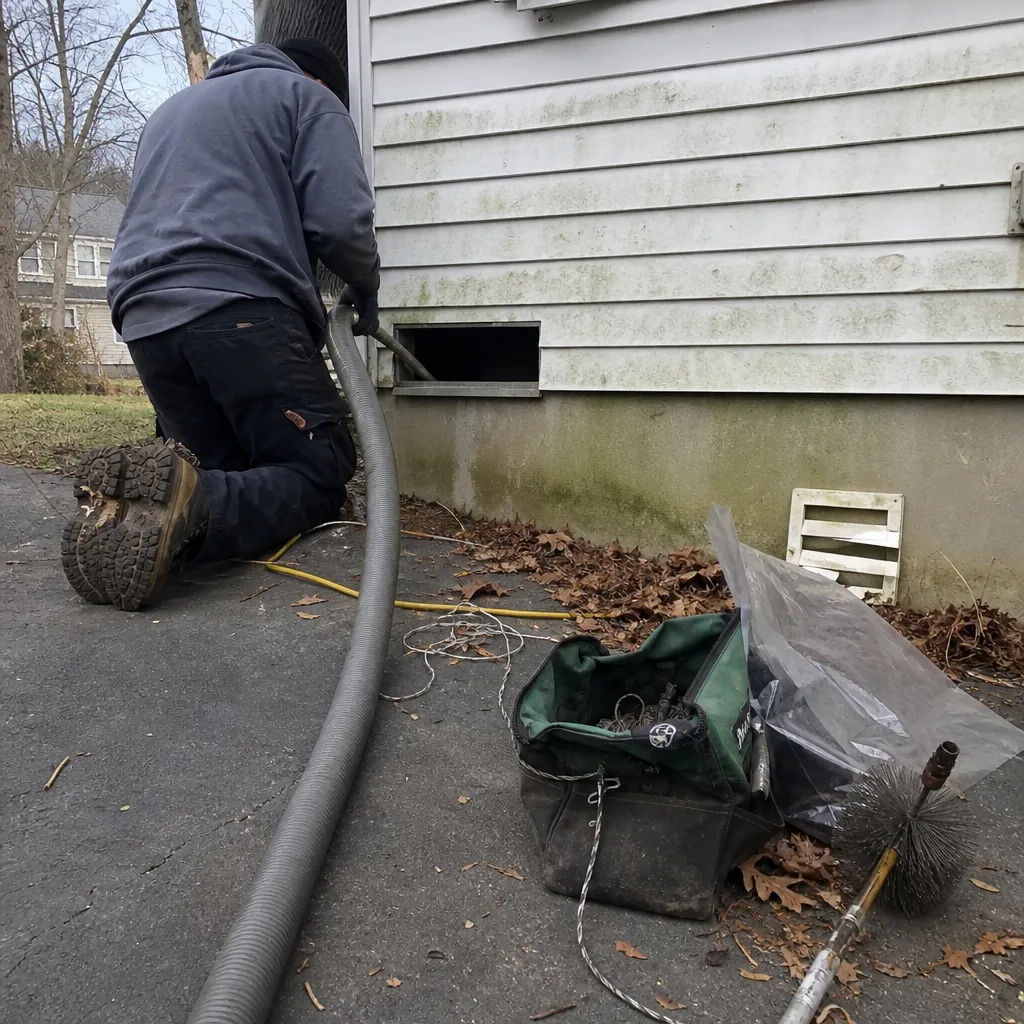 Before
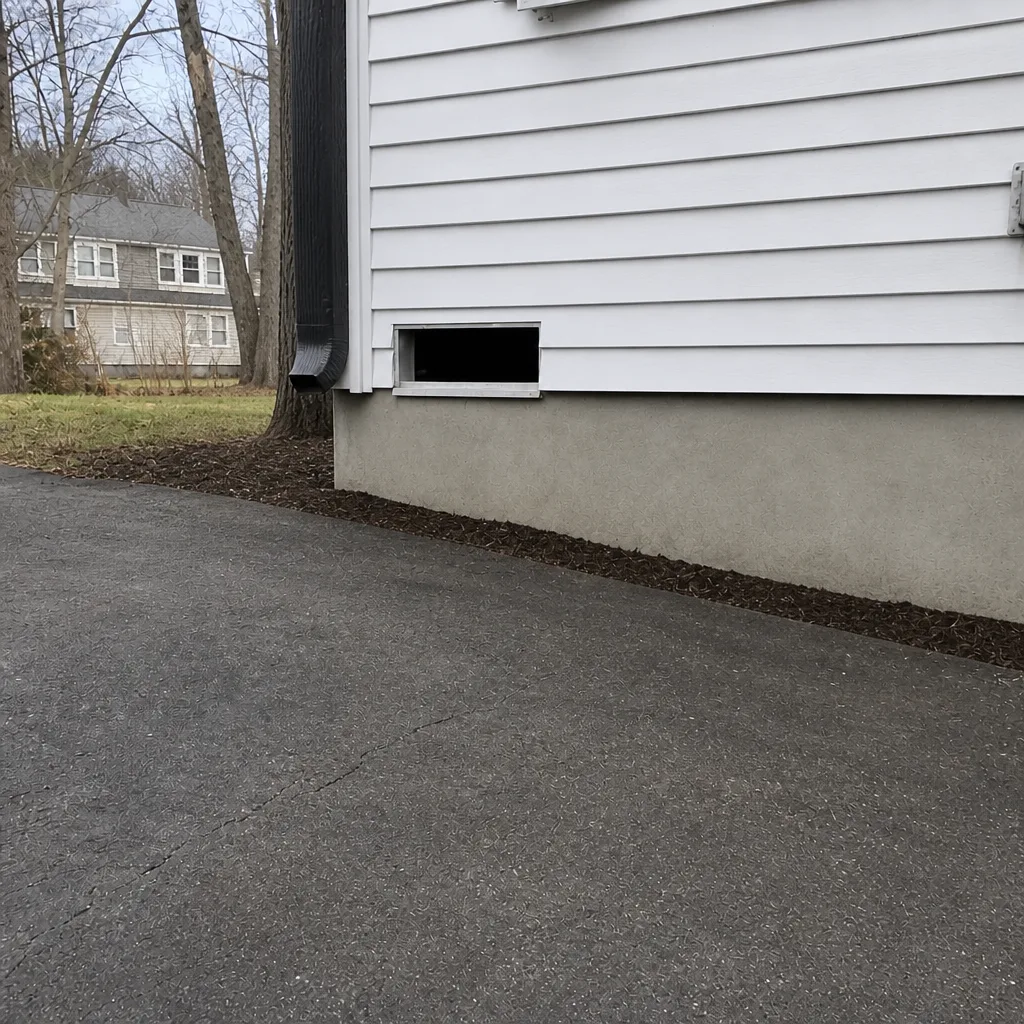 After
When to Call a Professional
Call us when you’re within a year of your scheduled cleaning window, when any of the signs above appear earlier than expected, or when you’ve just moved into a home and don’t know its history. Call when you notice moisture in the system, when the dryer is taking longer than it should, or when the recent renovation hasn’t yet had a system check. Call when you need a full-system evaluation that covers both cleaning and repair, so you’re not chasing two different vendors to solve one problem.
At Juniper Air Duct Cleaning, we run professional-grade Rotobrush contact-cleaning equipment and Nikro HEPA-rated containment on every job, and we offer duct repair alongside cleaning so we can close the loop from diagnosis to fix. A free estimate is available, and the written estimate sets the final price. Call (844) 932-0326. We answer 24/7. Fast dispatch from 7am to 7pm, Sunday through Friday. If your system hasn’t been evaluated in a while, an inspection is the fastest way to know if you’re actually on schedule or overdue.
Our technicians have up to 11 years of experience across residential and light-commercial systems, and they can confirm whether a full-system cleaning makes sense for your situation or whether a lighter check is the better call right now. Estimates are free, and we give you the information either way.
Frequently Asked Questions
Most homes should have air ducts professionally cleaned every two to five years, with the specific interval determined by household conditions rather than the calendar alone. Homes with pets, indoor smokers, allergy sufferers, older HVAC systems, or recent renovations should move toward the two-to-three-year end. Clean, pet-free homes with newer systems can stretch to five years. Between professional cleanings, keep up with filter changes and check registers and vents regularly.
Yes. Pet hair, dander, and skin cells enter the return air stream and settle on duct surfaces, which means the same household with two dogs can reach contamination faster than the same house without pets. In our experience, homes with multiple pets and an older system in Arlington frequently need cleaning closer to every two years rather than every five.
Yes. Renovations push drywall dust, sawdust, and insulation fibers into the air and into the duct system, and that load is much heavier than normal household dust. If you’ve recently had construction work in Arlington, plan a cleaning within the first year after the project wraps, and consider sealing registers during the next renovation to reduce the debris load.
Arlington’s April and May pollen load and August humidity are both hard on duct systems. Spring pollen settles in the ducts even with windows closed, and summer humidity can make dust clump and stick to duct surfaces. The best planning is a professional inspection or cleaning in late spring, right after peak pollen, with a lighter check in early fall. That rhythm keeps the system on track year to year.
You can do the safe tasks: change filters on schedule, vacuum register grilles, and check the dryer vent. You should not attempt to disassemble ductwork, access the air handler interior, or clean the inside of duct runs yourself. The equipment needed for a proper cleaning (containment, HEPA filtration, and contact agitation tools) isn’t available at retail, and duct joints and flex sections can be damaged by improvised tools. Stick to the safe tasks and let the professionals handle the inside of the system.
Most households should have their dryer vent professionally cleaned every one to two years, and annually if you have a large household, run several loads per week, or have a longer-than-average vent run. Clean the lint trap before every load and inspect the vent area behind the dryer every six months. Lint buildup is a fire risk, so it belongs on the same schedule you keep for the HVAC ducts, not as an afterthought.
The Bottom Line
The three-to-five-year rule is a starting point, not a complete plan. Real intervals depend on what’s in your house: pets, smokers, allergy sufferers, system age, and recent renovations all push the schedule shorter. Arlington’s heavy spring pollen and humid August conditions are two specific triggers worth planning around, and the dryer vent deserves its own one-to-two-year schedule regardless of what your HVAC ducts are doing. Change filters on schedule, check registers and vents seasonally, keep a simple log, and don’t skip an inspection when signs suggest you’re overdue. If you’re unsure where you stand, a free estimate from Juniper Air Duct Cleaning will tell you whether you’re on schedule or behind it. Call (844) 932-0326. We answer 24/7. Fast dispatch from 7am to 7pm, Sunday through Friday.
Written by the team at Juniper Air Duct Cleaning.