
Last updated November 15, 2026
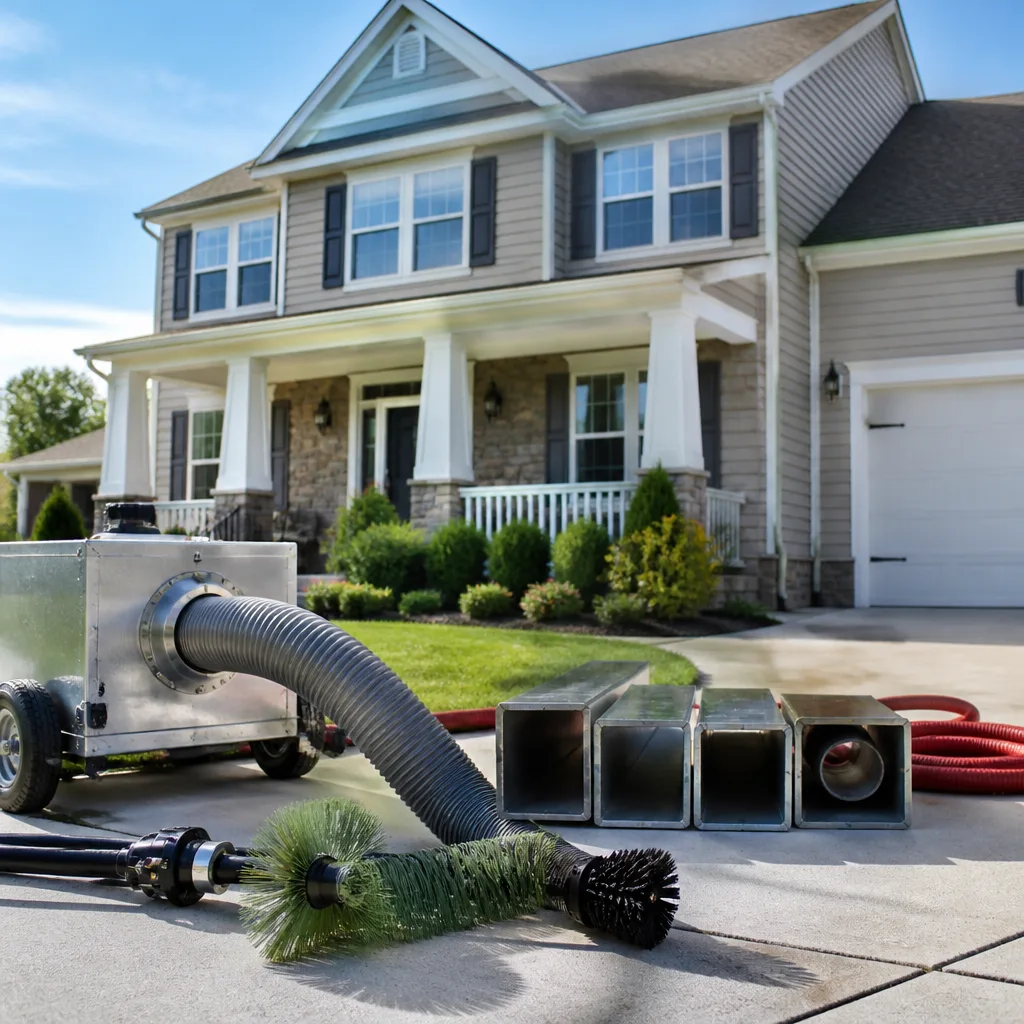 Whole-home duct cleaning
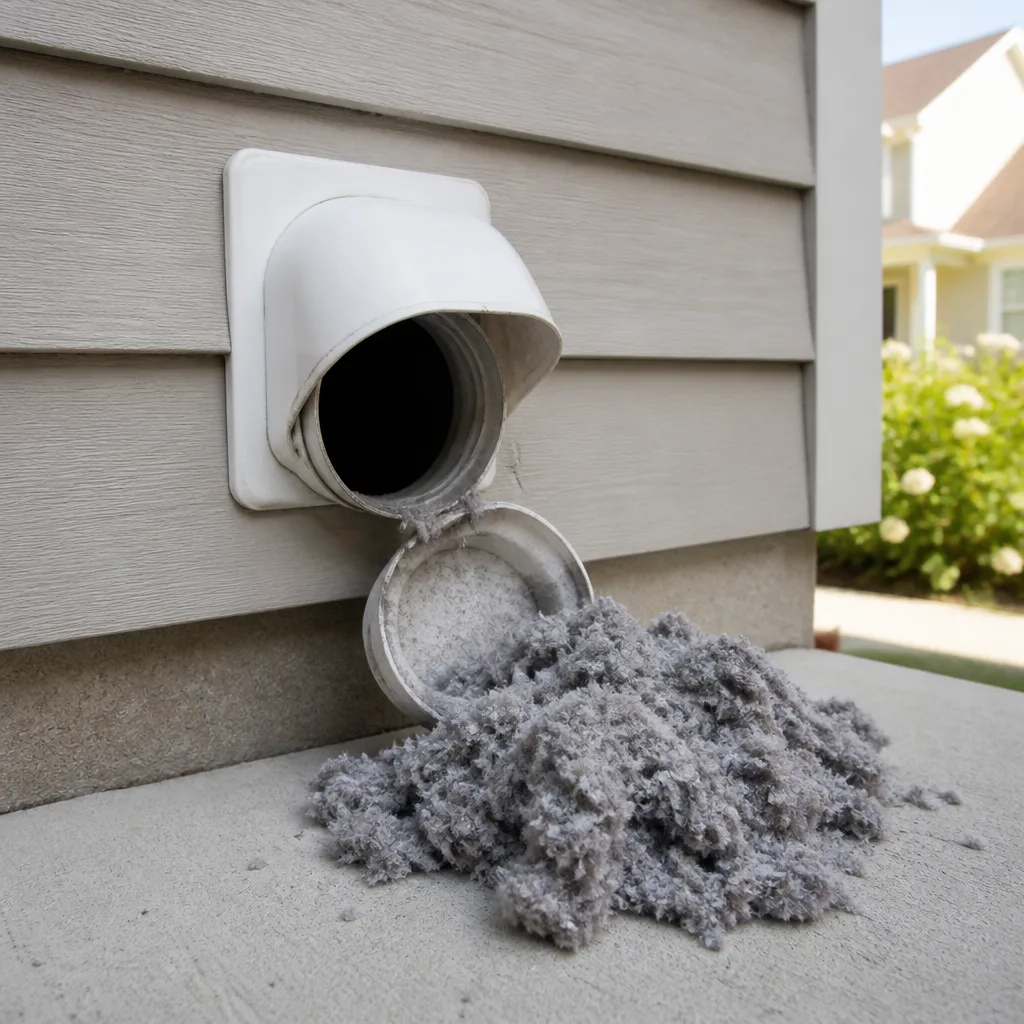 Dryer vent cleaning
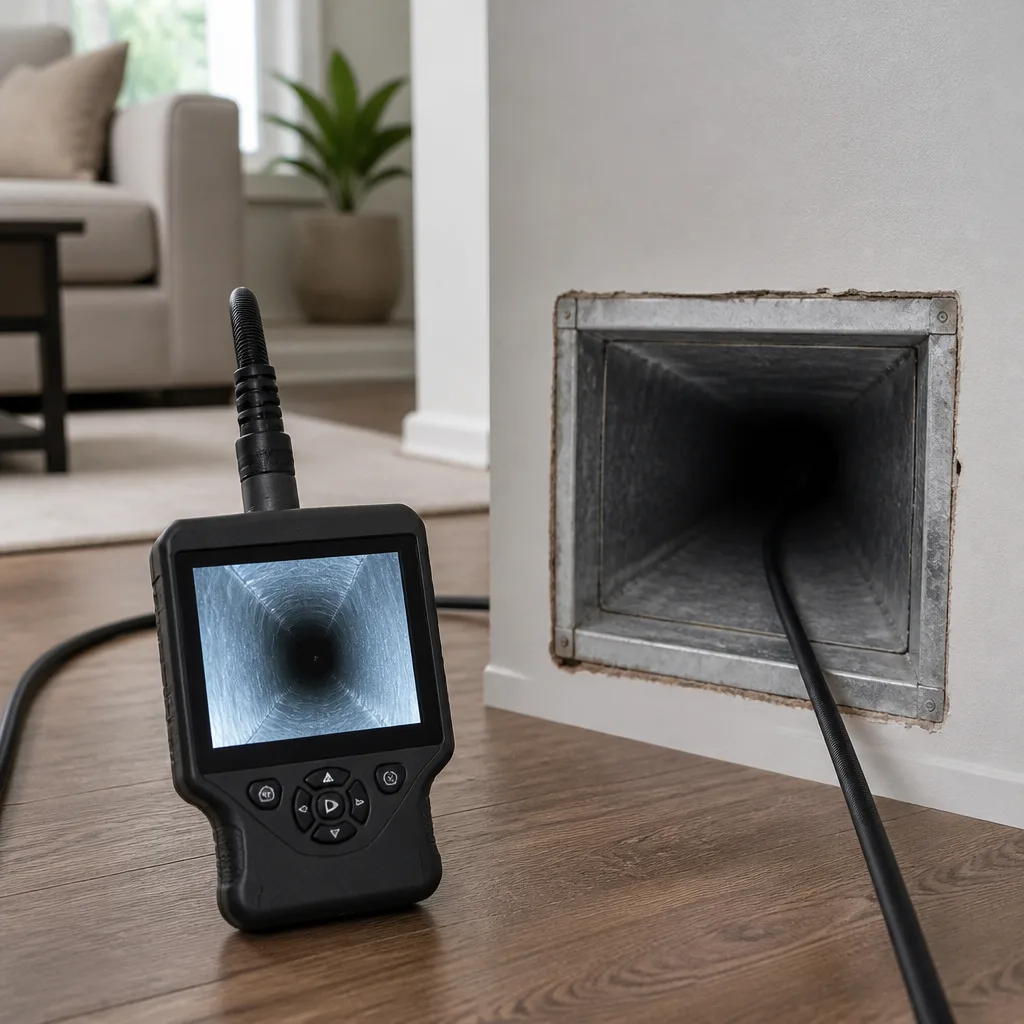 Camera inspection
 Sanitizing & deodorizing
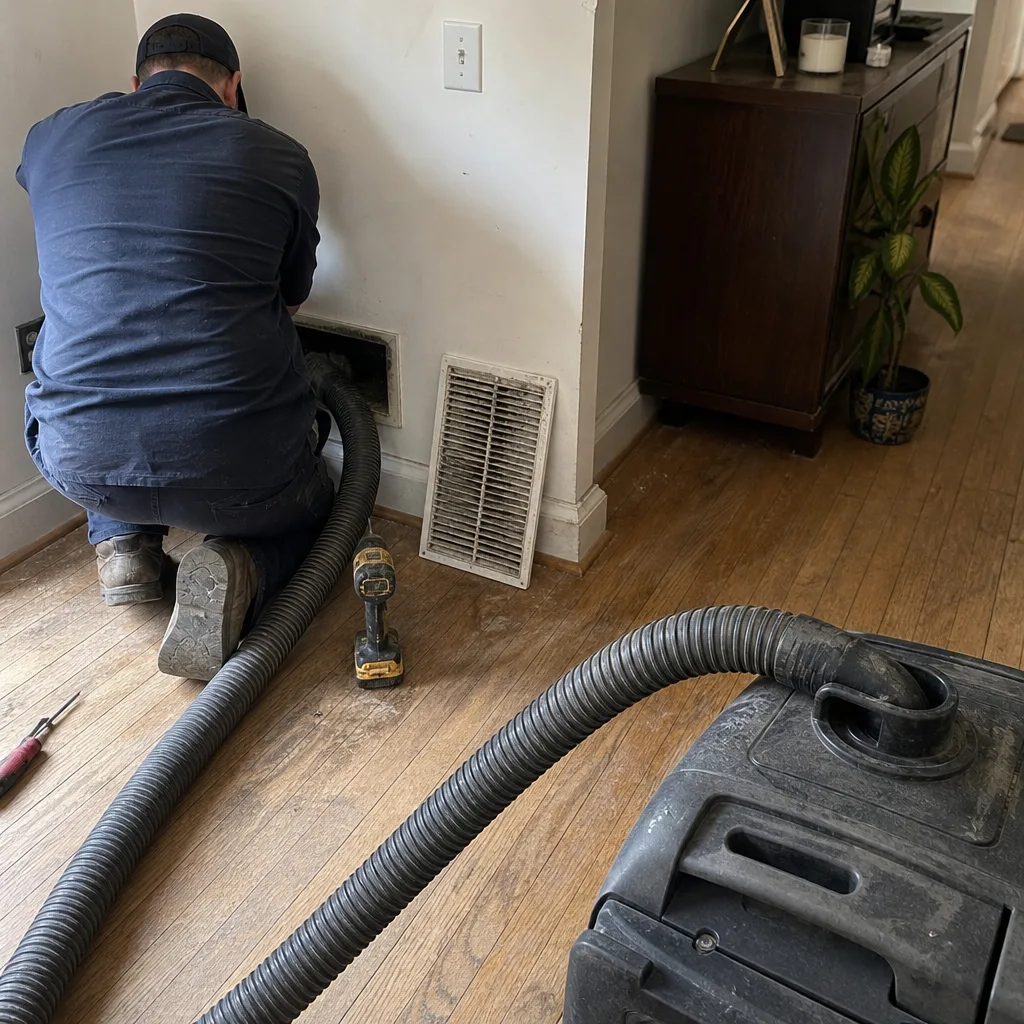
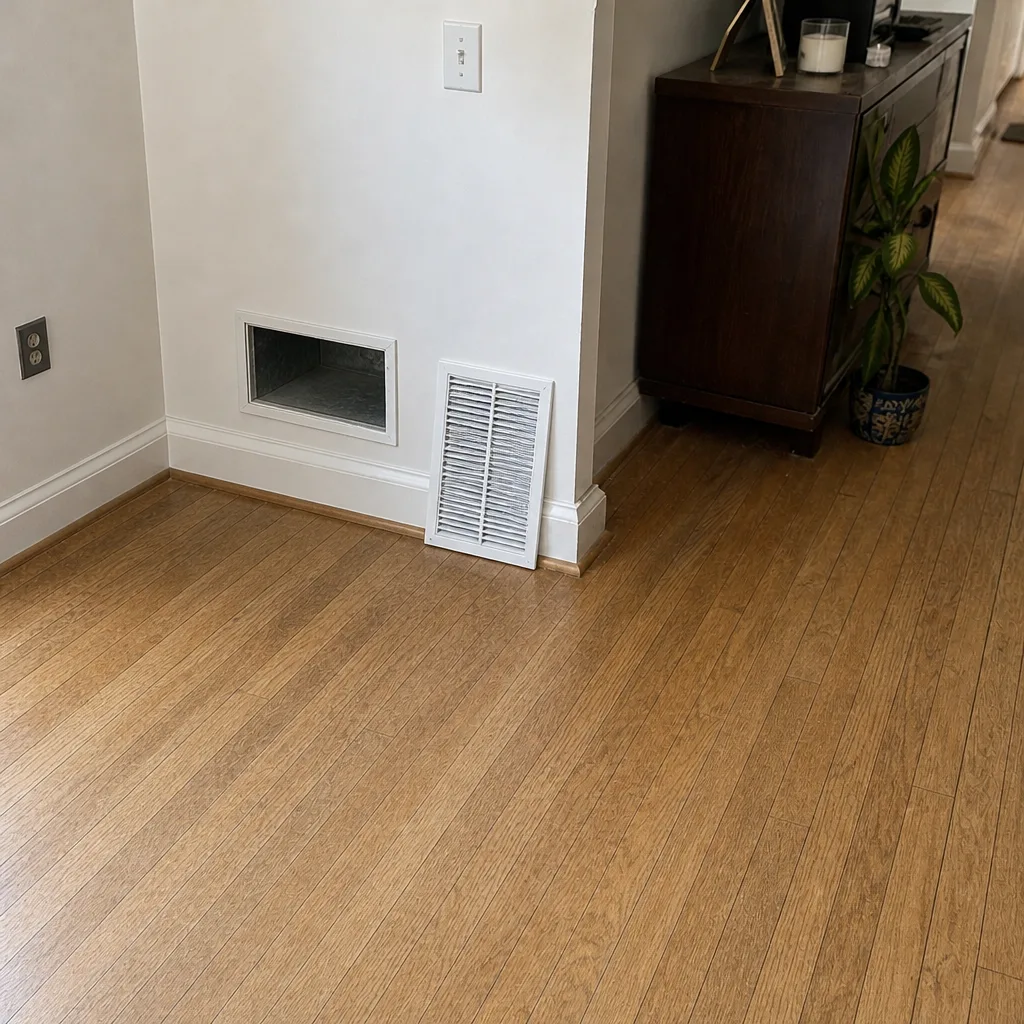
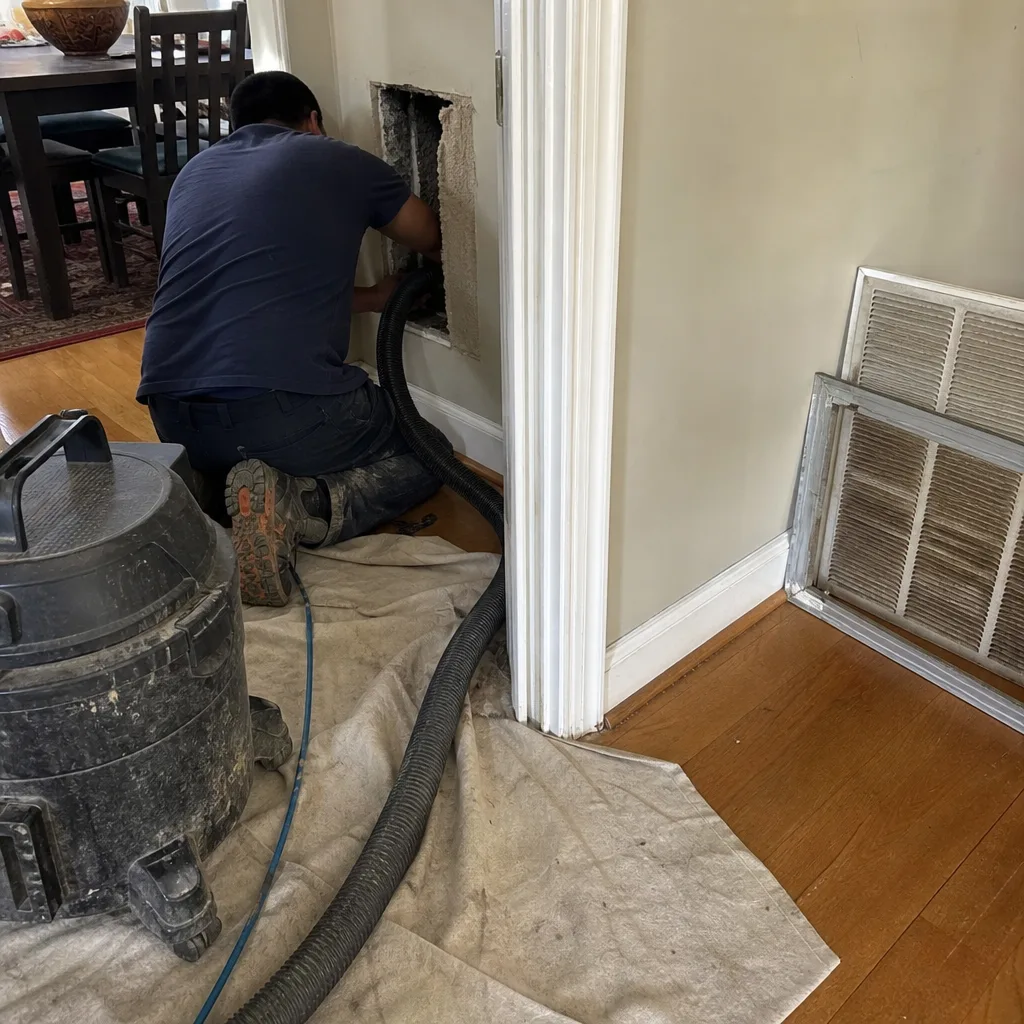
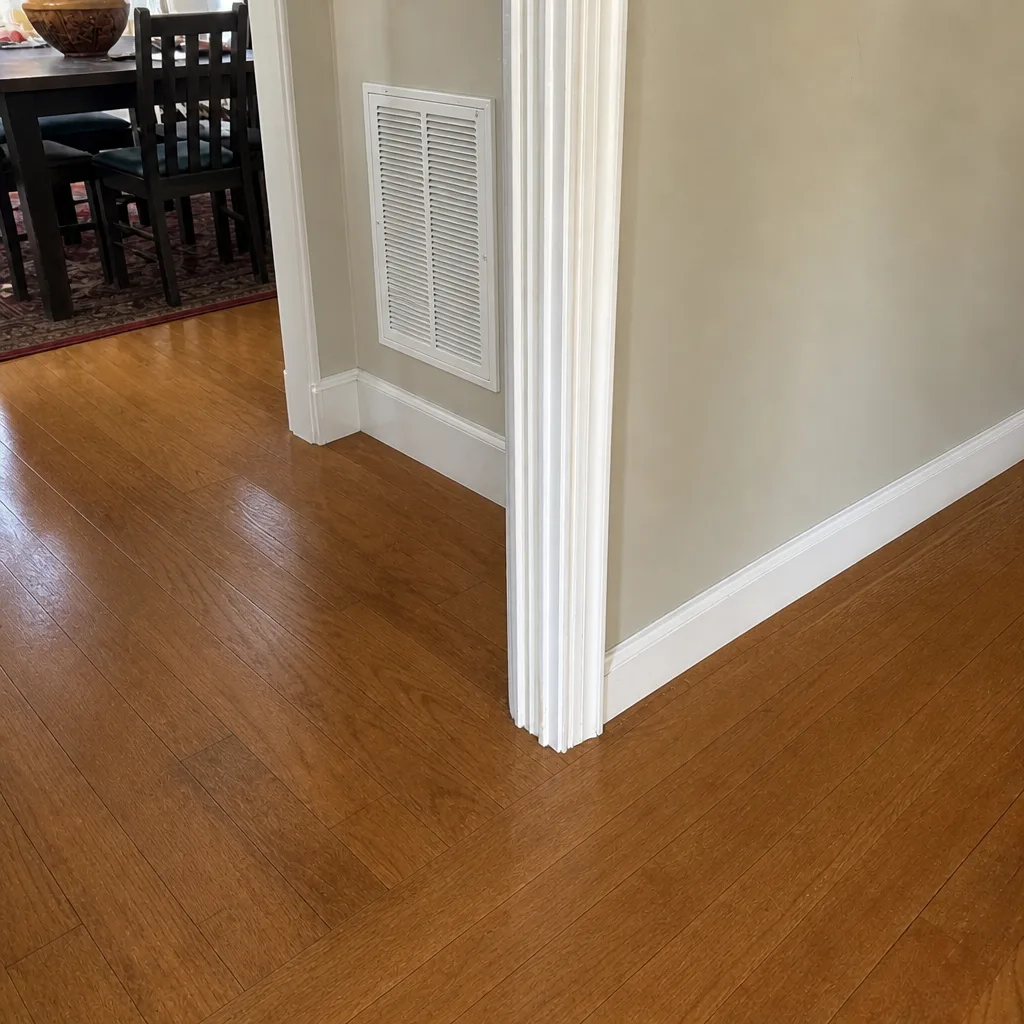
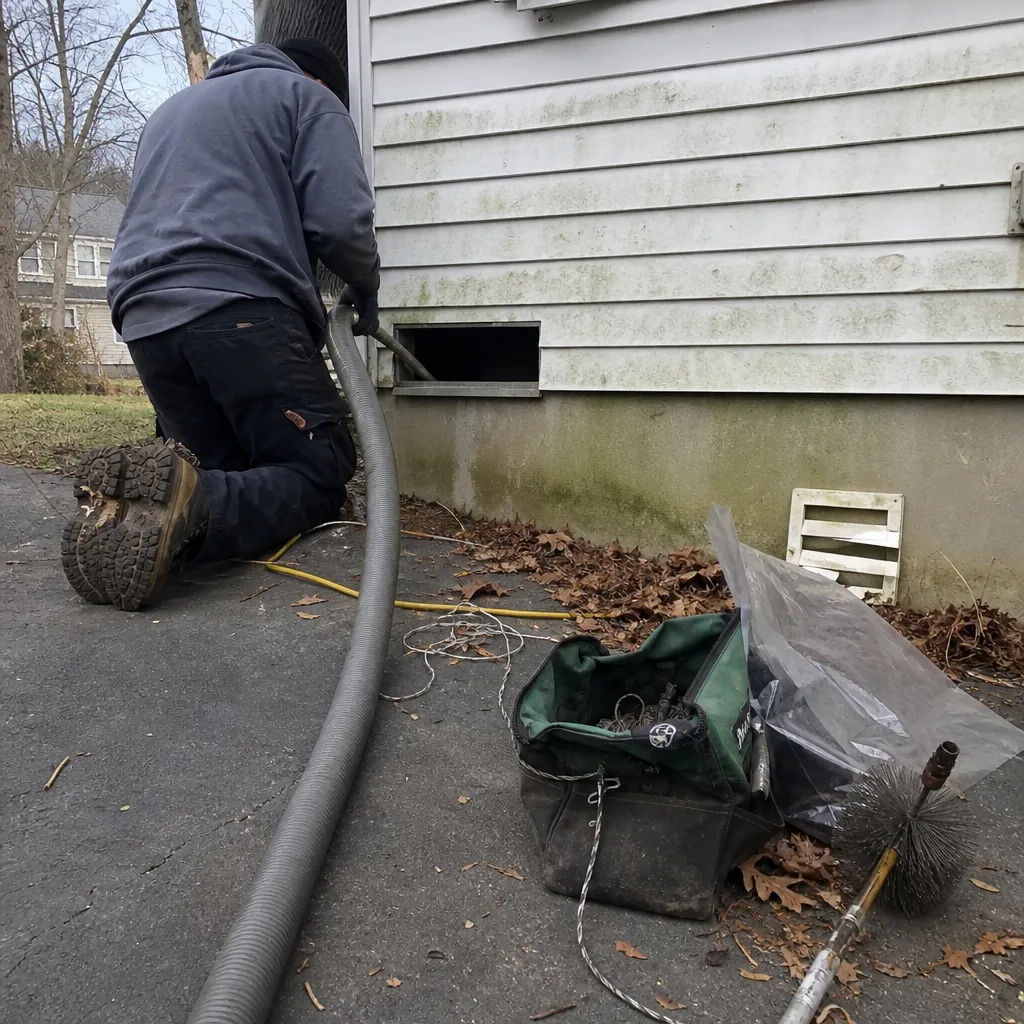
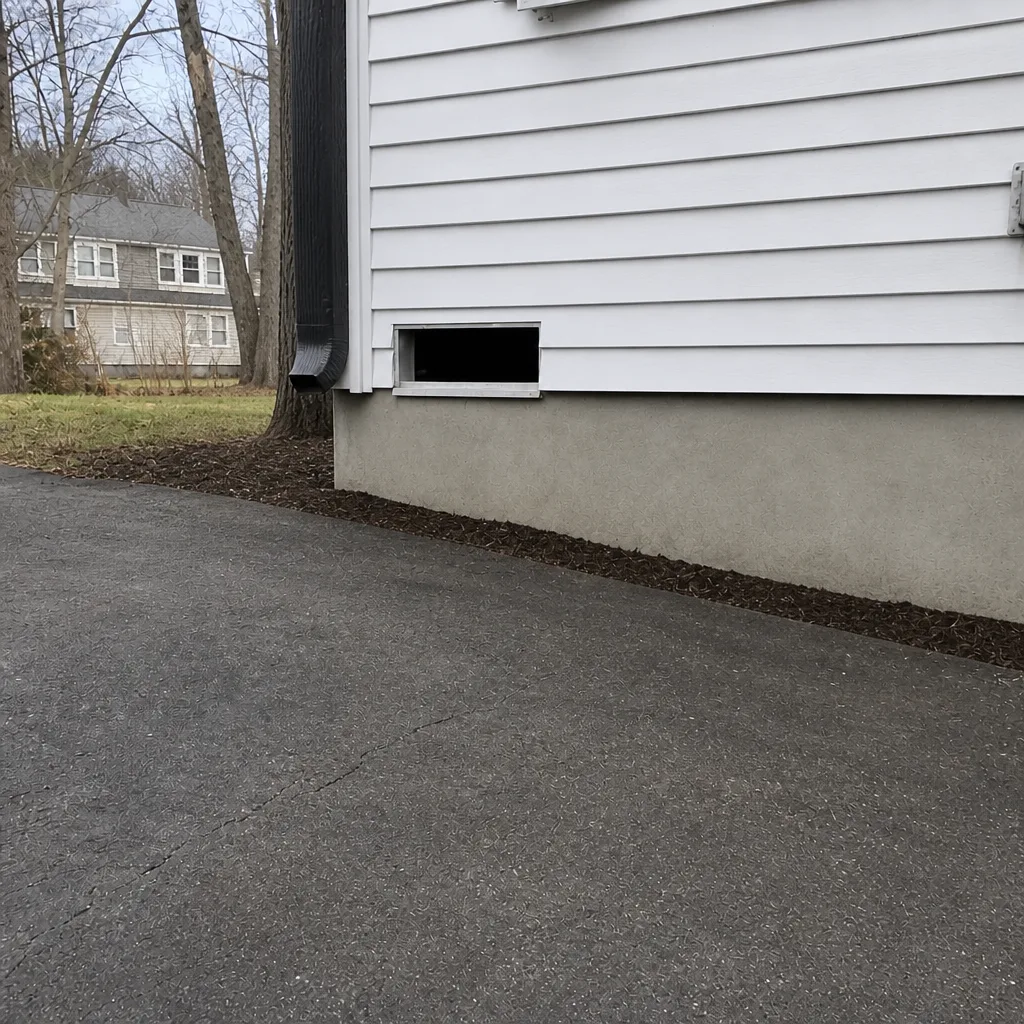
Whole-system duct and dryer vent check with before-and-after photos - you see exactly what came out of your vents
That "$99 whole-house special" is a bait ad - the real number appears once they are in your hallway, or the "clean" is a shop-vac at the register. We photograph the inside of your ducts before and after instead.
Air Duct Cleaning Emergency Preparedness Guide for Arlington Homes
After a house fire, your first instinct is to run the HVAC to clear the smoke smell. That is exactly the wrong move. Smoke, soot, water, storm debris, and pest waste all travel through the same duct runs your system uses every day, and running the fan pushes that contamination into every room before anyone realizes the duct system itself is compromised. Arlington homes sit in a humid Mid-Atlantic climate with mature tree cover and older housing stock, and the ductwork inside those homes reacts to fire, water, and outages in predictable ways. This guide covers what to do, and what not to do, when your ducts are caught up in an emergency.
Styles & brands we work with
- Whole-home duct cleaning
- Dryer vent cleaning
- Camera inspection
- Sanitizing & deodorizing
Quick Answer
Quick Answer: In a duct-related emergency in Arlington, shut down your HVAC system first and keep it off until the ductwork has been inspected. Then handle the source (fire, water, pests, storm debris), document everything with photos and a professional report, and only restart the system after professional cleaning and, where needed, Juniper Air Duct Cleaning-style full-system air duct cleaning restores the ducts to a safe, clean state. Post-emergency duct work is a different service category than routine cleaning, with different methods and different documentation.
Table of Contents
- After a House Fire: The First 24 Hours and the Duct System
- Flood and Water Intrusion: The 48-Hour Window That Matters
- Storm, Outage, and Power Loss Aftermath
- Pest Intrusion: What Cleaning Alone Won’t Fix
- Documenting Duct Damage for an Insurance Claim
- What to Photograph and What to Keep
- A Realistic Recovery Timeline
- Common Mistakes to Avoid
- When to Call a Professional
- Frequently Asked Questions
After a House Fire: The First 24 Hours and the Duct System
When a fire happens inside an Arlington home, the duct system becomes a network for smoke and soot to travel through. Soot is fine enough to pass through filters and light enough to be pushed by the blower into bedrooms, hallways, and closets that never saw a flame. The longer the system runs after a fire, the deeper that soot settles into duct walls, insulation, and the seams of the duct liner.
Soot doesn’t just discolor. It carries an oily, acidic residue that clings to metal and eats at duct liner over time. In our experience with post-fire duct work, what we find depends heavily on how quickly the system is shut off and how soon the ducts are cleaned afterward.
What to do in the first hours
- Shut the HVAC system off at the thermostat and at the breaker. Do not run the fan to “air out” the house. That is the single most damaging thing a homeowner can do after a fire.
- Do not attempt to run a portable air purifier or a box fan across the return vents. Pulling air through a contaminated return simply stirs the same debris.
- Photograph every room visible smoke traveled through. Note which supply and return vents show soot streaks or discoloration.
- Contact your insurer before cleaning crews arrive. Post-fire cleaning is usually a separate line item from general fire restoration, and the duct scope needs to be documented in the initial claim.
- Book a professional post-fire duct assessment. This is different from routine cleaning because it addresses soot on duct walls, contamination in the air handler plenum, and possible liner damage.
Why post-fire cleaning is a different service category
Routine duct cleaning is a debris and dust removal job. Post-fire cleaning has to address oily soot residue clinging to surfaces, contamination forced into supply registers and the return plenum, and the possibility that heat or smoke has degraded flexible duct sections. That work calls for HEPA-rated containment during the cleaning, which is why we use Nikro HEPA equipment on post-fire and remediation work rather than a shop-vac setup. For homes where ductwork itself was damaged, we handle the Arlington duct repair and diagnosis work that closes the loop from assessment to a completed fix.
If you’re unsure whether you’re dealing with a routine cleaning or a post-fire scenario, don’t guess. Shut the system off and get eyes on the ductwork before turning anything back on.
Flood and Water Intrusion: The 48-Hour Window That Matters
Water and ductwork do not mix, and the clock starts the moment the water recedes. In the humid Mid-Atlantic climate, mold can begin growing on damp duct surfaces within roughly 48 hours of water exposure. In Arlington’s older housing stock, where duct runs often cross basements, crawlspaces, and first-floor framing, a burst pipe, sump failure, or storm-driven intrusion can splash water into those runs without anyone seeing it.
How to tell if water reached your ducts
- Water stains or rust rings on the exterior housing of the air handler or furnace
- Visible water marks at the bottom of a supply register or return grill
- Damp insulation wrapped around duct runs in the basement or crawlspace
- A musty smell that appears at vents after the water has been cleaned up
- Condensation or drips from the duct chase on the first floor
If any of those show up, treat the duct system as affected. That means keeping the HVAC off and calling a professional assessment rather than waiting to see if it dries on its own.
How flood-affected ducts are handled
Water-intruded ducts need more than a run-through cleaning. The process typically includes removing and disposing of saturated insulation, HEPA-contained vacuuming of the runs to lift settled mold spores and silt, contact cleaning of the duct walls with a Rotobrush system to scrub surfaces rather than just blow air through them, and assessment of whether a section of duct needs replacement. Once the ducts are clean and dry, an IAQ system like a Honeywell or Aprilaire component may be advisable to keep filtration working at the level the household needs.
Do not seal the ducts back up or turn the system on while any dampness remains. The 48-hour mold risk window applies until the ducts are confirmed dry by more than a visual pass. Professional moisture readings and a written report after cleaning are the reliable proof a homeowner needs, and the same proof an insurer will ask for.
Storm, Outage, and Power Loss Aftermath
A summer thunderstorm or a winter ice event knocks out power across Arlington for hours or days, and each outage comes with two consequences for the duct system. The first is what comes in from outside. The second is what happens inside when the system goes quiet.
Debris infiltration at outdoor units
Outdoor condenser units sit at ground level, and storm winds drive leaf litter, pollen, dirt, and fine grit into the unit’s coil fins and around the refrigerant lines. Most of that stays outside the home, but debris near the air intake and return paths can work its way into the return plenum over time. After a major storm:
- Clear any visible debris from the top and sides of the outdoor unit before restarting the system.
- Check that the return vents inside the home are free of dust, pollen film, and any debris that blew in through open windows or doors.
- If the home lost windows or doors during the storm, treat the duct system as potentially exposed and get an inspection before restarting the HVAC.
- Look for standing water or soaked insulation around any duct runs following heavy rain.
Extended HVAC downtime and mold risk
With the system off during an extended outage, condensation can build inside the ductwork and air handler, especially in the humid summer months when indoor air is still carrying moisture. On the first restart after a multi-day outage, expect a musty smell at some vents. A faint odor that clears in a few minutes is usually condensation on return-coil surfaces. A persistent odor that doesn’t fade points to mold growth on duct walls or in the air handler lining, and it’s worth a professional inspection before continuing to run the system.
Homeowners who run dehumidifiers and open interior doors during outages tend to see fewer of these problems afterward. It’s a small step that pays off on the restart.
Pest Intrusion: What Cleaning Alone Won’t Fix
Rodents, squirrels, birds, and certain insects treat a duct run as a tunnel, and once they’re inside, cleaning by itself won’t solve the problem. Arlington’s tree canopy and older homes with gaps at the roofline or at foundation penetrations give rodents exactly the access they need, particularly in the late fall and early spring when they’re seeking warmth or nesting space.
What cleaning addresses and what it doesn’t
Professional cleaning removes rodent droppings, nesting material, hair, casing debris, and insect residue from the duct interior. That step is essential for a hygienic result. What cleaning does not do is stop the next intruder from getting in. That requires inspection, sealing of access points, and, in some cases, replacement of the damaged duct section itself.
What pest intrusion typically requires beyond cleaning:
- Inspection of the full duct system, including attic runs and any connection the pest used to enter.
- Sealing of the access point at the roofline, crawlspace, or foundation gap the pest exploited.
- Air duct repair if a flexible duct section was chewed through or if a rigid connection came loose during the intrusion.
- Re-insulation of any duct section where the insulation wrap was saturated with urine, gnawed, or torn. Insulation in that condition is not cleanable and needs to come out.
If you hear scratching inside the walls near a supply vent, or you find droppings around a return grill, don’t run the system. Keep the fan off, book an inspection, and let the assessment drive the next step. We handle the Arlington duct repair side of this work alongside cleaning, so a single visit covers the full picture instead of leaving you with a cleaning report and a still-open access point.
Documenting Duct Damage for an Insurance Claim
Insurance adjusters approve claims based on evidence, and duct-related damage is one of the areas where evidence is easiest to miss. Because the ducts are hidden, a homeowner who doesn’t document the system during the emergency can find that the duct portion of a claim is denied for lack of proof. That’s avoidable.
What adjusters typically need to see:
- Photographs of every vent that shows soot, water staining, discoloration, or pest residue, with the vent open and the duct interior visible where possible.
- Photographs of the air handler and furnace, including the exterior housing, filter access, and any visible water or soot streaks.
- A written scope from a duct professional describing the condition found, the category of contamination (fire, water, pest, debris), and the recommended cleaning and repair work.
- Photographs of any damaged duct sections, especially where insulation is saturated or a flexible run has been chewed through.
- Moisture readings taken before and after cleaning for any water intrusion claim.
- Before-and-after photos documenting the cleaning itself, so the claim shows the work was completed and not just proposed.
Weather events in the Washington DC area tend to produce claims where the duct cleaning line is bundled into the general restoration scope. Getting a professional report soon after the event keeps that line visible and gives the adjuster a clear decision to make. Ask the professional you work with to include the category of contamination and the equipment used in their report; that level of detail is what makes the difference.
What to Photograph and What to Keep
Documentation is a habit worth building before an emergency happens, and that habit makes claims far easier when one does. In our experience, the Arlington households that come through an emergency claim cleanly are the ones who kept a small file on their duct system all along.
What to keep on hand:
- A note of which service or system cleaned the ducts last time, and when
- Photos of the duct system at each return and supply vent (these serve as “before” photos if an event happens later)
- The air handler model and filter size, so replacements are fast
- A record of any prior duct repair or IAQ equipment already installed
After an emergency, add the professional’s written scope, the moisture readings, and the before-and-after photos to that same file. In claims where the ducts are involved, this file is the difference between a smooth approval and a back-and-forth the homeowner doesn’t need.
A Realistic Recovery Timeline
What does duct recovery after an emergency look like in practice? Here’s the sequence we generally describe to Arlington homeowners so they know what to expect.
- Day 1: Shut the HVAC system off. Document with photographs. Contact your insurer.
- Day 1 to 3: Professional assessment of the duct system with a written scope and, where relevant, moisture readings.
- Day 2 to 7: Cleaning with HEPA-rated containment and contact cleaning of the duct walls, plus repair of any damaged sections.
- Day 7 to 14: Final inspection, re-test the system, confirm the ducts are dry and clean, and get the before-and-after documentation delivered to you.
- Week 2 onward: Re-start the HVAC system on its normal schedule. If IAQ equipment was recommended (Honeywell, Aprilaire, or similar), plan installation as the follow-up step.
Timelines stretch for larger restoration projects and for homes waiting on insurance approval. The important part is holding the sequence: off, documented, assessed, cleaned, repaired, then back on.
Common Mistakes to Avoid
- Running the HVAC to “clear the air” after a fire. This is the single biggest error. The fan pushes soot into every room and drives it deeper into duct walls before cleaning has a chance to remove it.
- Skipping professional documentation to save the expense. Insurers can deny duct claims without proof of condition. Paying for a written scope is often what saves the claim.
- Assuming a wet duct will dry on its own. In Arlington’s humid months, that assumption is where mold problems start. Ducts need active drying and confirmation, not hope.
- Treating pest intrusion as a cleaning-only problem. Without sealing the access point and repairing damaged duct sections, cleaning is undone by the next intrusion.
- Hiring a shop-vac-only duct cleaner for post-emergency work. Post-fire, post-flood, and post-pest cleaning require HEPA containment to avoid spreading contamination. A basic vacuum cannot do that.
- Restarting the system on a musty smell and ignoring it. A persistent odor at the vents after an outage or water event usually points to contamination that needs more than a filter change.
- Not keeping before-and-after photos. Documentation is what separates a smooth claim from a slow one, and it also gives the household a record for future buyers or renters.
When to Call a Professional
Some duct problems are routine cleaning issues. Others need a professional visit immediately. Call a professional if any of the following apply: you’ve had a fire in the home, water reached the ducts or the air handler, you’ve seen or heard pests in the walls near vents, the system has been off for several days during humid weather, or there’s a persistent musty odor at the vents that comes back after a filter change. Also call if your insurer has asked for a duct assessment, if you’re preparing a claim, and if the ducts haven’t been cleaned after major renovation dust. For anything involving restoration-grade cleaning, insist on HEPA-rated containment and contact cleaning, not a shop-vac pass.
Juniper Air Duct Cleaning offers free estimates in Arlington. Call (844) 932-0326. We answer 24/7. Fast dispatch from 7am to 7pm, Sunday through Friday. Dryer vent cleaning is also part of the same fire-safety focus, and it’s worth scheduling alongside a post-emergency duct assessment if the dryer vent hasn’t been checked.
Frequently Asked Questions
No. Keep the system off and shut the fan down at the thermostat and breaker. Running the HVAC after a fire pushes soot and smoke residue through the entire duct network and into every room, making cleanup more extensive and more expensive. Leave the system off until a professional has assessed the ductwork.
Roughly 48 hours. Mold can begin growing on damp duct surfaces within that window in Arlington’s humid climate, so a water intrusion that reached the ducts should not wait. Keep the HVAC off, arrange for a professional drying and cleaning assessment, and document moisture readings before and after the work.
Often yes, when the ducts are shown to be contaminated by the covered event (fire, water, storm), and when professional documentation proves the condition. Routine duct cleaning is usually not covered because it’s maintenance. Get a professional scope and before-and-after photos, and submit them with the claim so the adjuster has clear evidence to act on.
Routine cleaning removes accumulated dust, debris, and lint from the duct system. Post-emergency cleaning addresses soot residue after fire, mold spores and silt after water intrusion, or pest contamination after an animal event, and it uses HEPA-rated containment (we run Nikro HEPA equipment) plus contact cleaning of duct walls with a Rotobrush system. The equipment and the reporting are different because the contamination is different.
Photos are necessary but a written report is what adjusters need to approve the duct portion of a claim. The report describes the contamination category, the condition found, the recommended work, and the equipment used, and it’s strongest when paired with moisture readings and before-and-after photos.
Extended downtime in humid Arlington weather allows condensation to build inside ductwork and the air handler. A faint smell that clears in minutes is usually condensation. A persistent musty smell that lingers after the system has run points to mold growth on duct lining or in the air handler, and it warrants a professional inspection before the system keeps running.
No. Cleaning removes droppings, nesting material, and hair, but pests return unless the access point is sealed and any chewed or damaged duct sections are repaired or replaced. Insulation saturated with urine usually needs replacement, not cleaning. Look for a provider who handles cleaning, sealing, and duct repair under one visit.
The Bottom Line
After a fire, flood, storm, or pest event, the duct system needs to be treated as part of the emergency, not as an afterthought. The sequence is the same every time: shut the HVAC system off, document the condition, get a professional assessment, clean with HEPA-rated containment and contact cleaning, repair what needs repairing, then turn the system back on only after it’s confirmed clean and dry. In Arlington’s humid climate and older housing stock, the 48-hour mold window and the value of professional documentation are the two points that matter most. When the duct system is in the middle of someone else’s crisis, that’s when the right equipment and the right sequence matter most.
Juniper Air Duct Cleaning’s technicians have up to 11 years of experience with post-emergency duct work. We handle duct cleaning, duct repair, and dryer vent cleaning as a connected service, and we bring Rotobrush contact-cleaning equipment and Nikro HEPA systems to every job. Call (844) 932-0326 for a free estimate. We answer 24/7. Fast dispatch from 7am to 7pm, Sunday through Friday.
Written by the team at Juniper Air Duct Cleaning.
See the difference
 Before
 After
 Before
 After
 Before
 After