
Last updated November 15, 2026
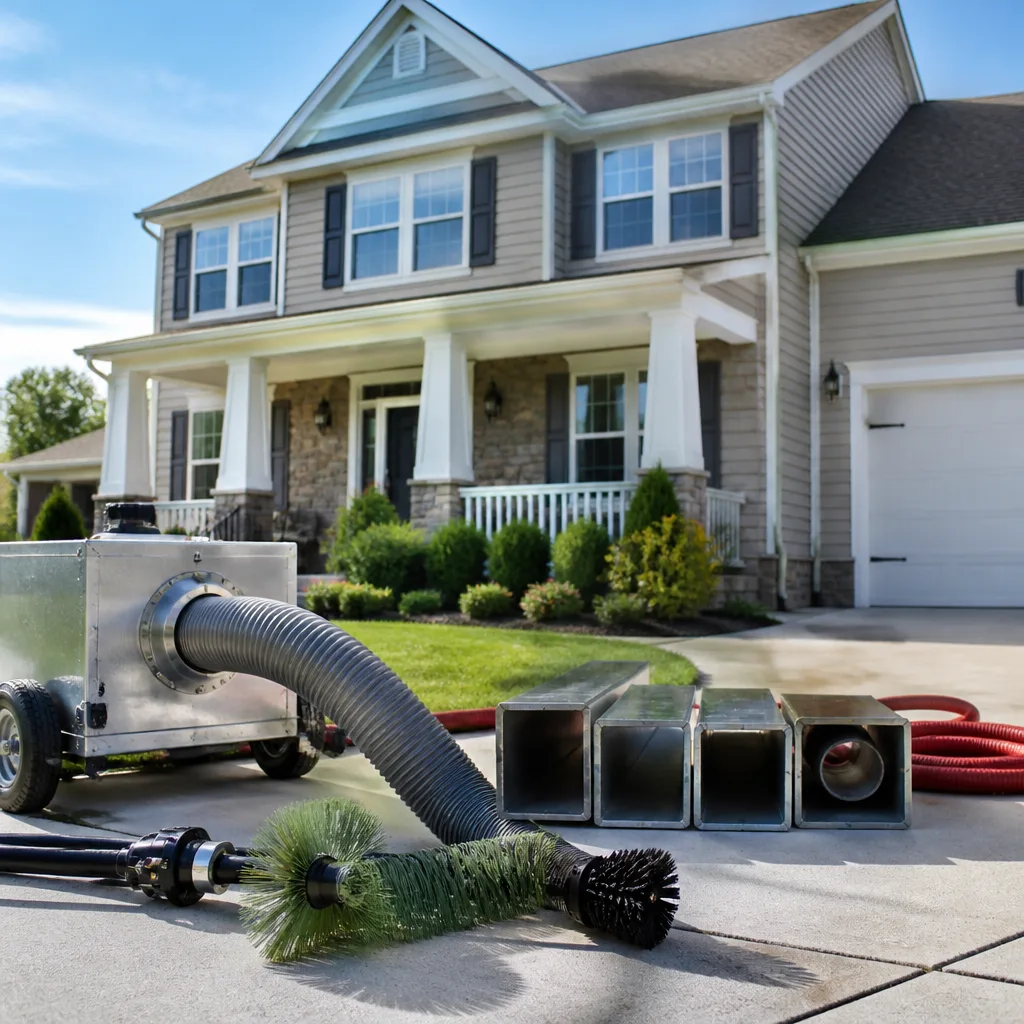 Whole-home duct cleaning
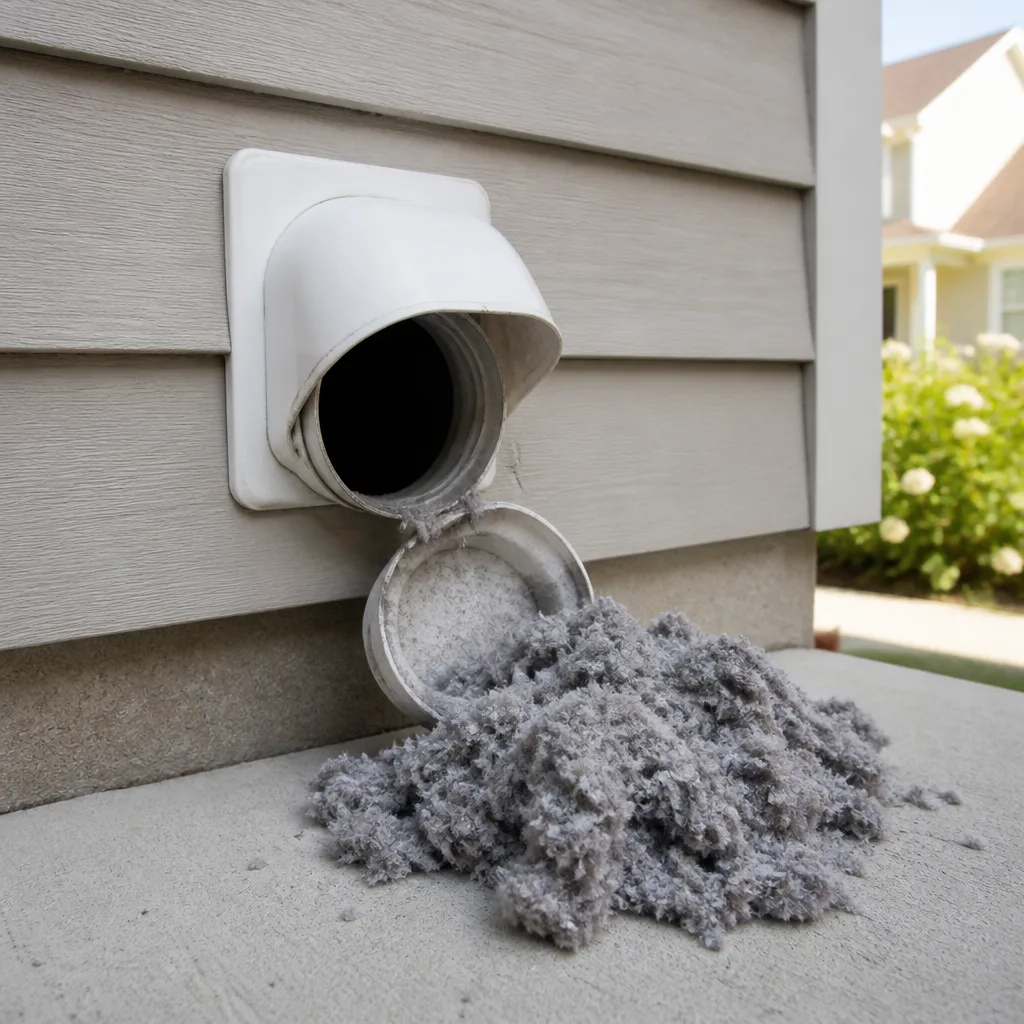 Dryer vent cleaning
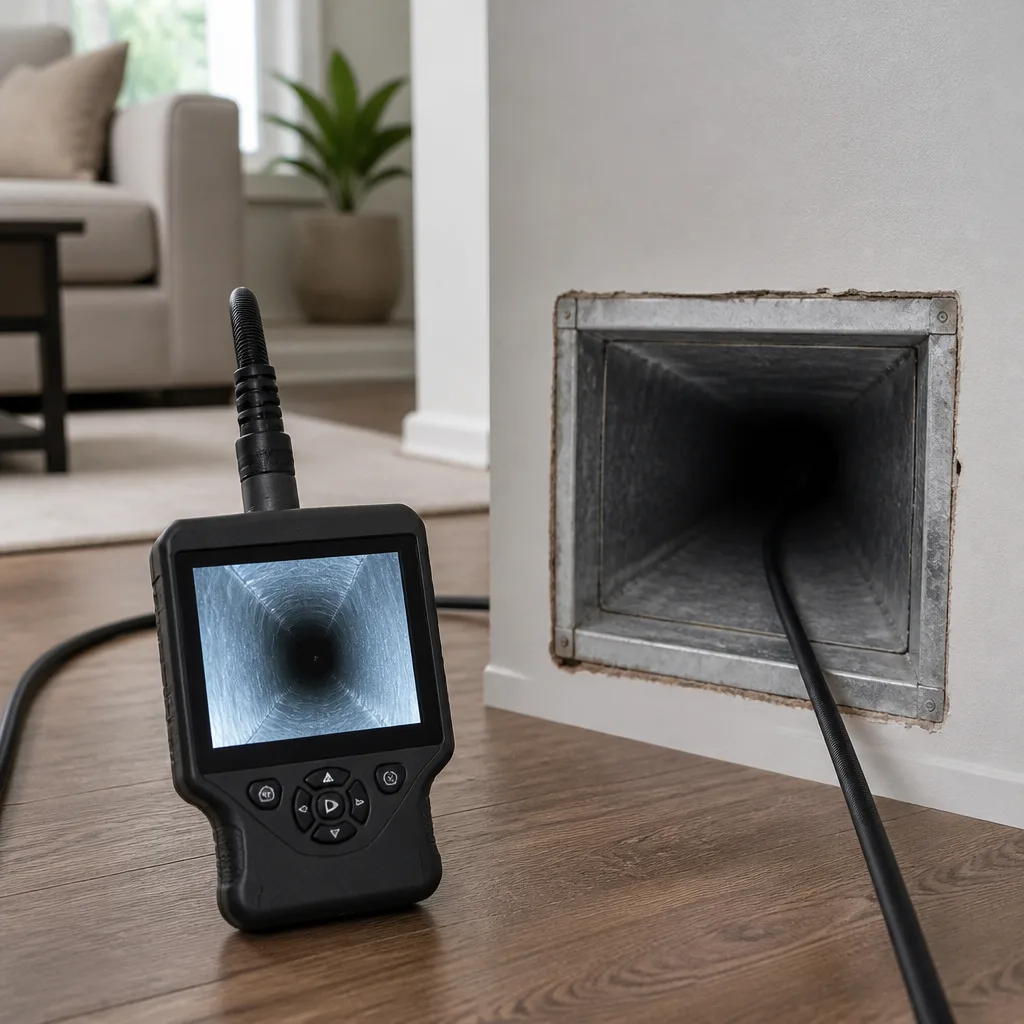 Camera inspection
 Sanitizing & deodorizing
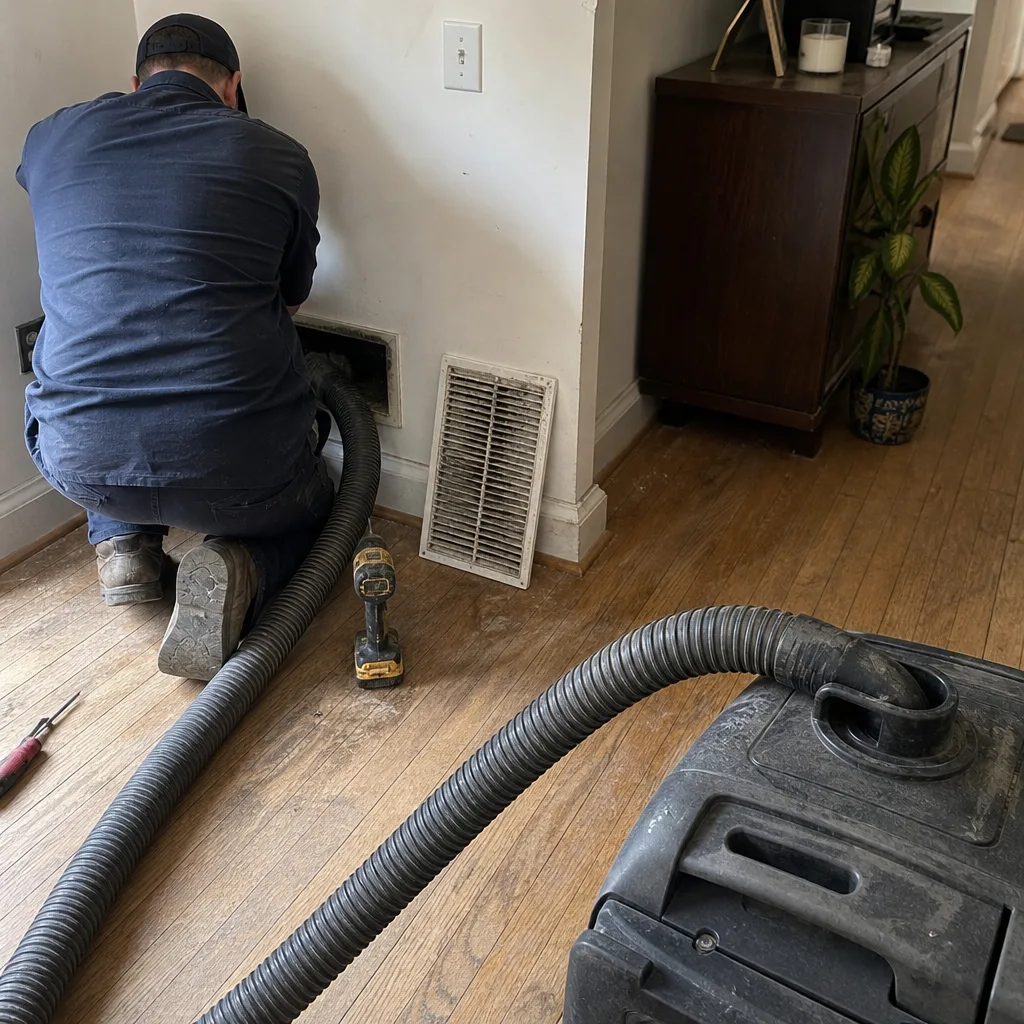
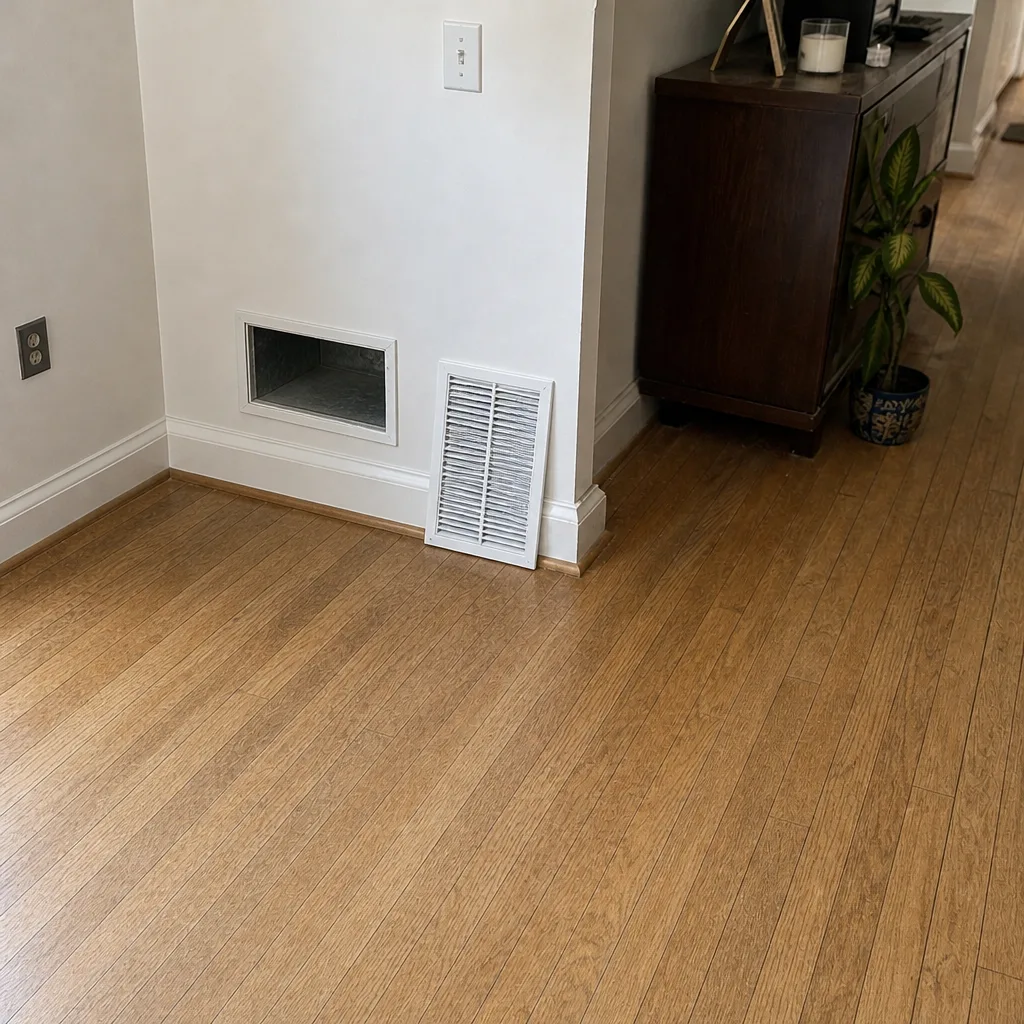
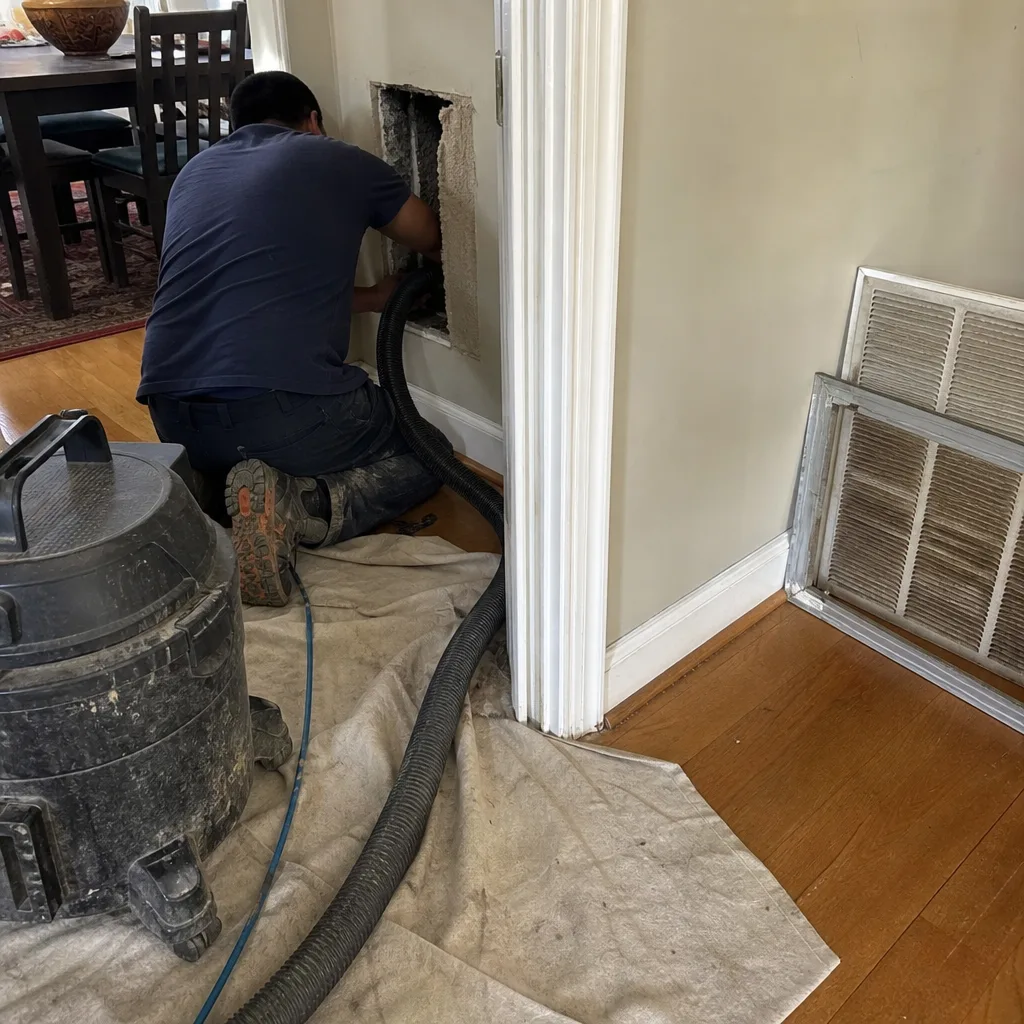
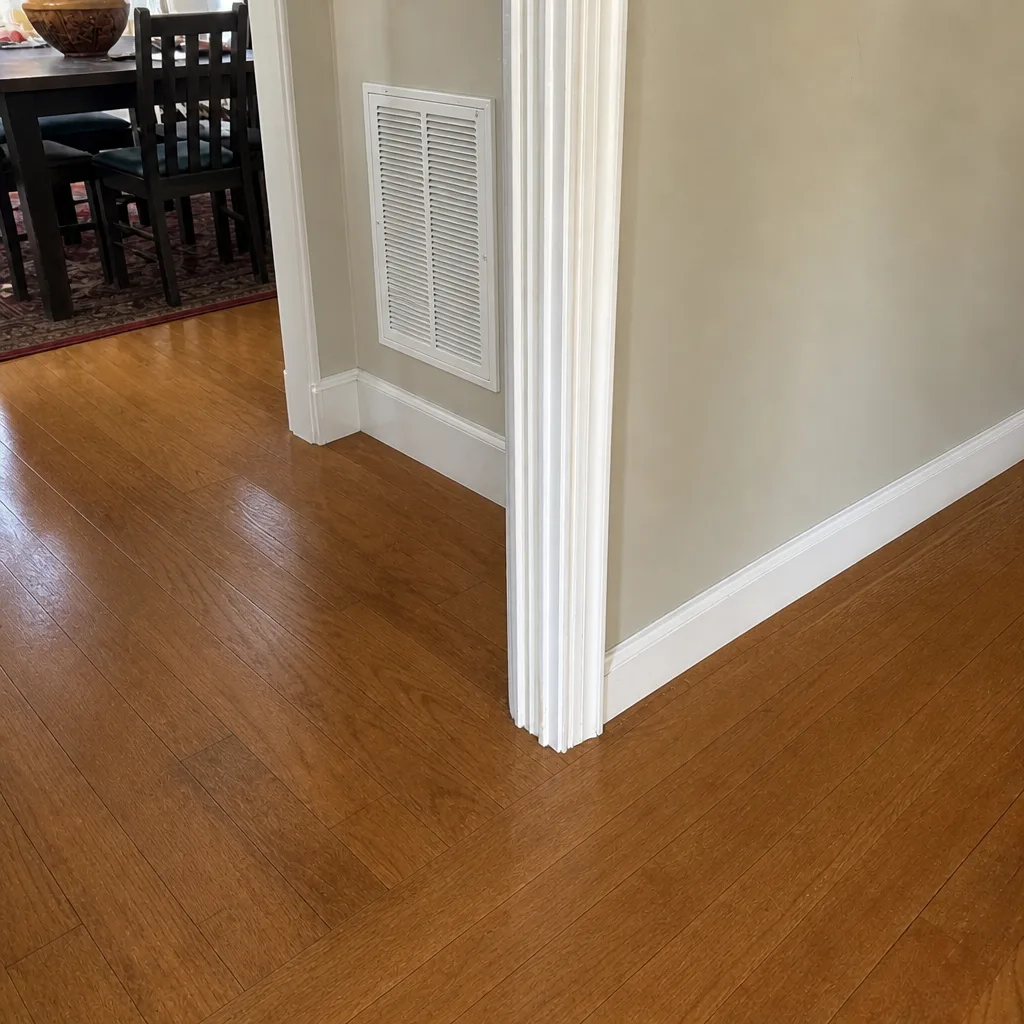
Whole-system duct and dryer vent check with before-and-after photos - you see exactly what came out of your vents
That "$99 whole-house special" is a bait ad - the real number appears once they are in your hallway, or the "clean" is a shop-vac at the register. We photograph the inside of your ducts before and after instead.
Seasonal Air Duct Cleaning Care for Arlington: Year-Round Homeowner’s Guide
Most homeowners treat duct cleaning as a once-and-done chore, something to schedule when the vents look dusty or the house starts feeling stuffy. That approach almost always gets the timing wrong. In Arlington, your duct system faces two opposite problems in the same twelve months: a humid summer that pushes moisture into places it shouldn’t sit, and a winter that runs a heat pump hard enough to stress airflow in ways cooling season never does. The allergens and debris that build up in spring and fall add another layer on top. This guide walks you through what’s actually happening inside your system month by month, what to check at each turn, and how to build a maintenance rhythm that keeps the whole thing breathing without over-servicing it.
Quick Answer
Arlington sits in a mixed-humid climate zone, so air duct care here is a year-round rhythm rather than a single annual event. The highest-value professional cleaning window is late spring, right after pollen season peaks, followed by a pre-heating inspection in early fall. Between those two service points, homeowner checks at return grilles, registers, and the outdoor unit handle most of the rest.
Styles & brands we work with
- Whole-home duct cleaning
- Dryer vent cleaning
- Camera inspection
- Sanitizing & deodorizing
Table of Contents
- Why Arlington’s Climate Puts Your Ducts Through Two Opposite Seasons
- Spring: The Highest-Value Cleaning Window in Arlington
- Summer: Humidity, Cooling Coils, and Mold-Favorable Conditions
- Fall: Pre-Heating-Season Inspection Before the First Heat Cycle
- Winter: What Heating Cycles Reveal That Cooling Season Hides
- How to Build a 12-Month Maintenance Rhythm
- Your Arlington Seasonal Checklist at a Glance
- When Routine Care Isn’t Enough
Why Arlington’s Climate Puts Your Ducts Through Two Opposite Seasons
Arlington’s position in the mixed-humid climate zone is the single most useful fact for planning duct care. That designation means humid summers, cold winters, and real swings in between. For a duct system, the practical effect is this: the same network of sheet metal or flex duct has to handle moisture-laden air in July and bone-dry heated air in January, and each pushes the system in a different direction.
Summer gives you moisture. A cooling system pulls humidity out of the air as it conditions it, and that condensate has to go somewhere. When the drain is slow, the coil is dirty, or the duct liner stays damp, you get the conditions mold needs. Winter gives you dry-out. A heat pump running through a cold Arlington winter moves a large volume of heated air for hours, and any ductwork with loose joints, undersized returns, or crushed flex runs will show its weaknesses under that load. The house feels cold in one room and fine in another, and no amount of thermostat adjustment fully fixes it.
What ties these together is that both problems hide. You don’t see the coil, and you can’t see inside the trunk line. This is why seasonal monitoring matters more than a panicked call after something goes wrong. In our experience, the homes that stay comfortable through both seasons are the ones where someone is looking at the system on a schedule, not waiting for a symptom big enough to notice.
The Arlington housing stock adds its own wrinkle. A lot of the region’s homes have been through partial HVAC retrofits over the years, which means duct systems sometimes mix older rigid ductwork with newer flex runs spliced into place. Those junctions are where airflow and leakage issues cluster, and they’re exactly why an inspection in fall and a cleaning in spring catches more than a single yearly visit would.
Spring: The Highest-Value Cleaning Window in Arlington
Late spring, right after pollen season peaks, is the highest-value window for professional air duct cleaning in Arlington. Here’s why: the system has just spent weeks pulling tree and grass pollen, fine dust, and outdoor debris through the returns and depositing it along the interior surfaces of the ductwork. Clean it out after that loading has peaked and before summer’s humid cooling season starts, and you’re starting the hard-working months with a clean system instead of a loaded one.
What builds up during spring isn’t just visible dust. Pollen particles are small enough to travel deep into the system and settle on the coil and in the duct liner. Once they’re sitting there, summer humidity gives them a place to clump and hold moisture. Cleaning before that happens is the difference between a system that dries out fast and one that stays damp.
Homeowner tasks in spring are simple and mostly about observation:
- Pull the return grille covers and look at the interior. A light, even dust film is normal; matted buildup, visible debris, or a musty smell is a signal to schedule service.
- Check supply registers in every room. Uneven dust patterns often point to a specific run that’s leaking or disconnected.
- Look at the outdoor condenser unit. Clear away leaves, grass clippings, and any debris piled against the coils.
- Replace the filter and note the date. Spring pollen load means filters clog faster than in winter.
- Walk the basement or crawlspace where duct runs are visible and look for sagging flex duct, disconnected joints, or crushed sections.
When spring cleaning is on the calendar, we use Rotobrush contact-cleaning equipment that scrubs the interior surfaces of the duct and pulls the loosened material into a Nikro HEPA-rated containment system, so the debris comes out of your house rather than settling back into your living space. That’s the same grade of equipment commercial contractors run, scaled for a home. If you want to understand what that process involves in detail, our air duct cleaning page covers the full method.
Summer: Humidity, Cooling Coils, and Mold-Favorable Conditions
Arlington’s summer humidity is the single biggest factor in whether duct interiors stay healthy or turn into a damp environment. When a cooling system is running regularly, the indoor coil stays cold and wet, and the condensate pan and drain line carry moisture away. When anything interrupts that flow (a slow drain, a dirty coil, a system that short-cycles), moisture lingers. Duct liner, which is often fiberglass-faced, holds that moisture and becomes a favorable surface for mold growth.
The warning signs are specific and worth learning:
- A musty or “basement” smell that appears when the air conditioning first kicks on, then fades.
- Visible moisture or staining around the air handler, condensate pan, or drain line.
- Cooling that feels weaker in one part of the house than another, especially upper floors.
- Condensation on supply registers or duct surfaces in humid weather.
- Increased allergy or respiratory irritation in the household that tracks with cooling season.
None of these on their own proves a mold problem, and we’re careful about that framing. What they do tell you is that the system is holding moisture somewhere it shouldn’t be. That’s the point to have someone look, not the point to panic.
Summer homeowner tasks:
- Check the condensate drain line monthly by confirming water is actually flowing out. A wet-vac on the drain stub clears most simple clogs.
- Keep the filter clean. A restricted filter means a colder, wetter coil.
- Set the thermostat to a consistent temperature rather than letting the house swing high and low; steady operation keeps the coil drier.
- Look at the duct runs in unconditioned spaces (attic, crawlspace, garage). Condensation forming on duct surfaces there is a warning sign.
- If your home has a whole-house dehumidifier or an Aprilaire or Honeywell humidity control, verify it’s set appropriately for summer and functioning.
If you’re noticing musty smells or uneven cooling and want the system looked at, our team at Juniper Air Duct Cleaning can assess the ducts and the coil housing. We don’t do HVAC repair or mold remediation, but we can tell you whether the duct system is part of the problem and what it would take to correct it.
Fall: Pre-Heating-Season Inspection Before the First Heat Cycle
Before you switch the thermostat to heat mode for the first time, do a proper pre-season inspection. Fall is when most of the airflow problems that winter will expose are still easy to catch and inexpensive to address. Catching a disconnected duct or a crushed flex run in October is a very different thing from discovering it in January when the upstairs bedrooms won’t warm up.
Here’s the fall inspection sequence we recommend:
- Walk the duct system where it’s visible. Look for separated joints, sagging flex, crushed or kinked sections, and any duct pulled loose from a register boot. These are the most common airflow killers in Arlington area homes with retrofitted systems.
- Check the outdoor unit for leaf and debris infiltration. Fall leaves and grass clippings collect against the heat pump cabinet and coils. Clear the perimeter and check that airflow across the coil isn’t blocked.
- Confirm return air paths are unobstructed. Furniture, rugs, and stored boxes against return grilles are a common cause of low airflow that shows up in heating season.
- Look inside a few return grilles. If summer left a dust film that’s now dried and clumping, that’s a sign the system is due for service.
- Schedule the pre-heating inspection if you didn’t schedule a spring cleaning. If you’re going into winter with a system that hasn’t been cleaned since the previous year, this is the window to fix that.
- Test the system in heat mode on a mild day. Run it for 15 to 20 minutes and feel the supply registers in each room. Warm air at every register is what you want to confirm now, not in December.
The fall window matters because heating season in Arlington is where latent airflow problems declare themselves. If you have a heat pump with a variable-speed air handler, it’s particularly important because the system will run longer and at lower output through the colder months, and undersized or leaking return ducts create pressure imbalances that make the house feel cold even when the system is working correctly.
Winter: What Heating Cycles Reveal That Cooling Season Hides
Heating cycles reveal airflow problems that cooling mode quietly covers up. There are a few reasons. First, heating season runs the system longer and at higher output than cooling season, so any restriction in the ductwork gets taxed harder. Second, heating air is drier, and the way dry heated air feels through a ducted system is much more sensitive to leaks and pressure imbalances than cool air. Third, a heat pump in heating mode has different operating characteristics than it does in cooling, and the duct system interacts with those differently.
When winter reveals a duct problem, the signals look like this:
- Rooms that never quite warm up while others overheat.
- Cold air coming from supply registers when the heat is running.
- Static shocks and very dry air in the house, often worse in some rooms than others.
- Whistling or rushing sounds at registers or from the air handler closet.
- A system that runs longer than it used to for the same temperature.
How to read these signals: uneven heating is usually about airflow balance, not about the heat pump itself. A room that gets weak airflow from its supply register can’t warm evenly no matter what the system is doing. Cold air from a supply register while the heat is running can point to a disconnected duct run in an unconditioned space pulling in cold attic or crawlspace air. Whistling usually means a pressure problem: either a return duct that’s undersized or a supply run that’s restricted. Very dry air is a winter baseline in the Arlington climate, but a house that gets dramatically drier in certain areas can indicate leaks that are pulling in cold dry air from outside.
Winter tasks are mostly about not ignoring these signals. Keep filters changed on schedule, and note which rooms feel wrong. That information makes any professional visit more efficient.
When winter heating cycles expose a genuine duct problem (a disconnected run, a crushed flex section, or a return that’s restricting flow), we can repair it. Our duct repair service closes the loop from diagnosis to fix rather than just reporting problems and leaving the homeowner to find someone else. That’s a combination worth having on your side going into a heating season.
How to Build a 12-Month Maintenance Rhythm
The trap most homeowners fall into is over-servicing in one direction or under-servicing in the other. Either they schedule cleaning every few months because they’re worried, or they go three or four years without ever touching the system. Neither is right for Arlington’s climate.
What works is a rhythm that staggers homeowner tasks against professional service, with the professional piece anchored to the two highest-value climate windows: post-pollen in spring and pre-heating in fall. Everything between is observation and filter management.
Here’s the twelve-month structure we recommend:
- March-April (early spring). Replace filter, check return grilles, and schedule your professional air duct cleaning for late spring. Confirm the outdoor unit is clear of winter debris.
- May-June (post-pollen window). Professional cleaning happens here. This is the highest-value service point of the year.
- July-August (peak humidity). Monthly condensate drain check, filter replacement every 60 to 90 days, and attention to any musty smells or uneven cooling.
- September (pre-heating). The full fall inspection sequence: walk the ducts, clear the outdoor unit, confirm return paths, test the system in heat mode.
- October-November (if service is due). If your cleaning interval has come up or the fall inspection flagged something, this is the window for it. Duct repair work belongs here too, before the system starts running hard.
- December-February (heating season). Watch for the winter airflow signals, keep filters clean, and note which rooms feel off. No professional service should be needed unless you see a problem.
On frequency: most Arlington homes with a well-maintained system can go two to three years between professional cleanings, with the spring timing anchored as the default. Homes with pets, recent construction or renovation, allergy-sensitive occupants, or an older duct system with more leakage may need a shorter interval. Once you’ve had a proper cleaning and a full inspection, the technician can give you a realistic next appointment window based on what’s actually in the system, not on a sales calendar. If you’re curious how often is genuinely right for a home like yours, our dryer vent cleaning team also sees plenty of duct systems during routine service and can tell you what they’re seeing.
Don’t put dryer vent cleaning on a “wait and see” schedule. Lint accumulation in the dryer vent is a recognized fire risk, and it doesn’t show symptoms the way the air ducts do. A dryer that takes longer to dry clothes or feels hot to the touch is the warning sign, and by then the vent is worth clearing. Treat it as a yearly service regardless of how the ducts are doing.
Your Arlington Seasonal Checklist at a Glance
Here’s the same rhythm boiled down to a single reference table you can print and stick on the inside of a closet door.
- Spring: Replace filter, inspect return grilles, clear outdoor unit, schedule professional cleaning post-pollen.
- Summer: Check condensate drain monthly, replace filter every 60-90 days, watch for musty smells and uneven cooling.
- Fall: Walk visible duct runs, clear leaves from outdoor unit, test system in heat mode, schedule any needed service.
- Winter: Note uneven heating and any whistling or cold-register signals, keep filters clean, no service unless something’s wrong.
- Year-round: Yearly dryer vent cleaning, dryer vent lint check every few months.
- Every 2-3 years: Professional air duct cleaning, adjusted based on system condition and household specifics.
The most important line on that list is a habit rather than a task: keep a small notebook or note in your phone with dates for filter changes and service visits. Compare February to February, July to July. A system that’s getting worse will show up in the pattern before it shows up in anything obvious.
See the difference
 Before
 After
 Before
 After
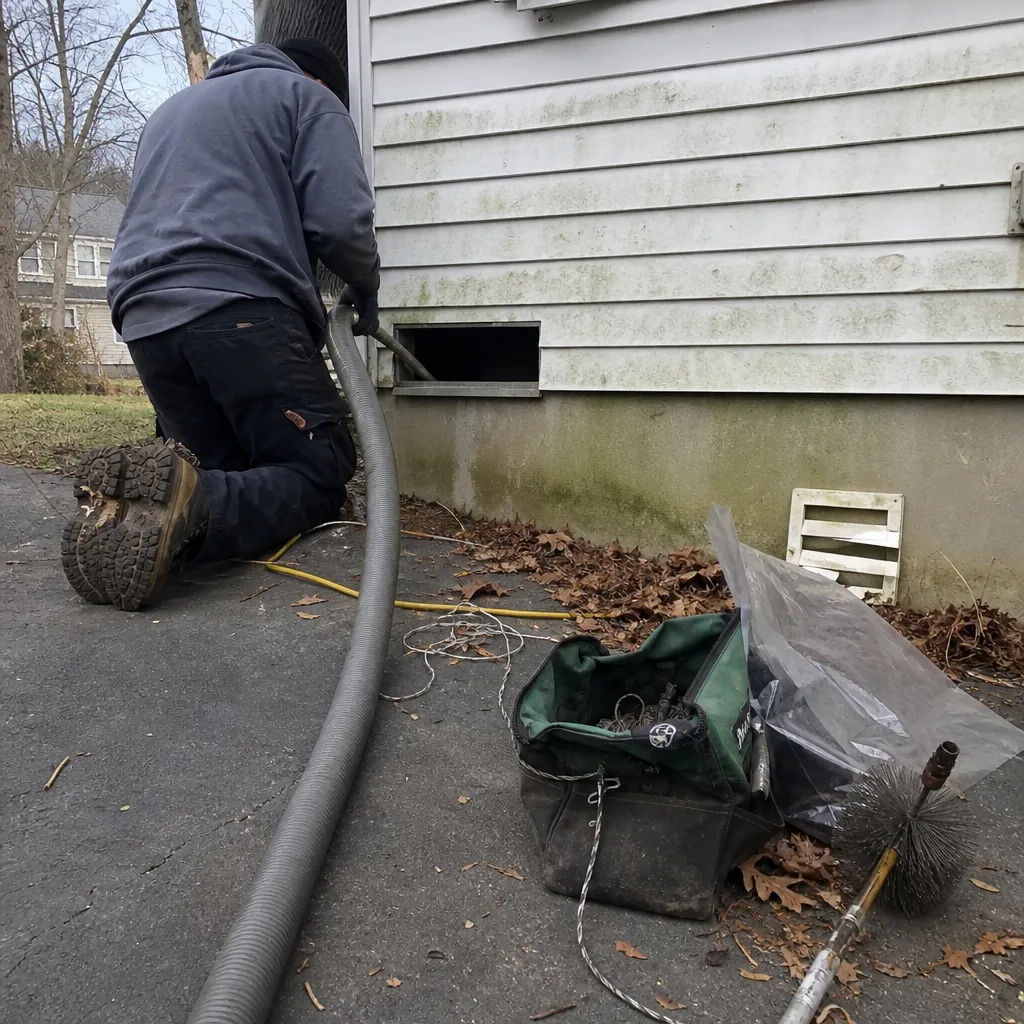 Before
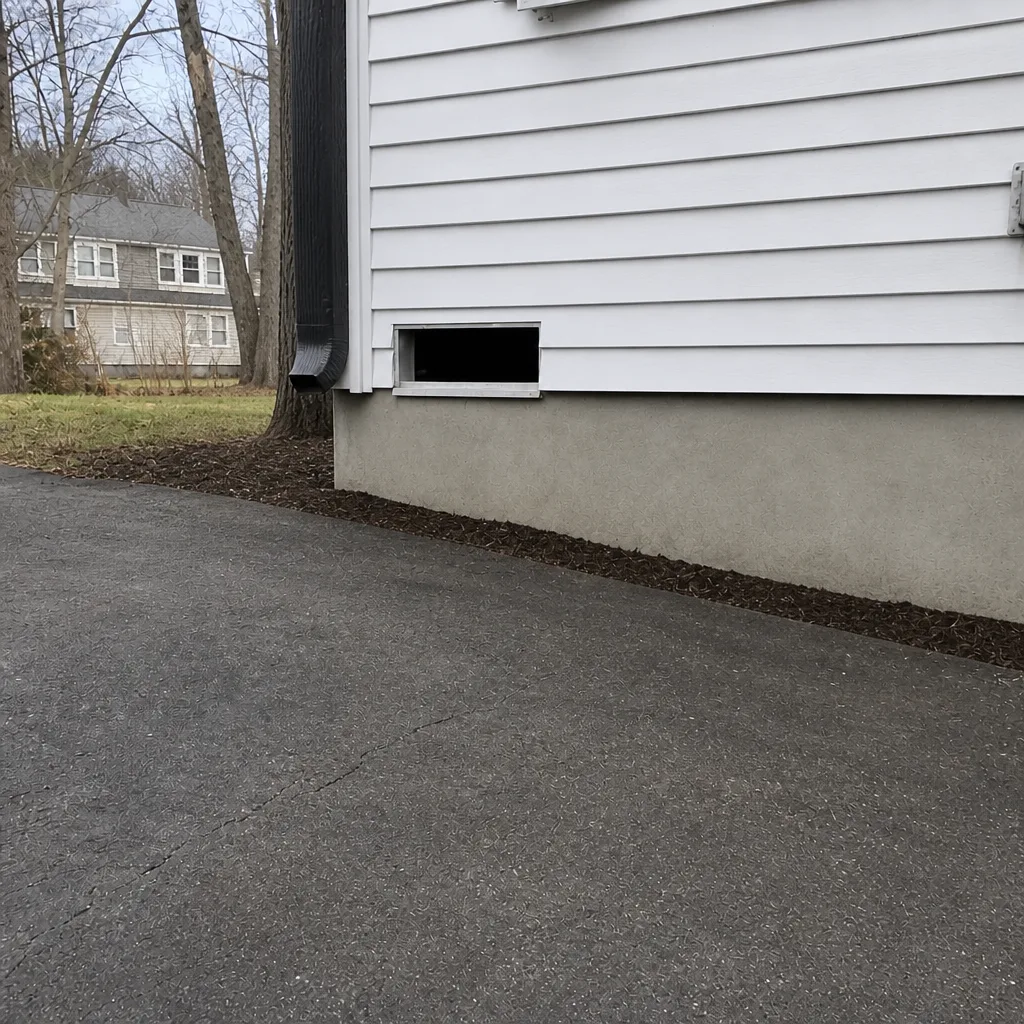 After
Common Mistakes to Avoid
- Cleaning at the wrong time of year. Cleaning in early spring catches last fall’s buildup but misses the pollen season that’s about to load the system. Cleaning in late spring catches the pollen loading, which is the load that matters most going into summer.
- Treating all duct cleaning as the same service. Some outfits run a shop vac and a truck-mounted blower with no containment, which pushes debris back into the house. Professional-grade containment via Rotobrush and Nikro HEPA-rated equipment is the difference between cleaning and redistributing.
- Ignoring the dryer vent. Lint in the dryer vent is a recognized fire risk and it’s separate from air duct care. Yearly clearing is the baseline.
- Confusing “I vacuumed the registers” with cleaning the system. The registers are the visible edge; the loaded surfaces are the trunk lines, branch runs, and coil face, which you can’t reach with a household vacuum.
- Skipping the fall pre-heating inspection. Winter exposes airflow problems, and the fall inspection is the cheapest window to catch them before they do. In Arlington, heat pumps run long hours in winter and any duct deficiency is amplified.
- Zonally ignoring the return side. Most homeowners think about supply registers and forget the returns. Return air paths are the biggest single driver of air pressure and airflow in a residential system.
- Treating duct cleaning as a fix for everything. If your ducts need repair (a disconnected run, a crushed flex section, a restricted return), cleaning alone won’t solve it. Look for a company that also does repair, so diagnosis and fix happen in the same scope of work.
When to Call a Professional
Most of this guide is about what you can do yourself, which isn’t much beyond observation and filters. There’s a clear line where the professional call is warranted. Call a professional if you’re seeing matted or visible buildup inside return grilles, if you notice a persistent musty smell when the system runs, if heating or cooling is uneven room to room and airflow seems to be the cause, if you’ve recently finished a renovation that generated dust, if there’s any visible moisture around the air handler or condensate pan, or if the dryer takes noticeably longer to dry clothes. Our team can also advise on an appropriate maintenance interval once we’ve seen the system.
Juniper Air Duct Cleaning offers free estimates in Arlington. Call (844) 932-0326. We answer 24/7. Fast dispatch from 7am to 7pm, Sunday through Friday.
Frequently Asked Questions
Every two to three years for most homes with a well-maintained system, timed to the late spring post-pollen window as the default. Homes with pets, recent renovation dust, or allergy-sensitive occupants may need a shorter interval, and homes with strong filtration and minimal duct leakage can go longer. A professional inspection will give you a realistic next-appointment window for your specific system. Call (844) 932-0326 for an exact quote, estimates are free.
Before summer is generally better in Arlington. Cleaning in late spring captures the pollen and debris that built up during the spring season and clears the system before summer’s humid cooling season adds moisture risk. Cleaning after summer might miss the pollen that drove the deposit in the first place. The pre-heating fall inspection is a separate, smaller task; it rarely substitutes for the late spring cleaning.
A musty smell that appears when the air conditioning kicks on usually points to moisture held somewhere in the system, most often the duct liner or the coil housing. It doesn’t automatically mean mold, but it does mean the system is holding moisture it shouldn’t. That’s the signal to have someone look, not the point to wait and see. Call (844) 932-0326 for an exact quote, estimates are free.
Cost depends on system size, number of registers and returns, and whether repair work is needed. We don’t quote per-vent pricing, because the correct way to price a full-system cleaning is one flat price for the full system agreed before work starts, based on the written estimate. Teaser coupons that balloon into much larger invoices on-site are the industry’s bait-and-switch problem, and we’re deliberate about avoiding it. Call (844) 932-0326 for a free estimate that’s accurate before the technician arrives.
Cheap quotes usually skip containment equipment, skip contact cleaning of duct surfaces, or price per-vent and then find reasons to add line items on-site. Professional work requires grade-appropriate equipment like Rotobrush and Nikro HEPA systems, which is more expensive to run than a shop vac and a blower. The honest question to ask a cheaper bidder is what equipment they use and whether the price is per-system or per-vent. Call (844) 932-0326 for a comparison quote.
Yes, because heating cycles run the system longer and at higher output, and dry heated air is more sensitive to leaks and pressure imbalances in the ductwork than cool air is. Uneven heating, cold air from supply registers while the heat runs, or whistling at the air handler are typical winter signals. Catching them at the fall pre-heating inspection is far cheaper than discovering them mid-winter. Call (844) 932-0326 for an exact quote, estimates are free.
Ask for before-and-after photos of your own ductwork, and a walk-through of the system showing the interior before and after cleaning. Any honest provider should be able to produce that without being pushed. If a company works with containment equipment like Nikro HEPA systems, the technician will also be able to show you the collection setup. Call (844) 932-0326 for an exact quote and a clear picture of the process, estimates are free.
The Bottom Line
Arlington’s mixed-humid climate means your duct system faces two opposite pressures: summer moisture risk and winter dry-air airflow stress, with pollen loading and leaf debris marking the shoulder seasons. The strategy that works for all of it is a rhythm, not a reaction. Clean the system in late spring, right after pollen peaks. Inspect it in early fall before the first heat cycle. Handle condensate, filters, and observation the rest of the year. Treat dryer vent cleaning as a yearly fire-safety task independent of any duct work. And once the system has been professionally cleaned and inspected, use that information to set the right next interval instead of guessing. Our technicians have up to 11 years of experience with the equipment this kind of care requires. If it’s time to look at your system, we’re here.
Call (844) 932-0326 for a free estimate. We answer 24/7. Fast dispatch from 7am to 7pm, Sunday through Friday.
Written by the team at Juniper Air Duct Cleaning.