
Last updated November 15, 2026
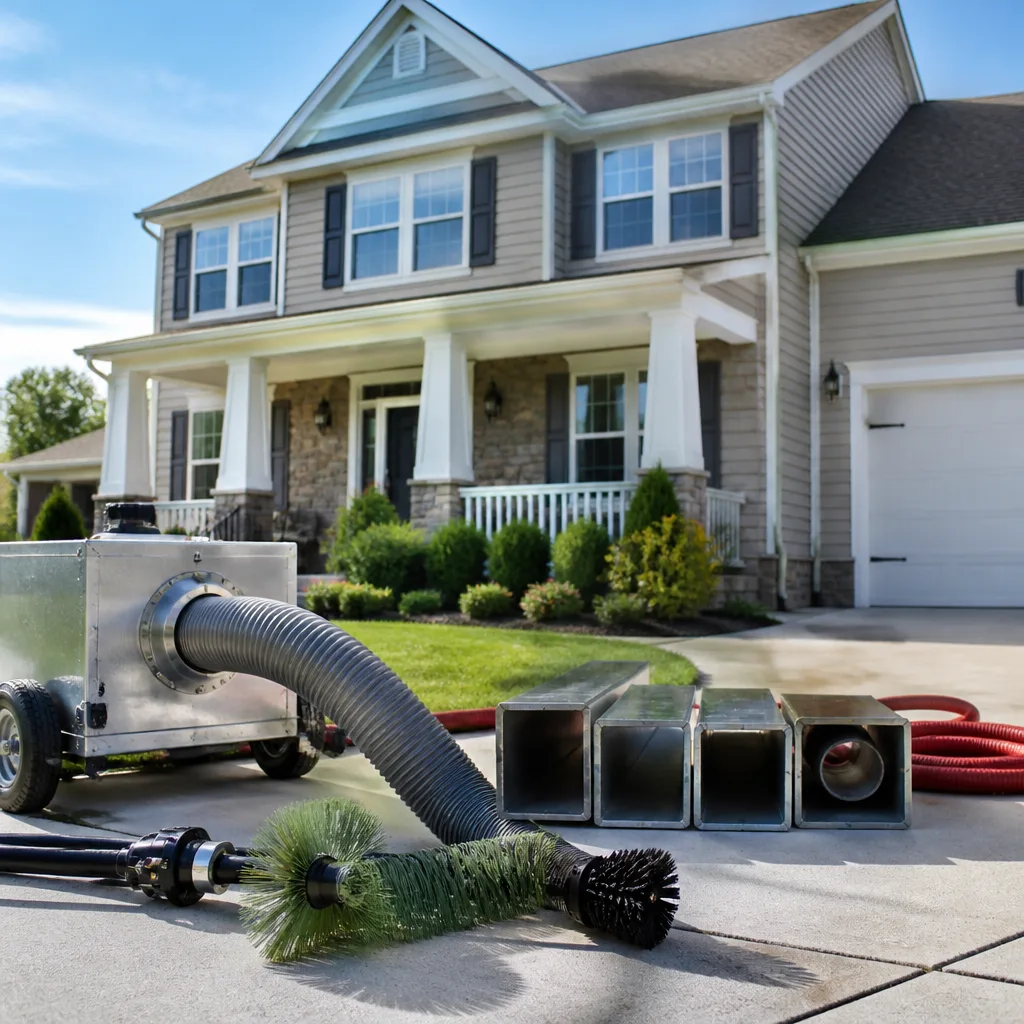 Whole-home duct cleaning
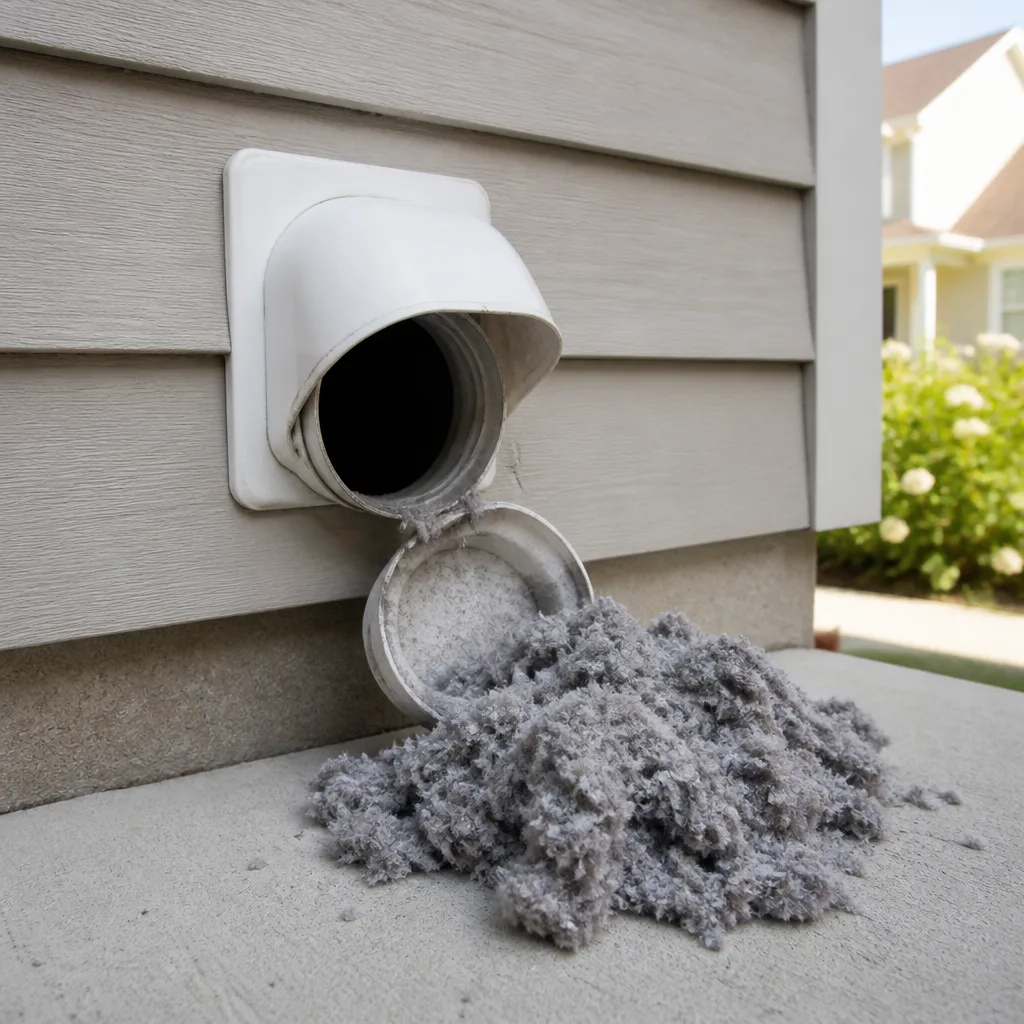 Dryer vent cleaning
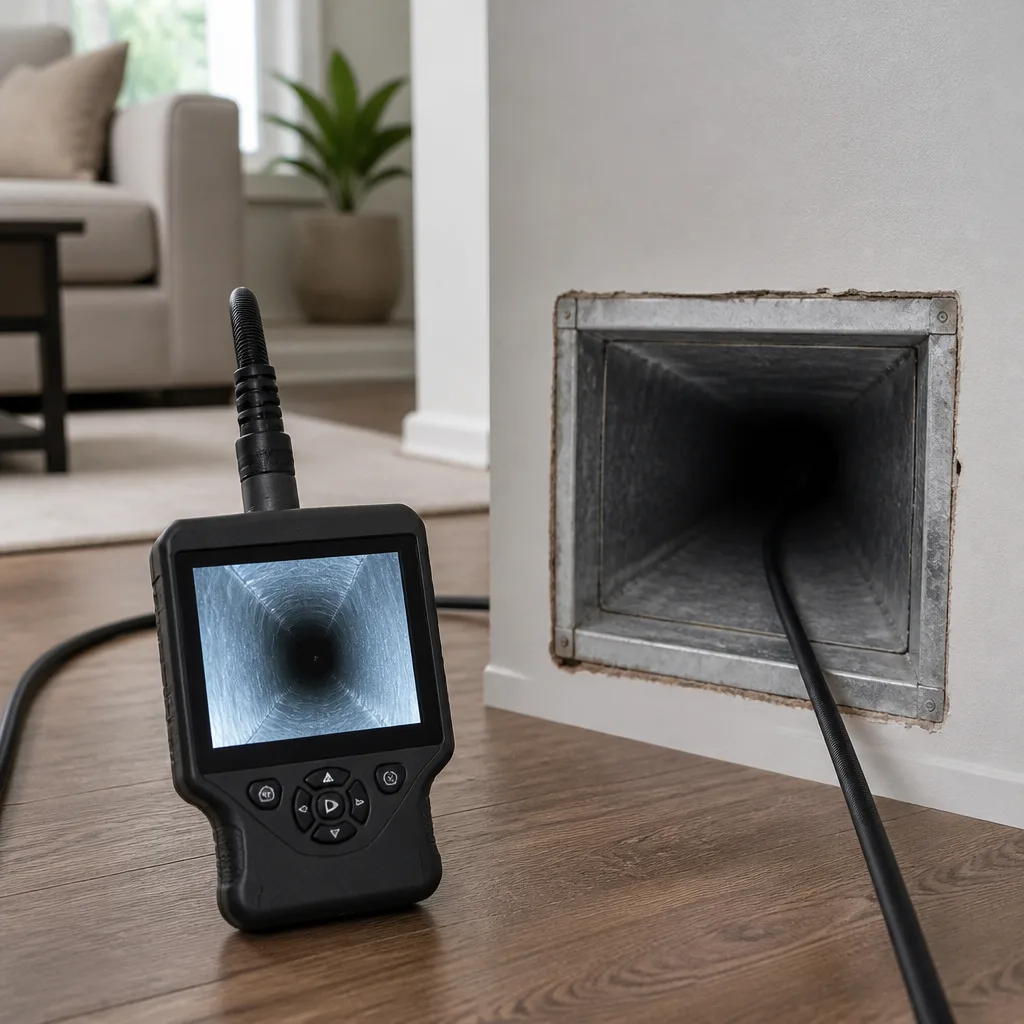 Camera inspection
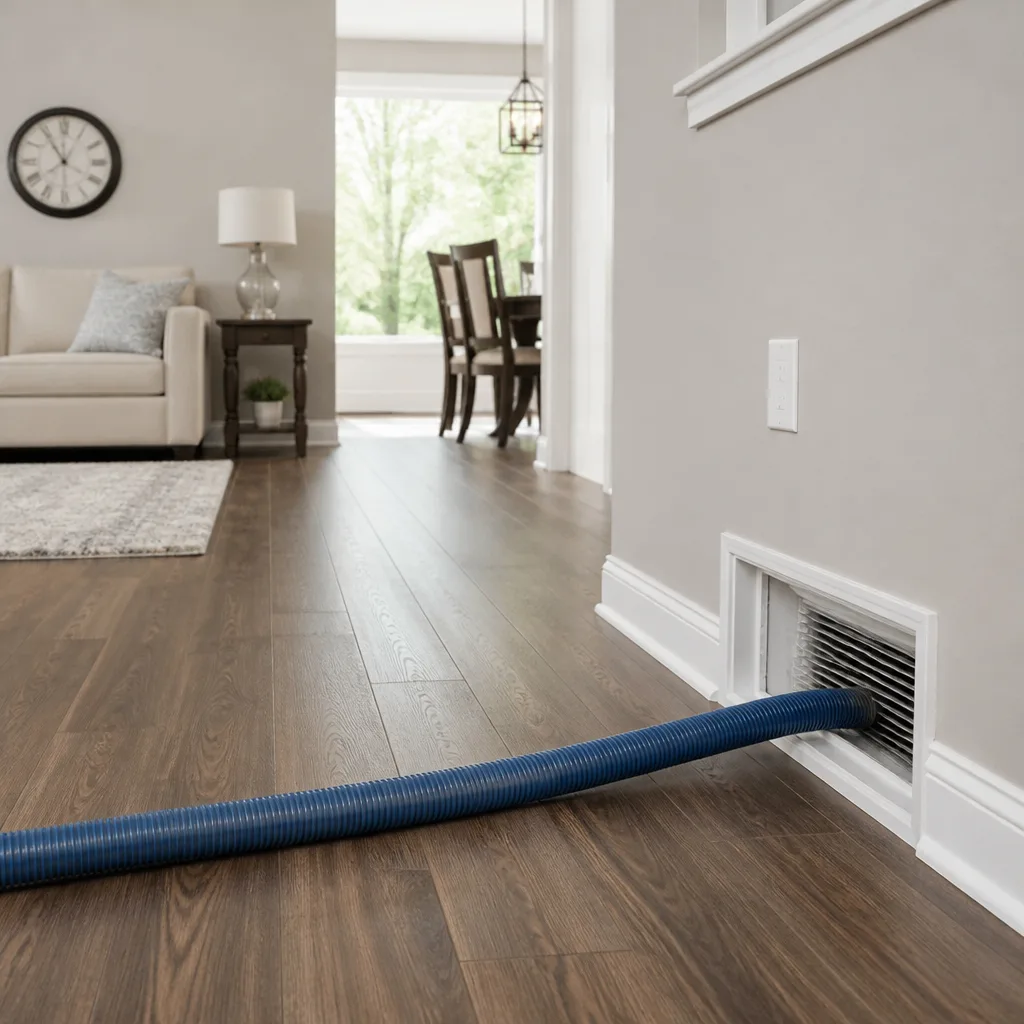 Sanitizing & deodorizing
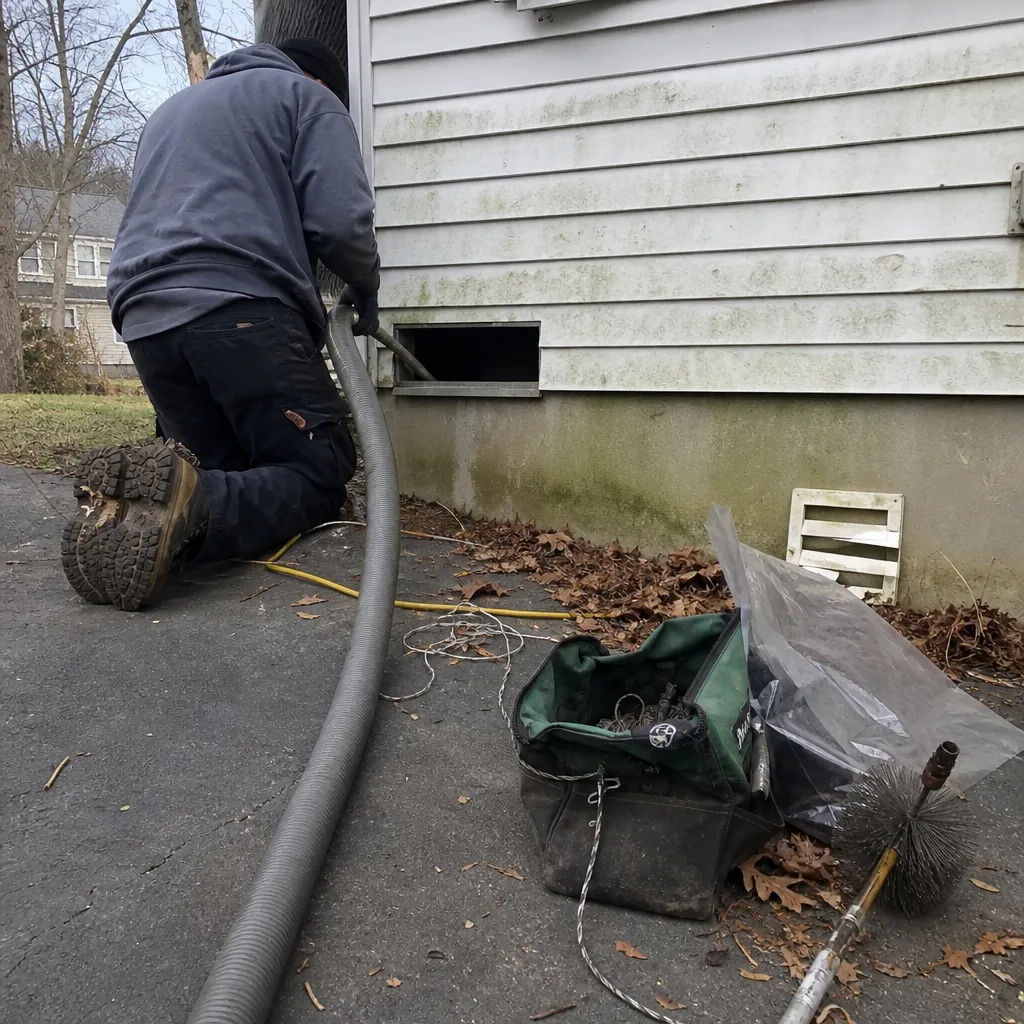
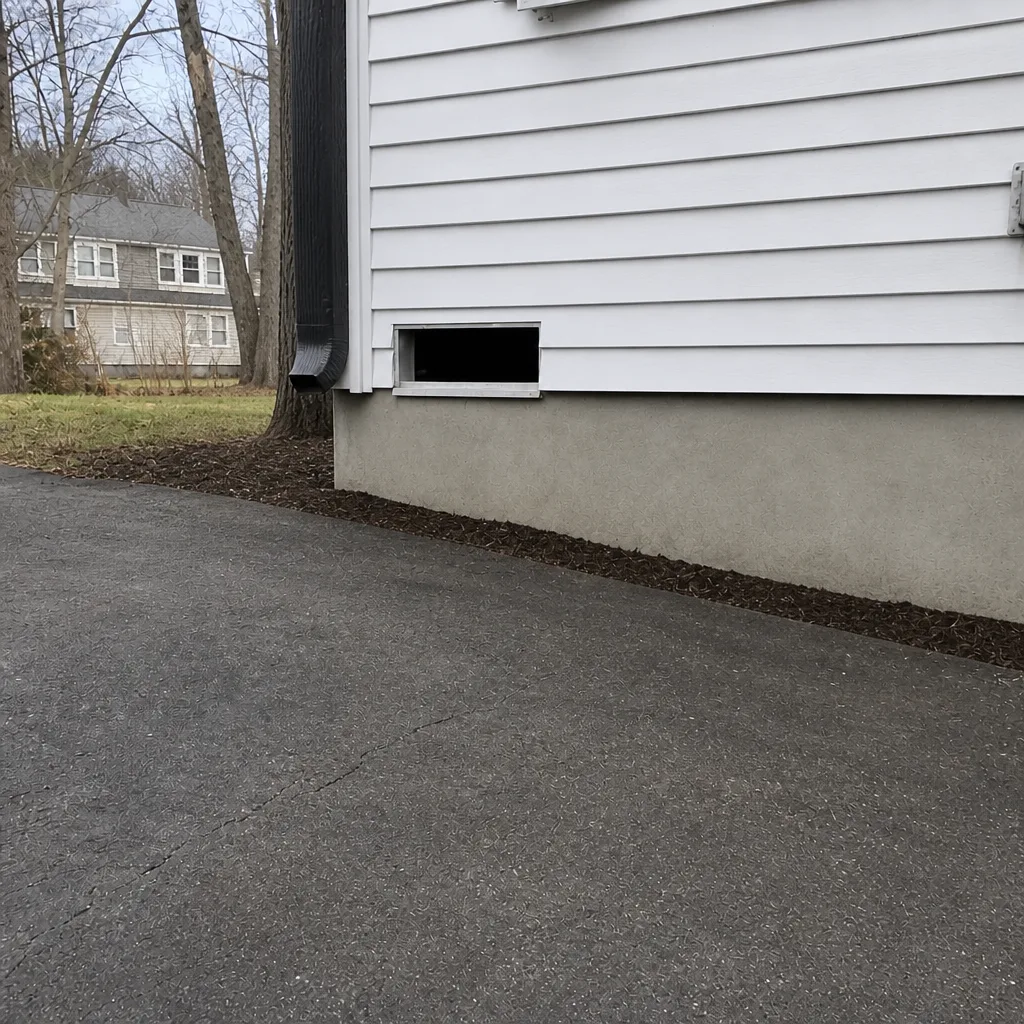
Whole-system duct and dryer vent check with before-and-after photos - you see exactly what came out of your vents
That "$99 whole-house special" is a bait ad - the real number appears once they are in your hallway, or the "clean" is a shop-vac at the register. We photograph the inside of your ducts before and after instead.
DIY vs Professional Air Duct Cleaning: The Arlington Homeowner’s Decision Guide
Most homeowners assume the duct cleaning debate is about money: the cheap kit versus the expensive truck. That framing misses the real issue. It’s a capability gap. A shop-vac and a dryer vent brush can maintain the parts of your system you can reach, and doing that is genuinely worth your time. But consumer tools can’t replicate what makes professional cleaning work: sustained negative pressure to hold debris inside containment, and rotary brush agitation to break it loose from the duct wall in the first place. One without the other just moves dust around. This guide shows you exactly where the DIY line sits, what happens when it’s crossed, and how Arlington homeowners can use a few smart maintenance habits to get more out of every professional visit.
Styles & brands we work with
- Whole-home duct cleaning
- Dryer vent cleaning
- Camera inspection
- Sanitizing & deodorizing
Quick Answer
DIY air duct cleaning is appropriate for surface maintenance only: cleaning return grilles, changing filters on schedule, and visually checking your dryer vent. It is not effective for cleaning the inside of the duct system, because consumer vacuums can’t hold the negative pressure or supply the mechanical agitation that dislodges debris from duct walls. If your ducts have visible buildup, a recent renovation sent dust through the system, or your return grilles darken quickly, that’s a professional job using equipment like Rotobrush or Nikro HEPA-rated systems.
Table of Contents
- Why DIY Duct Cleaning Is a Capability Problem, Not a Cost Problem
- What Professional Equipment Does That a Shop-Vac Cannot
- The DIY Tasks You Can and Should Do Yourself
- When DIY Attempts Actually Damage Your Ducts
- The Cost-Benefit Reality for Arlington Homes
- How to Monitor Your Ducts Between Professional Visits
- Why Arlington Homes Age the Way They Do
- What’s Safe to Check Yourself and What Isn’t
- Common Mistakes to Avoid
- When to Call a Professional
- Frequently Asked Questions
- The Bottom Line
Why DIY Duct Cleaning Is a Capability Problem, Not a Cost Problem
The internet is full of duct cleaning kits. They usually contain a flexible brush, some attachments, and a hose you connect to a shop-vac. They’re not dangerous. They’re just addressing the wrong problem.
Here’s the physics that matters. Dust and debris inside a duct don’t sit loose on the bottom of the run like sand in a tray. Particles settle into the boundary layer along the duct wall, held there by moisture, static, and the very airflow that runs over them. Getting them loose takes two things working together: mechanical agitation to break the bond to the wall, and continuous capture to remove what’s freed before it settles again. A rotating brush without strong containment just pushes dust into the airstream, where it travels into the next room. A vacuum without agitation pulls only what was already loose, which in most Arlington systems is a fraction of the actual buildup.
That’s why a professional visit involves equipment working from two ends at once. Here at Juniper Air Duct Cleaning, our technicians run Rotobrush contact-cleaning systems paired with Nikro HEPA-rated containment, so the debris a rotary brush loosens gets drawn into filtered capture rather than redistributed. The result is a verifiable clean, not a hopeful one.
There’s a third factor that matters more in older homes: understanding the actual geometry. Ducts aren’t straight runs. They branch, turn, and narrow around supply trunks. An Arlington bungalow built mid-century has a different duct layout than a newer condo conversion or a renovated colonial near Ballston. Knowing what’s where tells you which tools fit, and what questions to ask.
What Professional Equipment Does That a Shop-Vac Cannot
To understand why professional cleaning is a distinct service rather than an amplified version of DIY, it helps to see what each tool actually does. Here’s a direct comparison:
- Suction strength vs. sustained pressure. A shop-vac pulls high airflow but low sustained negative pressure in a sealed system. Professional truck-mounted or portable systems are built to hold negative pressure across an entire duct run, so debris from a distant branch migrates toward the collection point.
- Agitation matters more than suction. Rotobrush systems use a rotating brush head that travels through the duct, physically dislodging debris from the wall. Vacuum alone can’t replicate this.
- Containment prevents recontamination. Nikro HEPA-rated filtration captures particles at the source, including fine dust and particulate that would otherwise pass through a residential filter. That’s the difference between moving dust and removing it.
- Full-system access. Professional technicians work from every register and every return, including runs that require reaching through the trunk. Consumer kits typically clean what you can reach through one grille.
- System awareness. The technician knows where duct liner is fragile, where a flex connection is doing the work, and where a brush shouldn’t go at full speed.
Working with IAQ systems adds another layer. If an Arlington home runs an Aprilaire whole-home humidifier or an Abatement Technologies filtration setup, the technicians servicing the ducts need to understand how those systems interact with the duct run. We work with and around those systems rather than treating them as obstacles. That compatibility is one reason homeowners with filtration equipment already in place tend to stay with professional service.
The DIY Tasks You Can and Should Do Yourself
Here’s the part most guides skip. There is a legitimate list of things a homeowner can and should do, and doing them keeps your system in better shape between professional visits. Here they are, in order of value:
- Clean your return and supply grilles. Grilles collect dust on the surface. Pop them off, wash them in a utility sink or with a hose, dry them, and reinstall. This is the highest-value DIY task because it’s where the homeowner sees the most visible improvement for the least effort.
- Change your filter on schedule. Filter management is the single biggest thing you can do for air quality inside the ducts. A clogged filter means the HVAC blower pulls from leaky returns and other gaps, dragging unfiltered air into the system. Follow the filter manufacturer’s interval, and check it more often during high-use months.
- Inspect the dryer vent run visually. With the dryer off and unplugged, look behind the dryer for crushed hose, lint accumulation around the connection, and visible gaps at the wall. You can also check the exterior termination to confirm the damper opens freely. That’s a three-minute check that catches real risk early.
- Vacuum around grilles when you vacuum floors. Dust pulled across a floor surface is dust pulled toward the return. A clean perimeter means less dust getting into the return in the first place.
- Note when filters darken faster than usual. A sudden change in how fast filters load usually signals something worth flagging: construction nearby, a renovation inside the house, or a duct connection that’s opened. Write down the date and mention it at your next service.
None of these require special tools, and none of them carry real risk. If you can change a filter, you can do every one of them.
When DIY Attempts Actually Damage Your Ducts
The damage cases aren’t hypothetical. In our experience, they fall into a predictable set, and each one tends to cost more to fix than the cleaning would have. If you’re considering a DIY attempt because you can reach a duct, read this list before you start.
- Dislodging flex duct connections. Many Arlington homes, especially in renovations and additions, use flexible duct in places. A brush or hose snagged on a flex connection can pull it loose from the fitting. That connection is now leaking conditioned air into a wall cavity, which usually means opening drywall to fix.
- Puncturing duct liner. Rigid duct with internal acoustic or thermal liner has a delicate inner skin. A shop-vac nozzle or stiff brush head can tear it. Once that skin is torn, airflow through that run can lift loose fibers into the air supply, which is worse than the debris you were trying to remove.
- Spreading debris into living space. Suction without containment is redistribution. Loose debris that was sitting in the return gets pulled into the shop-vac hose, but the fine particles go through the filter and back into the room, sometimes directly onto furniture. You’ll usually notice this as a fine film on nearby surfaces within hours.
- Pushing debris toward the air handler. Working from one register with a brush can push debris deeper rather than removing it. Duct runs aren’t meant to trap material at the air handler inlet, and if it accumulates there, you’re looking at repair rather than cleaning.
- Damaging the duct board itself. Some ducts are constructed from rigid duct board. It doesn’t take much force to bend or crack it. A homeowner working blind inside a duct system can’t always feel when they’re approaching the limit.
The pattern is this: the tools a professional uses feel similar to consumer tools in the box, but the process is a system, and without the containment half of the system, DIY gains are short-lived and the damage costs are real.
The Cost-Benefit Reality for Arlington Homes
Air duct cleaning in Arlington is priced per system rather than per vent, and the written estimate sets the final price. That structure matters when you’re weighing DIY against professional service, because the temptation with DIY is to compare a kit price to a per-vent quote from a competitor. That comparison doesn’t hold up once you consider what the DIY attempt actually accomplishes.
Here’s the honest cost-benefit picture:
- Zero cost, real value: grille cleaning, filter changes, dryer vent visual checks. Do these yourself, unconditionally. They slow buildup and improve air quality.
- Kit cost, limited value: a consumer duct brush kit can loosen surface debris in an accessible run. It cannot contain the debris it loosens or clean the rest of the system. When it’s worth doing depends on the system, and we generally recommend against it for anything but a single, accessible, low-risk run.
- Professional service, distinct value: full-system negative pressure, rotary agitation, and containment. This is the only route to actual cleaning, and it also gives you a diagnostic picture of the system, including whether duct liner is intact, whether flex connections are sound, and whether the system has damage that should be repaired before cleaning.
A big part of that picture is drying vent safety. A clogged dryer vent isn’t just inefficiency, it’s a fire-risk situation. We treat dryer vent cleaning as a fire-safety service rather than an add-on, which is exactly the kind of thing a DIY brush run down the vent can’t confirm. A homeowner checking the visible termination and the lint screen is fine. Actually removing lint from a long, concealed run is a professional job, and one that matters for a reason larger than air quality.
Full-system service that includes diagnosis and repair in one visit is also why we pay attention to what comes back on the brush. When the technician sees a torn liner or a loose connection, the conversation moves into air duct cleaning and repair in the same visit rather than a separate trip. That’s a real difference in cost compared to a company that cleans what it can see and reports the rest.
How to Monitor Your Ducts Between Professional Visits
Homeowners who monitor their system get more out of professional service because they arrive with useful information. The next service is more focused when the technician knows what’s changed, and you avoid paying for cleaning that doesn’t need to happen yet. Here’s what to keep track of:
- Filter darkening rate. Note the date you install a new filter and the date you replace it. If that interval shortens, something inside the system changed. That’s a good trigger for a call.
- Visible surface dust on furniture. A fine film that appears weekly rather than monthly usually means the ducts are shedding more than the filter is catching. Note dates.
- Return grille darkening. Some darkening is normal. Sudden, fast darkening, especially on returns in specific rooms, points to a specific run. Note which grilles darken fastest.
- Airflow changes at any register. If a register in one room goes weak while others stay strong, a connection or a blockage may have shifted. Note the room.
- Dryer cycle times. If clothes take noticeably longer to dry, the dryer vent lint load has probably increased. Note the interval.
- Recent renovation or construction. Renovation dust is the single most common reason ducts need attention in a home that didn’t need it before. If you’ve had work done, write down the date and the rooms involved.
That list is easy to keep in a notes app. Bring it to your next service. If a technician can see “filters darkening twice as fast starting the week after kitchen renovation,” the assessment is targeted. If the answer is “no idea,” the technician has to work from the whole system.
Why Arlington Homes Age the Way They Do
Arlington isn’t a single housing stock. It’s a patchwork of mid-century houses, older colonials with additions, and condo conversions, and each has a different relationship with its duct system.
The mid-century homes in neighborhoods like Ashton Heights and Lyon Village often have duct layouts from an era before modern air sealing. Some of these have been retrofitted with flexible duct and some still run rigid sheet metal, and the interior condition isn’t visible from a register. Homes that have been renovated over the years, which describes a lot of the housing stock near Arlington, increasingly end up with sections of flex duct tucked into joints and additions where the original system didn’t reach. Those are the runs most vulnerable to DYI damage and most likely to need professional attention.
Condos and townhomes come with a different consideration: shared systems, shorter runs, and less room to maneuver. The containment piece matters here. When a supply duct terminates in a hallway shared with neighbors, fine dust escaping the capture system doesn’t stay in one unit.
Airflow matters too. Arlington’s older housing stock and tighter building widths mean returns are often smaller than modern design would provide, and HVAC systems sometimes run long cycles in the shoulder seasons. Long cycles pull more air through the ducts, load the filter faster, and surface buildup more quickly. The practical takeaway is that Arlington homes may need monitoring more often than the “every few years” rule of thumb, without necessarily needing cleaning more often.
What’s Safe to Check Yourself and What Isn’t
An honest expert flags the danger. Some parts of a home air system are fine for a homeowner to check. Others aren’t, and the list below is meant to keep you out of the second category.
Safe to check:
- Grille surface dust
- Filter condition and replacement interval
- Dryer vent termination flapper movement
- Visible hose behind the dryer (with the appliance unplugged)
- Register airflow (hold a tissue, note the response, no tools involved)
- Which rooms are hotter or cooler than the rest of the house
Not safe, or not worth the risk:
- Disconnecting or opening the air handler cabinet for any reason. The system includes electrical components and, in some setups, refrigerant or combustion connections. This is a job for a trained professional.
- Reaching into a duct past the register.
- Removing the dryer from its vent connection without unplugging it first.
- Attempting any repair to a flexible duct connection that has come loose. A taped fix on a flex connection redistributes the tension and often fails within weeks; a proper repair requires knowing the correct approach for that fitting.
- Doing anything at all inside the duct system if you haven’t had it inspected. A technician’s first pass through a system that hasn’t been looked at isn’t cleaning, it’s assessment, and that’s a meaningful step.
If you’re not sure which category something falls into, err on the side of a phone call. It’s a cheaper conversation than a repair.
Common Mistakes to Avoid
- Comparing a kit price to a per-vent quote. They aren’t the same service. A kit price buys a brush in a run. A per-vent quote from a competitor usually means a low advertised number that grows once the technician sees the system. The honest comparison is a whole-system price against a whole-system price, in writing, agreed before work starts.
- Running a DIY brush through a duct you can’t see inside. In Arlington’s older housing stock, ducts often contain liner or flex connections you can’t feel with a brush. The repair can cost more than the cleaning would have.
- Assuming visible dust on a grille means the whole system needs cleaning. Surface dust on grilles is normal and is exactly what grille cleaning handles. It’s not a reliable signal on its own. The reliable signals are the monitoring list above.
- Cleaning the dryer vent with a brush and calling it done. The visible termination and the outer end of the run are the easy parts. Lint accumulates where the run turns, and that’s where fire risk concentrates. This is why we treat dryer vent cleaning as a fire-safety service rather than a quick add-on.
- Skipping the pre-inspection on a system that hasn’t been looked at in years. Cleaning a system with damaged liner or a loose connection can make the situation worse. A diagnose-first approach closes the loop from what’s found to what’s fixed, which is the point of a full-system service line.
- Ignoring variable speed blower behavior. A modern blower that runs longer at lower speed is a good thing, but it also pulls more air through dusty runs. Filters load faster in these systems, so monitoring interval needs to match.
- Assuming new construction doesn’t need attention. Construction debris gets into ducts during the build. Drywall dust, sawdust, and plastic shavings are common in the first year of a new home. Note the construction date and mention it at your first service.
When to Call a Professional
A handful of scenarios clearly call for professional service rather than a maintenance pass. If any of these apply, the conversation is worth having.
You’ve had a renovation, and the work generated visible dust. Filters load faster for weeks afterward, and that load went through the system. You can see a sudden darkening on grilles in specific rooms. You’re noticing a fine dust film on furniture within a week of cleaning. Someone in the household has allergies or respiratory sensitivity, and the usual filter changes aren’t enough. You’re about to move into a home and don’t know the last time the ducts were serviced. Your dryer runs longer, the exterior vent flapper feels stiff, or you can see lint around the dryer hose. A register runs weak while others stay strong. Any of these are signals that a professional assessment is the right next step.
Juniper Air Duct Cleaning offers free estimates in Arlington. Call (844) 932-0326. We answer 24/7. Fast dispatch from 7am to 7pm, Sunday through Friday. We use Rotobrush and Nikro equipment, work with and around IAQ brands like Aprilaire and Abatement Technologies, and offer duct repair alongside cleaning, so when a technician finds a loose connection or a damaged liner, the fix happens in the same visit rather than as a separate service call.
Frequently Asked Questions
Not effectively. A shop-vac can pull loose debris from the surface you can reach, but it doesn’t hold negative pressure across the duct run or supply the rotary agitation that dislodges debris from duct walls. In our experience, DIY suction without containment tends to redistribute fine dust into living space rather than remove it. Call (844) 932-0326 for an assessment if you’re not sure about your system.
Air duct cleaning in Arlington is priced per system, not per vent, and the written estimate sets the final price. We don’t quote teaser numbers, and we don’t price by the vent. That means the number you get on the estimate is the number you pay, agreed before work starts. Call (844) 932-0326 for an exact quote, since estimates are free.
Most homes don’t need cleaning on a strict calendar. The signals that matter are the monitoring ones: faster filter loading, visible surface dust reappearing within days, sudden grille darkening, or a recent renovation. Arlington’s older housing stock and long HVAC cycles mean these signals show up a bit earlier than in newer building stock. If none are present, professional cleaning can reasonably wait. Call (844) 932-0326 if you want an assessment.
Cheap quotes usually price per vent or offer a low teaser number that grows once the technician is on site. The work quoted is often suction-only, without rotary agitation or HEPA containment, which doesn’t clean the duct system in the way that matters. A whole-system price agreed in writing is the honest structure. Call (844) 932-0326 for a written estimate you can compare against any other.
You get before-and-after photos of your own ducts. That’s the answer to the trust problem in this industry, and it’s why we take them. You can also ask about the equipment being used on the visit, because suction-only service looks like cleaning on an invoice but doesn’t remove buildup from duct walls. Call (844) 932-0326 and ask us to walk you through what a visit involves.
Yes, and it’s the most common damage we see. A brush or nozzle snagged on a flex connection can pull it loose from the fitting, and that means opening the wall to repair. Rigid duct with internal liner is equally vulnerable to puncture. If your home has flex duct in any part of the system, this isn’t a task worth attempting. Call (844) 932-0326 if you’re unsure what your ducts are made of.
You can check the visible portions safely: the lint screen, the termination flapper, and the hose behind the dryer with the appliance unplugged. Removing lint from inside a concealed dryer vent run is a different job. We treat dryer vent cleaning as a fire-safety service because lint accumulates where the run bends, and that’s the part a DIY brush can’t reach. Call (844) 932-0326 to schedule it.
Rotobrush is a contact-cleaning system: it uses a rotating brush head that physically dislodges debris from the duct wall while it travels through the run. A vacuum of any kind removes only what’s already loose. Paired with Nikro HEPA-rated containment, the combination is what makes professional cleaning verifiable rather than cosmetic. Call (844) 932-0326 if you have questions about the equipment used on your service.
The Bottom Line
The DIY-versus-professional debate isn’t about spending less. It’s about which side of a capability line a task falls on. Grille cleaning, filter management, dryer vent visual checks, and note-keeping belong on the DIY side, and doing them makes your system better every week. Cleaning the inside of a duct system, holding negative pressure across a run, and finding a loose connection or damaged liner before it becomes a repair belong on the professional side. The homeowners who get the most value are the ones who do the small things consistently and use professional service strategically, informed by what they’ve tracked between visits. Juniper Air Duct Cleaning approaches that service as a full-system job: diagnose, clean with professional-grade equipment, and close the loop with repair when something needs fixing. If you’re in Arlington and want an honest assessment of which side of the line your home falls on, call (844) 932-0326. We answer 24/7. Fast dispatch from 7am to 7pm, Sunday through Friday. Estimates are free, the price is agreed in writing before work begins, and you’ll get before-and-after photos of your own ducts when the job is done.
Written by the team at Juniper Air Duct Cleaning.
See the difference
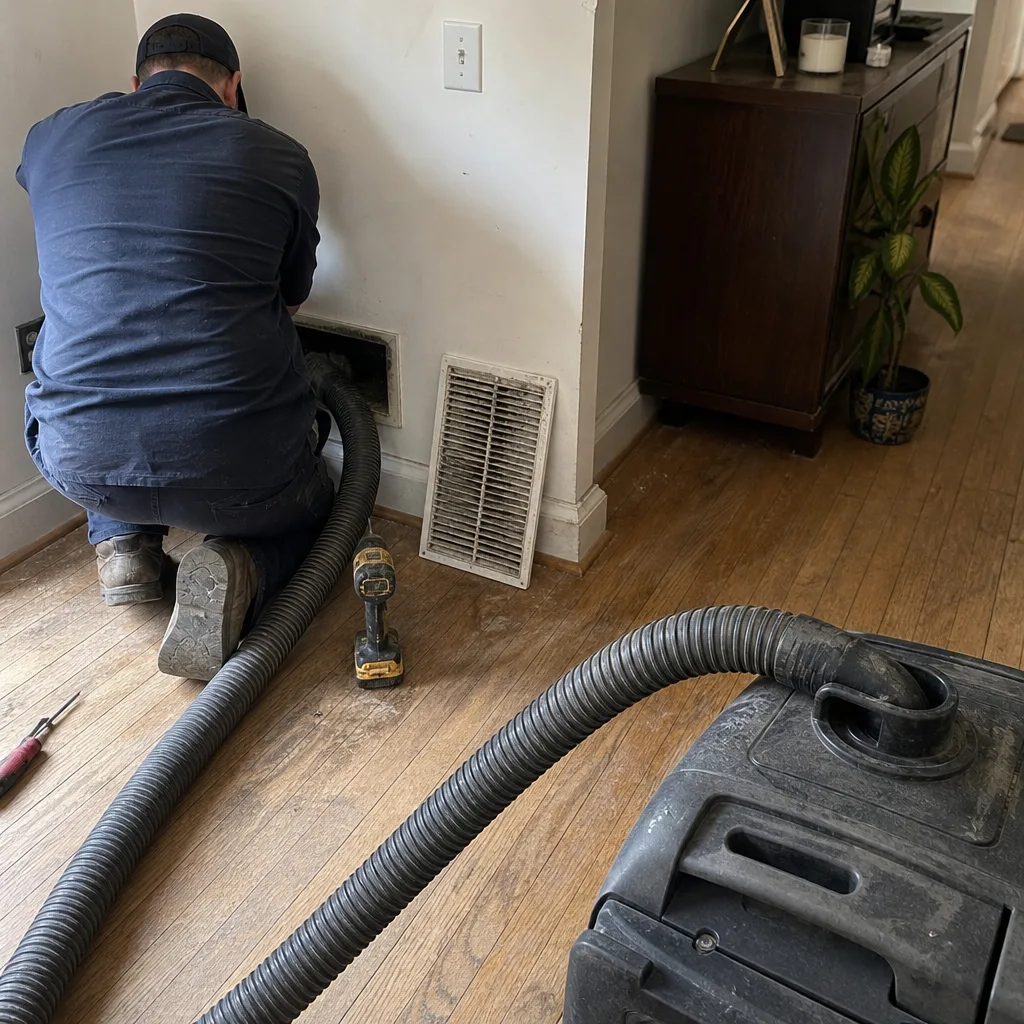 Before
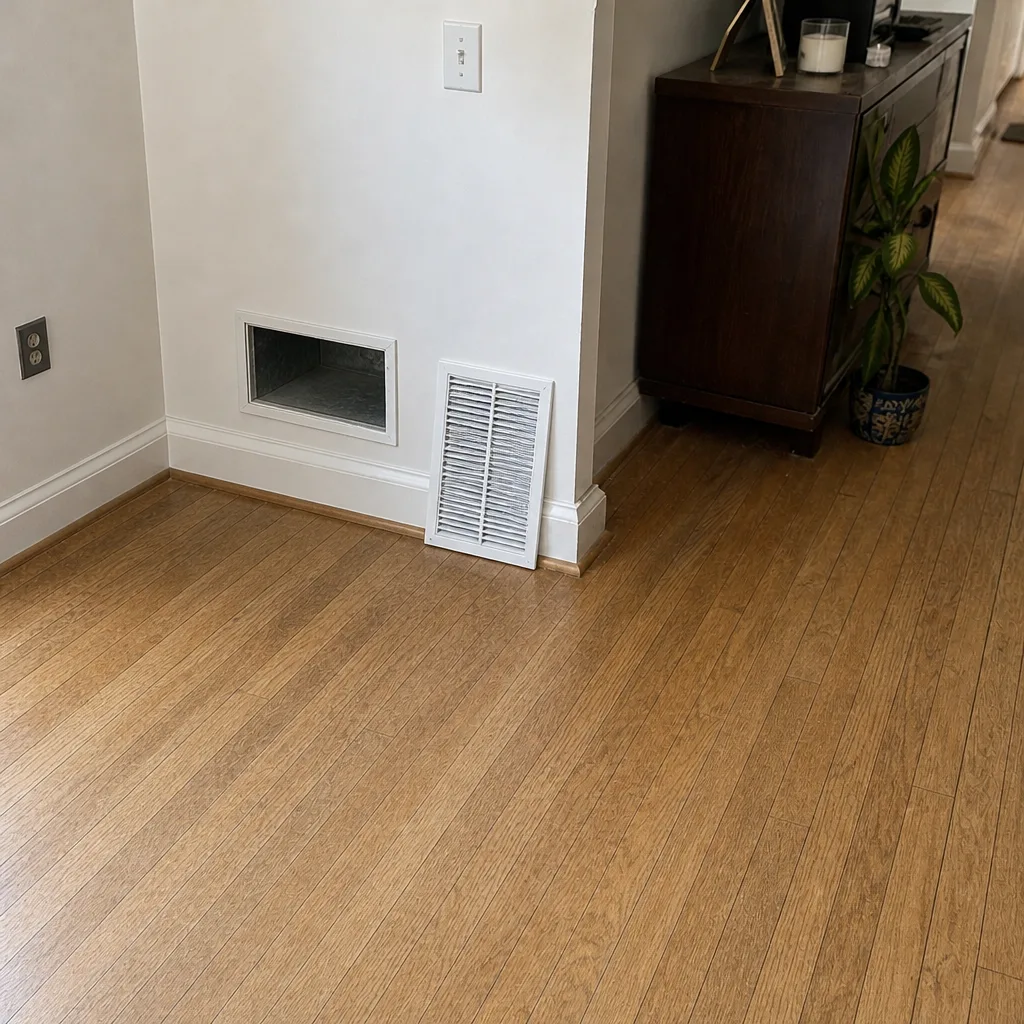 After
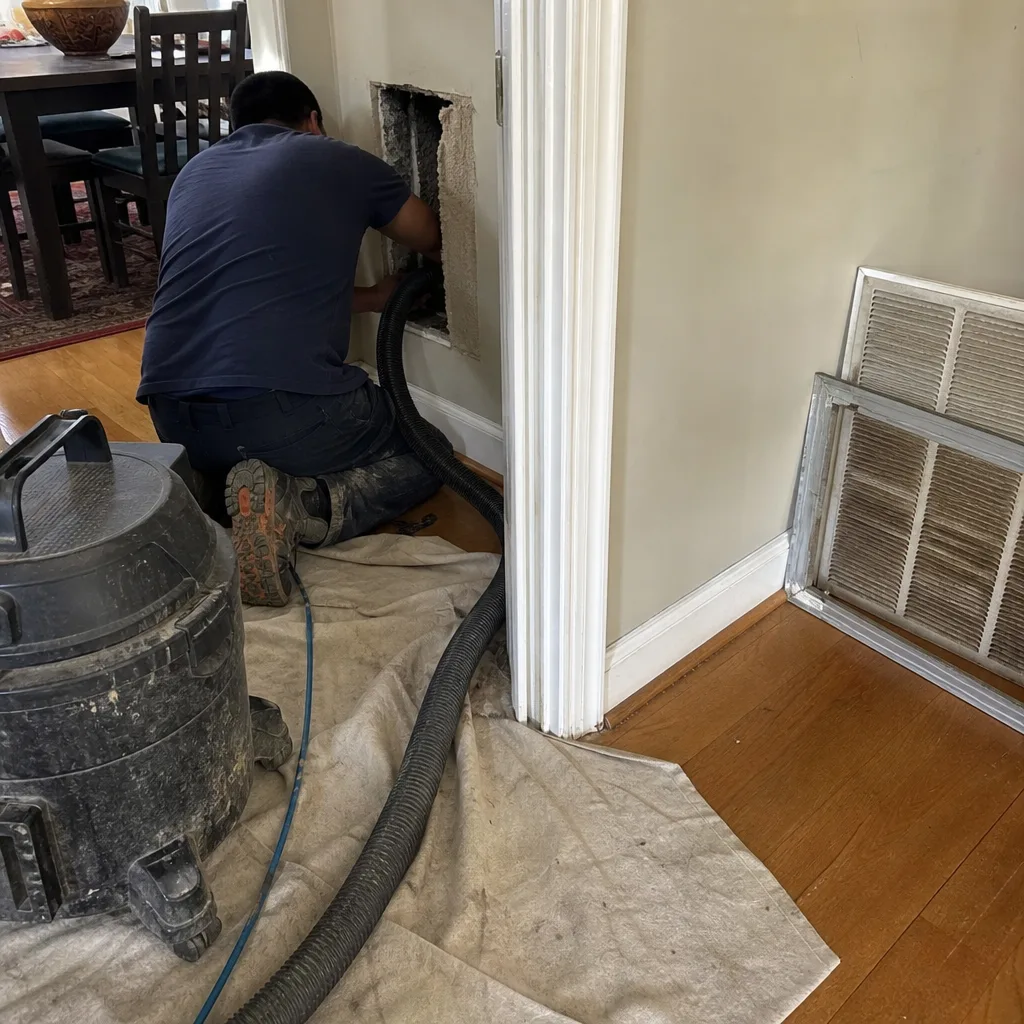 Before
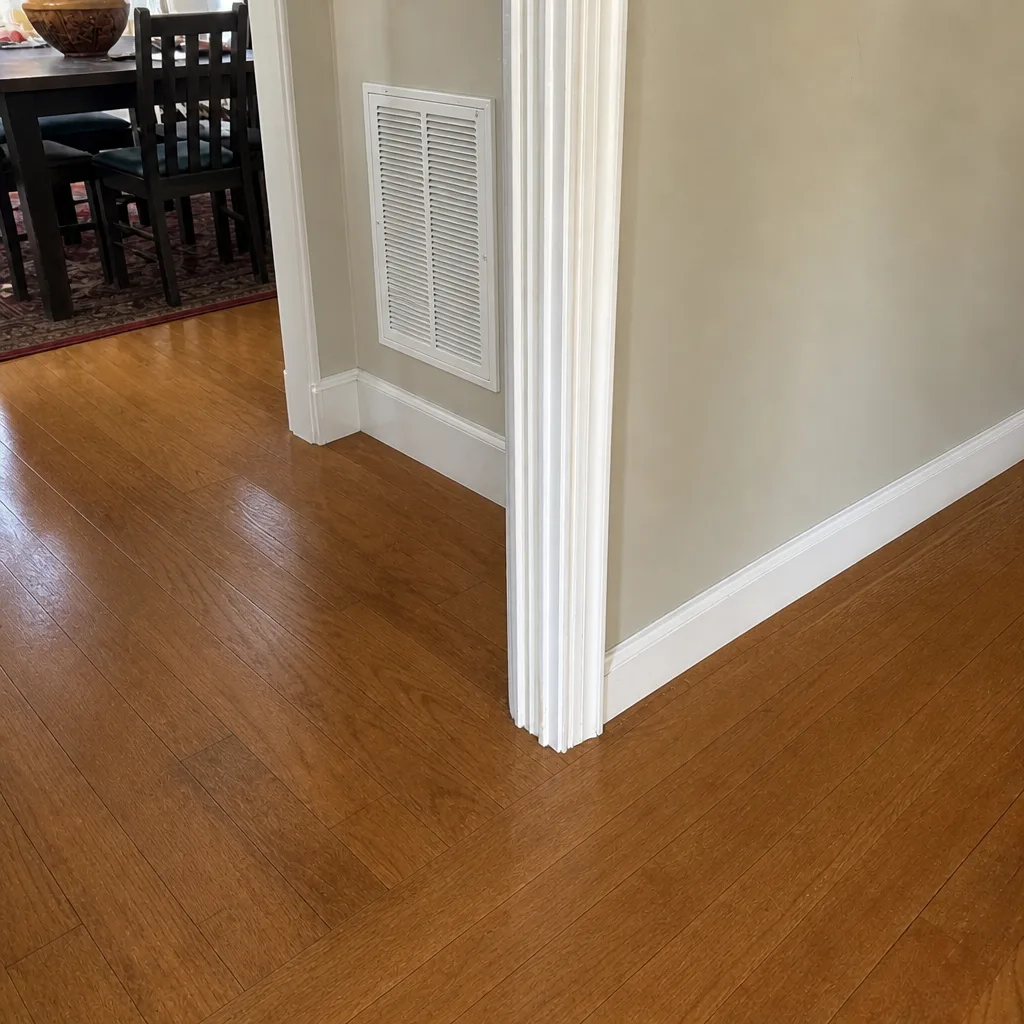 After
 Before
 After