
Last updated November 15, 2026
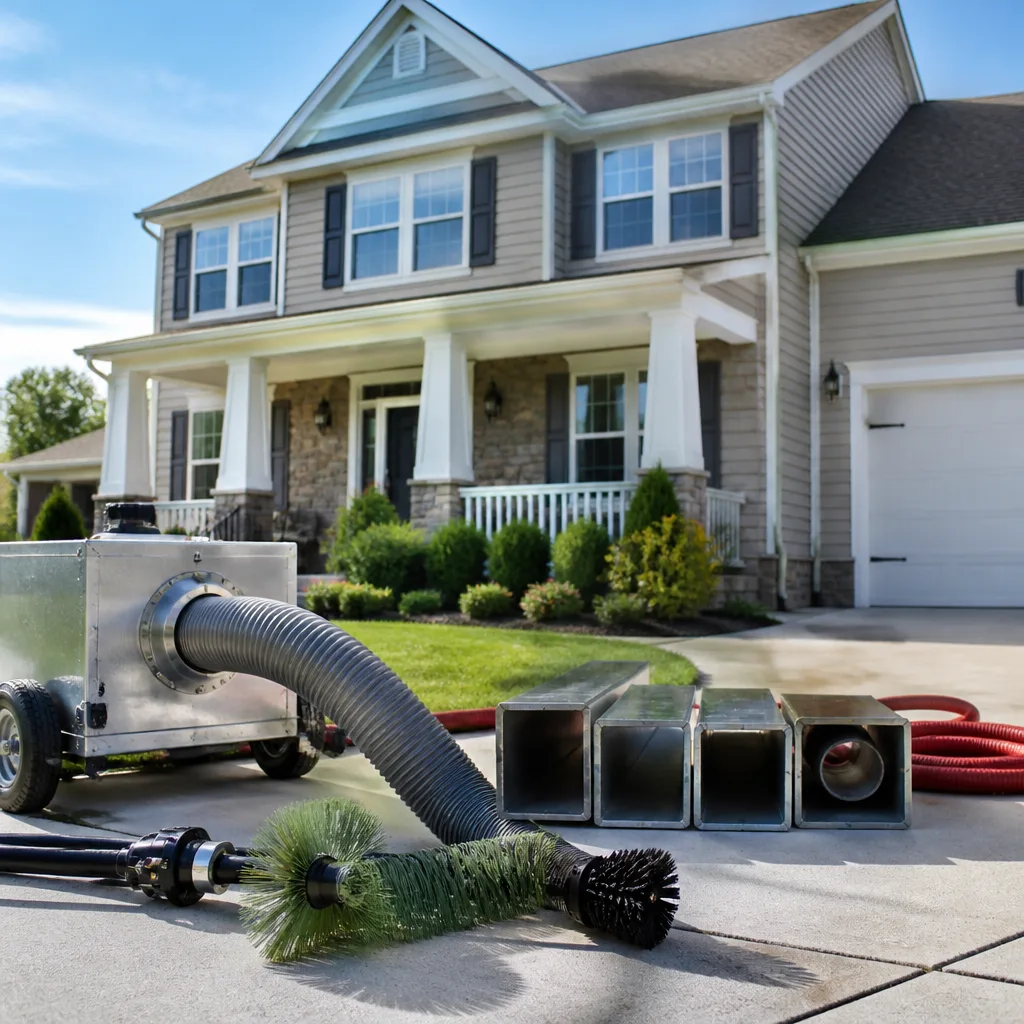 Whole-home duct cleaning
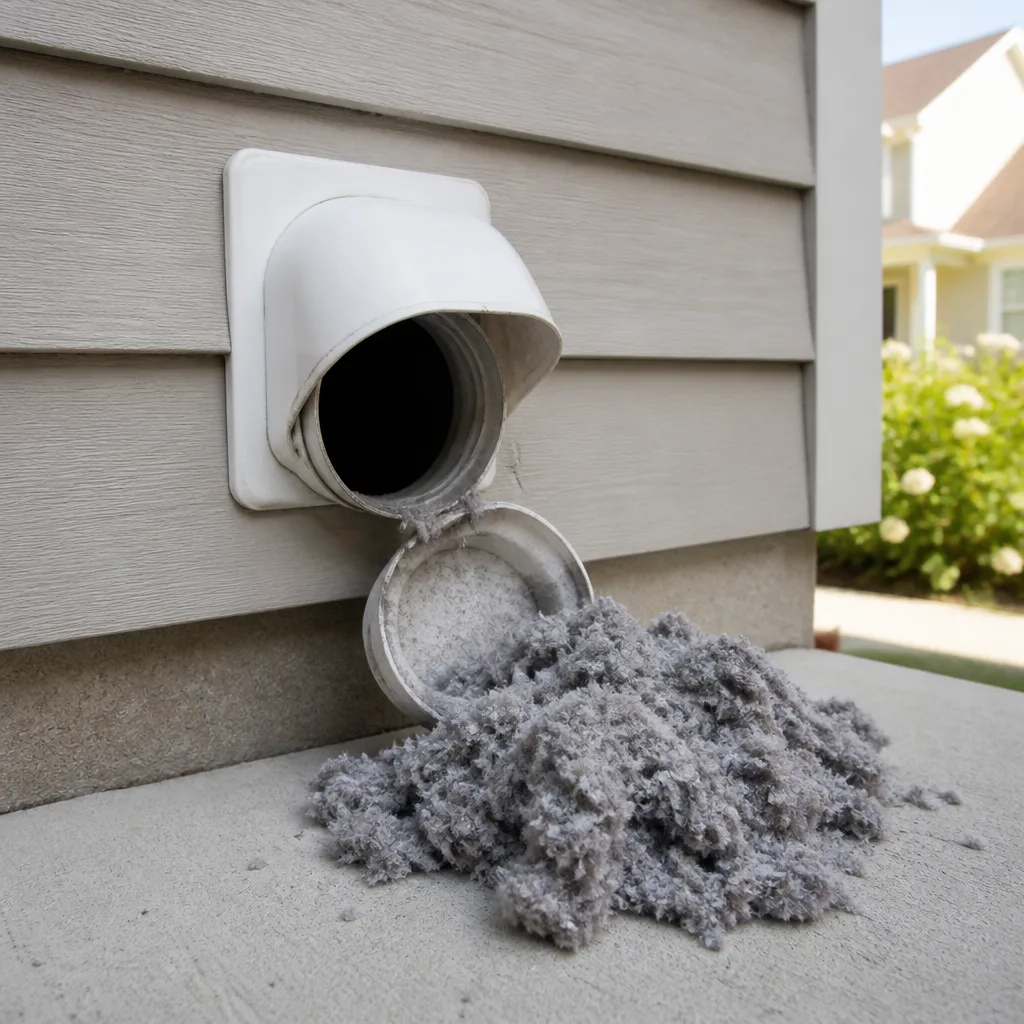 Dryer vent cleaning
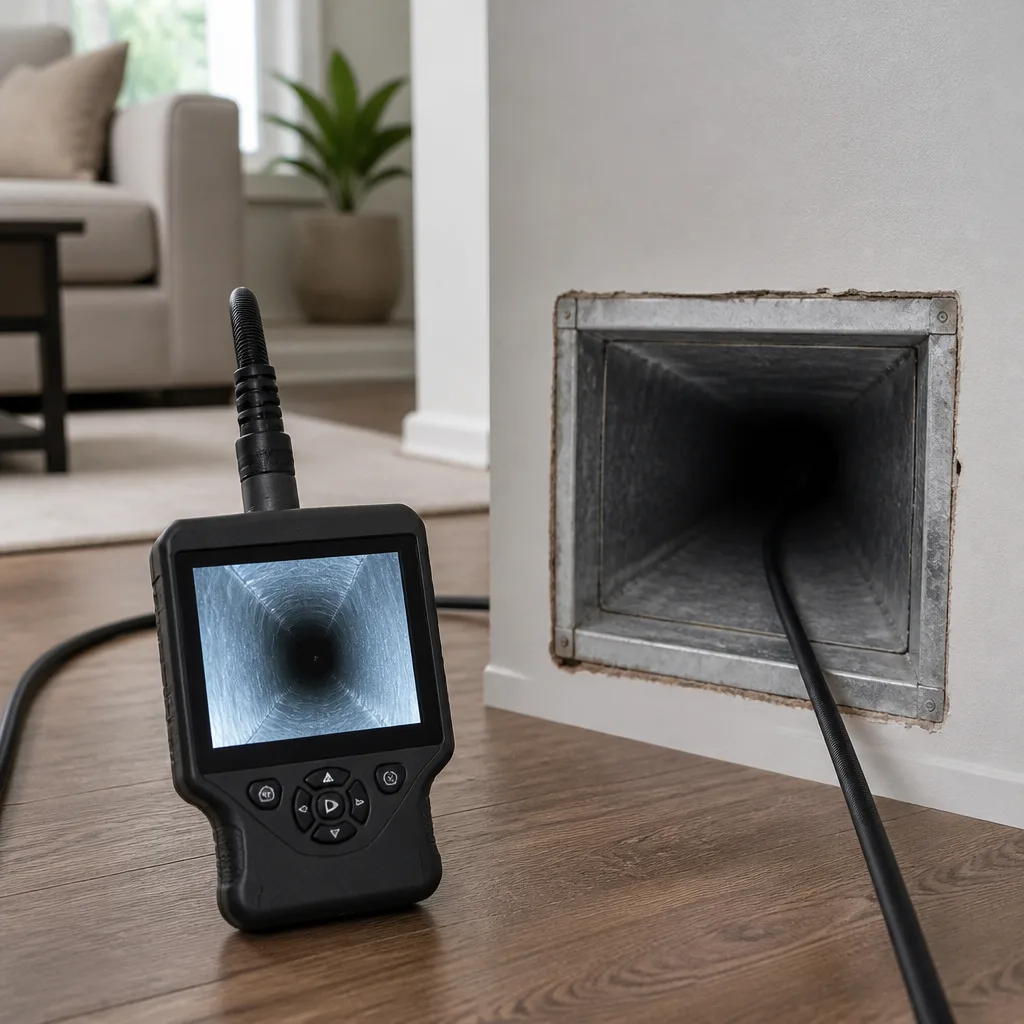 Camera inspection
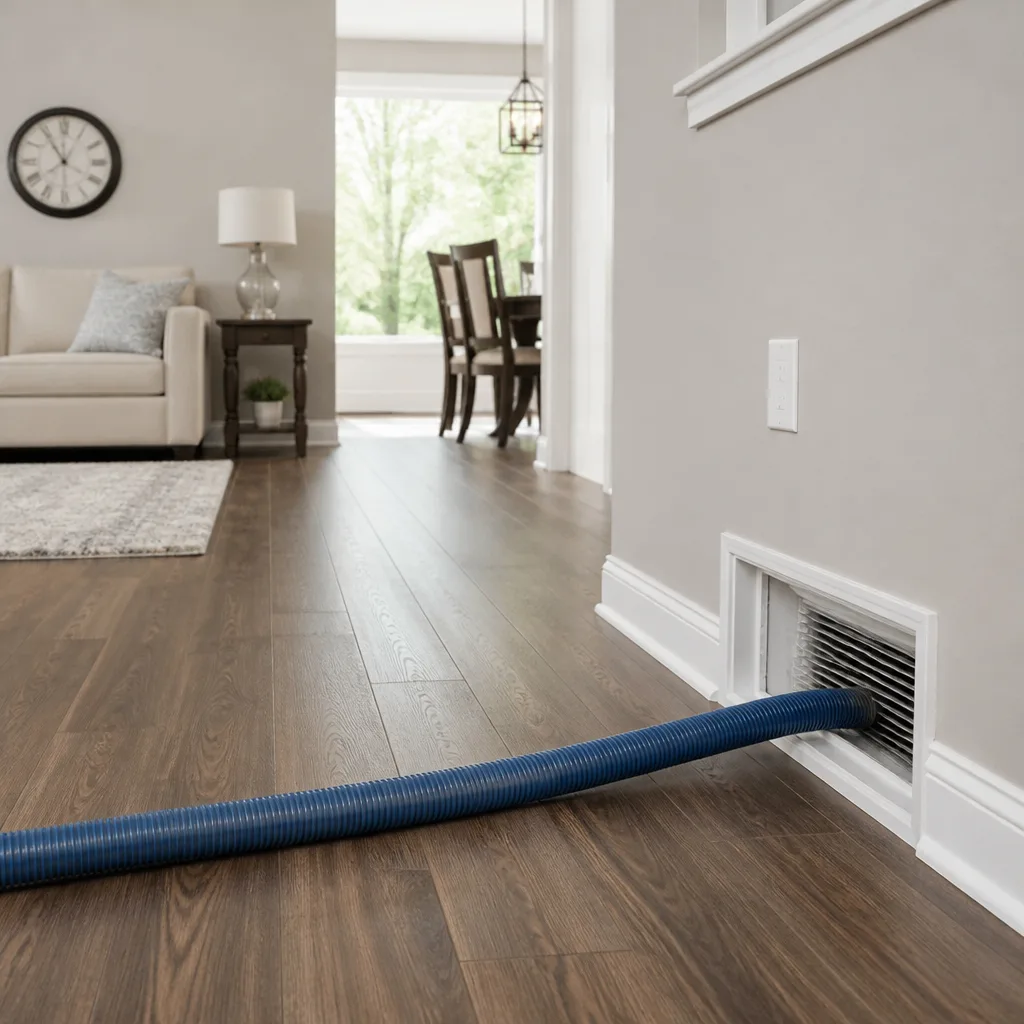 Sanitizing & deodorizing
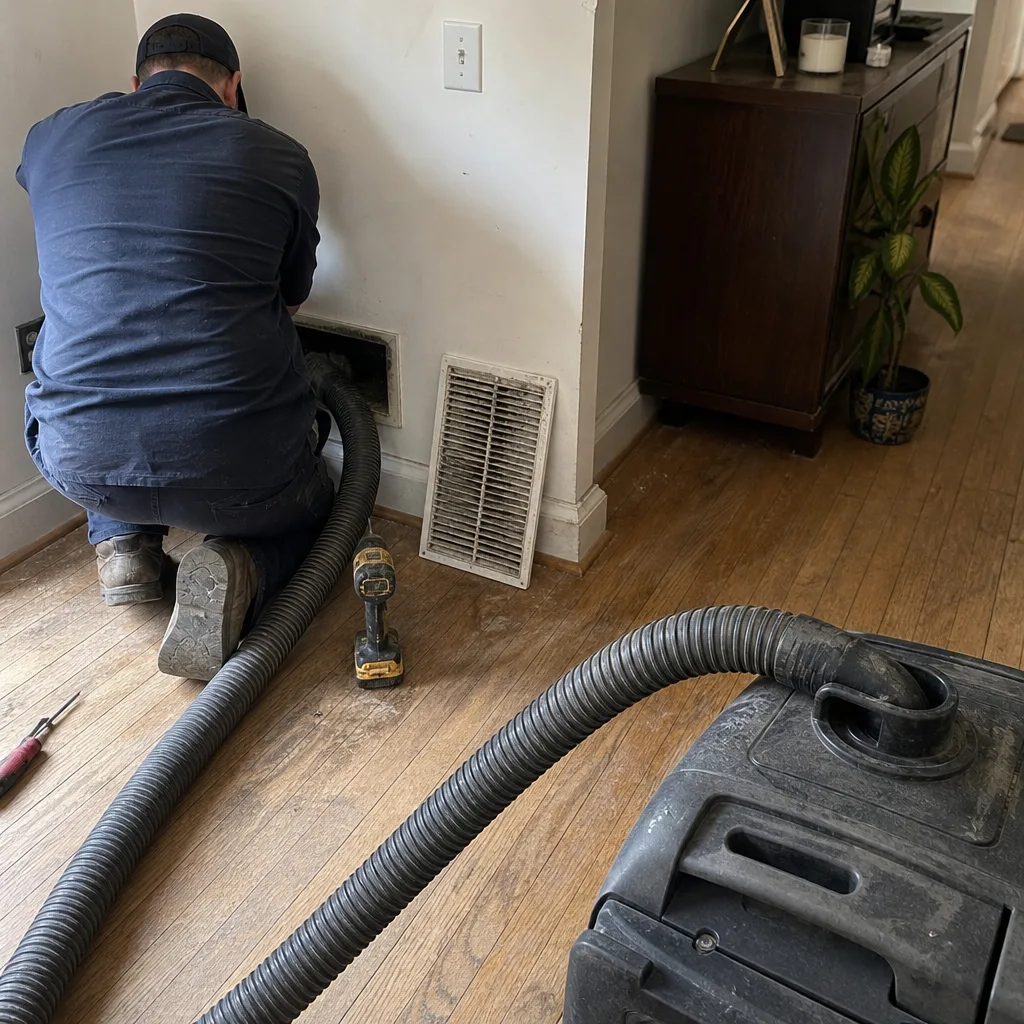
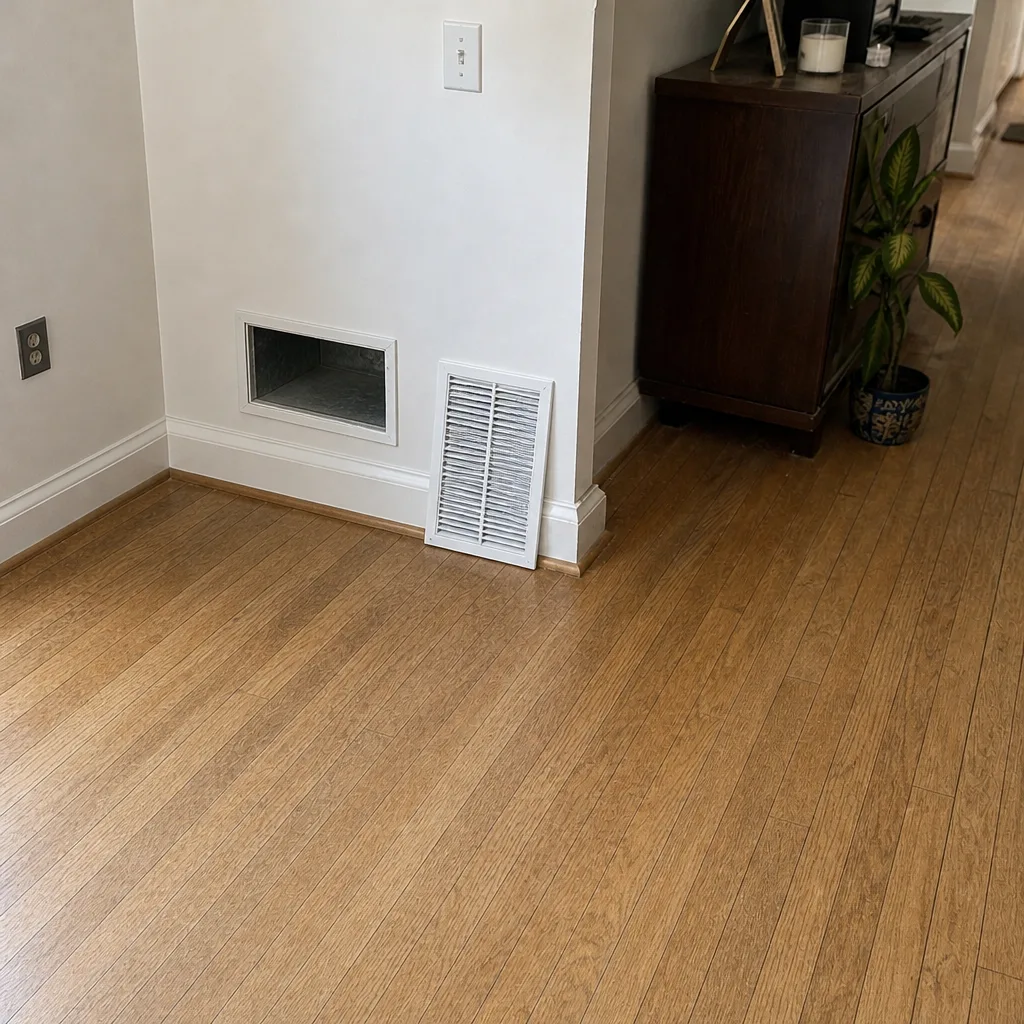
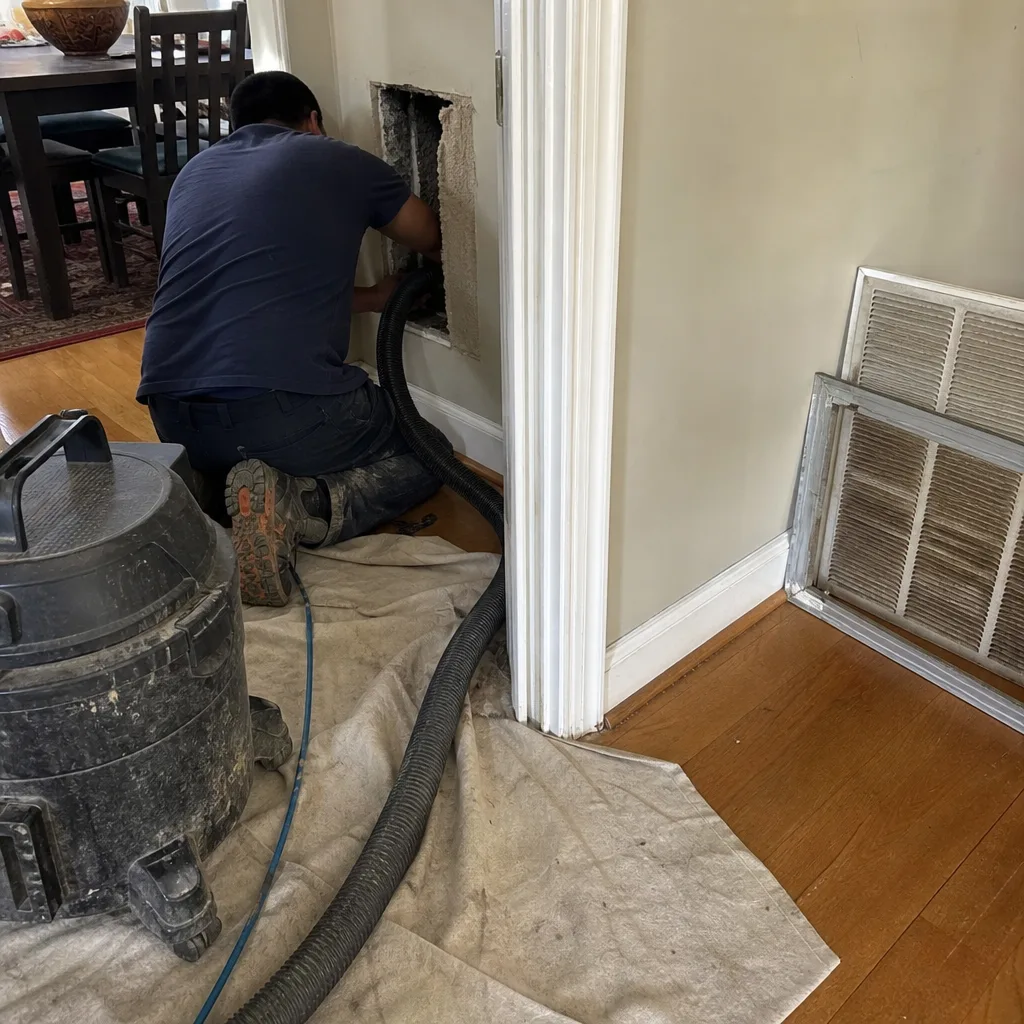
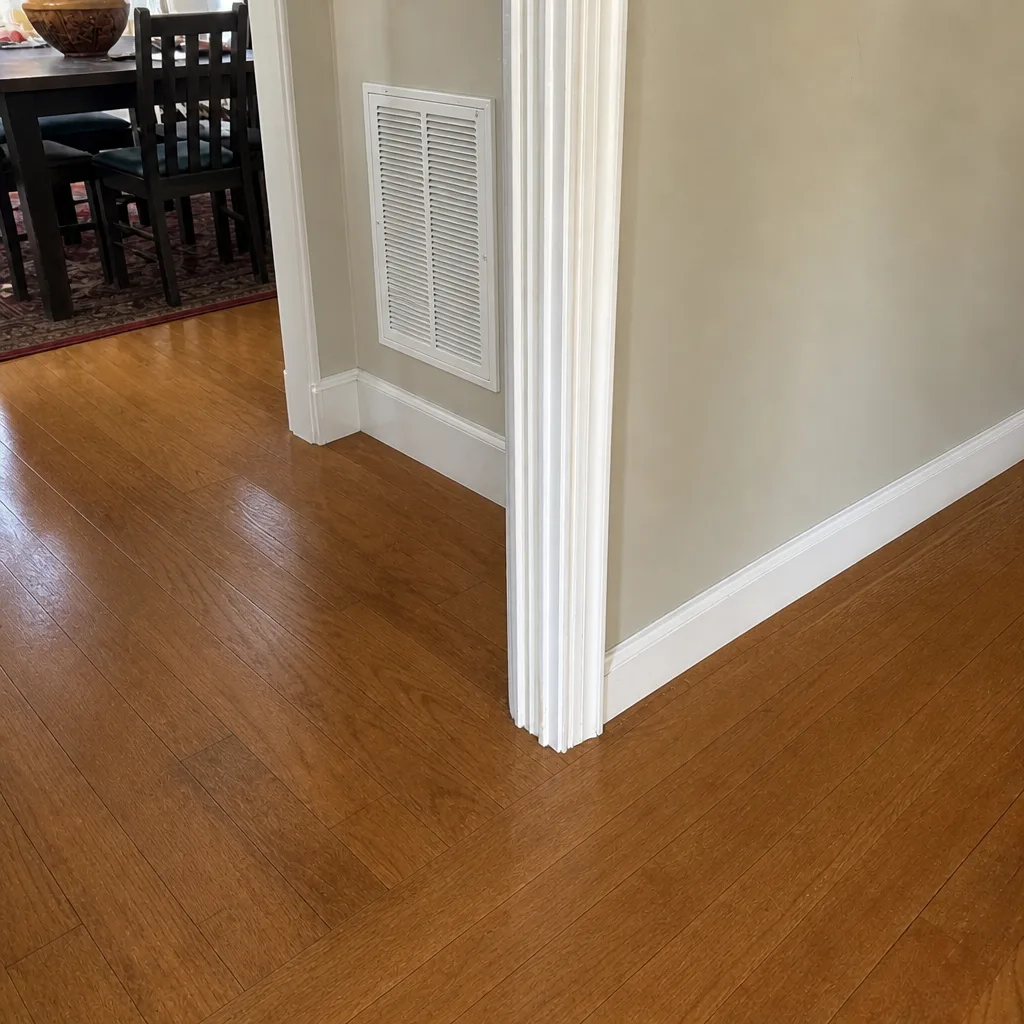
Whole-system duct and dryer vent check with before-and-after photos - you see exactly what came out of your vents
That "$99 whole-house special" is a bait ad - the real number appears once they are in your hallway, or the "clean" is a shop-vac at the register. We photograph the inside of your ducts before and after instead.
Air Duct Cleaning Warning Signs: An Arlington Homeowner’s Reference Guide
Dust on your supply grilles is not a warning sign. It’s completely normal, and it doesn’t mean your ducts need cleaning. That single fact separates a useful guide from a sales pitch, because most “warning sign” lists start with the one symptom that proves nothing at all. Knowing which signals actually matter means understanding what sits upstream of what you can see, and how Arlington’s housing stock and climate help decide whether a symptom is routine or worth a call. This guide walks through what each sign really means, gives you a severity framework to judge it yourself, and helps you say no to unnecessary service as confidently as you say yes to the needed kind.
Quick Answer
The warning signs that genuinely point to dirty or failing ducts are a persistent musty or burning odor, visible mold or debris buildup inside registers, reduced or uneven airflow that tracing shows comes from the ductwork rather than the equipment, and a system that runs longer without keeping rooms comfortable. Surface dust at the grilles, by itself, means nothing. A recent flood, renovation, pest intrusion or HVAC replacement is a reason to schedule an inspection regardless of your normal schedule.
Styles & brands we work with
- Whole-home duct cleaning
- Dryer vent cleaning
- Camera inspection
- Sanitizing & deodorizing
Table of Contents
- Reading the Patterns at Your Grilles
- Airflow and Comfort Signals Worth Tracing
- Odor Diagnostics: Musty, Burning, and Chemical
- Post-Event Triggers That Call for Inspection
- The Three-Tier Severity Framework
- What Makes Arlington Duct Problems Distinct
- What a Real Inspection Actually Involves
- Common Mistakes to Avoid
- When to Call a Professional
- Frequently Asked Questions
Reading the Patterns at Your Grilles
Every grille in your home is a window into the ductwork behind it, but the pattern of what you see matters more than the fact that you see something. A light, even film of household dust on a supply register is the normal result of air moving past a surface, and it says nothing about the condition of the ducts themselves. What deserves attention is a pattern that changes, accumulates quickly, or appears only on some grilles and not others.
Here’s how to read what’s in front of you:
- Even film on all supply grilles. Routine house dust settling on a horizontal surface. Normal, monitor only.
- Heavy buildup on return grilles while supplies stay comparatively clean. The return is pulling more debris through than usual, which is worth a look at the filter and the return chase.
- Streaking or dark trails radiating from a grille. Air is moving with enough velocity to deposit material around the edges, often a sign of an obstruction or a too-small branch duct forcing pressure where it shouldn’t be.
- Fuzzy or matted dark growth inside the register box or on the boot. This is the pattern that reads as possible biological growth, and it’s the one to have looked at rather than wiped away.
- Debris visible when you remove the grille. Loose material sitting inside the duct, not just on its surface, is a genuine accumulation signal.
Arlington’s older homes raise the stakes on this reading. In older construction, ducts were often built as interior chases or runs tucked between floors, and after decades of seasonal expansion and contraction, seams loosen. That means debris-rich air can migrate out of the system before it ever reaches a supply grille, so a clean-looking grille doesn’t guarantee a clean duct. When we inspect an Arlington home, we look at both the supply and return sides and at the boots, because the visible face of the system is often the least informative part of it. If you want a full walkthrough of the cleaning process itself, see our air duct cleaning page.
Airflow and Comfort Signals Worth Tracing
Reduced airflow, uneven room temperatures and longer run cycles are the three HVAC signals that most often get blamed on dirty ducts, and sometimes the blame is correct. The trap is assuming any one of them proves the ducts are the cause. Tracing the signal back to its source is what separates a real duct problem from an equipment or filter problem that cleaning won’t fix.
Work through these steps before you schedule anything:
- Change the filter and note whether airflow improves. A clogged filter mimics a dirty duct worse than any duct problem does. If comfort returns after a fresh filter, your ducts may be fine.
- Check whether the problem is whole-house or room-specific. One cold room usually points to a single branch duct, a damper, or a disconnected run, not to the whole system.
- Listen at the registers. A whistle or a hard rush of air in one room and a weak trickle in another points to pressure imbalance in the ductwork.
- Note the run cycle. A system that runs steadily longer than it used to, without an airflow improvement after a filter change, is a sign to look at the duct and the equipment together.
- Look for a disconnected or crushed run. In a home with a crawl or attic duct run, a flexible duct that has been pinched or has come loose is a common cause, and it’s a repair, not a cleaning.
In our experience, a meaningful share of the “dirty duct” airflow complaints we trace in Arlington come back to a mechanical fault rather than an accumulation problem. That’s why we run professional-grade equipment that lets us see inside the system rather than guessing, and why we offer duct repair alongside cleaning. Diagnosing and fixing in one visit is more useful than reporting a problem and leaving it. If reduced airflow turns out to be a separator, a disconnection, or a crushed run, the fix is a repair, and you’ll find our approach on the Juniper Air Duct Cleaning main page.
Odor Diagnostics: Musty, Burning, and Chemical
Odor is the most reliable of the duct warning signs, and the type of smell tells you a great deal about what’s happening upstream. Three categories cover almost every case, and each points in a different direction. Reading them correctly can save you a needless cleaning and can also flag one of the few genuine “call now” situations.
Musty, damp, or earthy
A musty smell that appears when the system first starts and then fades is often a sign of moisture somewhere in or around the system, or of material that has been damp long enough to develop biological growth. This is the odor most closely tied to leaked condensate, a damp chase, or a filter that’s been allowed to sit wet. In Arlington, where the Potomac humidity lingers into fall and basements and crawl spaces are common, this category shows up more often than the others. Have it looked at rather than masked with a spray.
Burning or hot electrical
A faint burning smell at the start of a heating cycle can be normal dust burning off a heat exchanger. A strong burning smell that persists, or that appears during cooling, is not something to run through a checklist. Turn the system off and have a qualified HVAC professional look at it, because electrical and heat-exchanger faults are outside what any duct company should diagnose and outside our scope.
Chemical or solvent
A chemical or solvent smell is unusual and often traces to something stored near a return grille, a new product in the home, or a renovation source. If it appears suddenly and you can’t identify the source, treat it as an indoor air quality question and get it inspected.
If your ducts have been sealed with an existing IAQ system in place, the filtration brand matters to how the system handles odor and particulate. Familiarity with Honeywell and Aprilaire components is useful here, because understanding filtration systems, not just ductwork, is how the odor question gets answered properly. Dryer vent odors are a separate matter and point to a lint-clogged vent rather than the air system, which is the safety side of the same conversation covered in dryer vent cleaning.
Post-Event Triggers That Call for Inspection
Some duct problems have nothing to do with your normal schedule and everything to do with a single event. After any of the following, an inspection is worth scheduling regardless of when you last had the ducts cleaned, because the event introduces material or moisture that a routine cadence would never anticipate.
- Flooding or water intrusion. Even a small water event that reaches a duct chase or a return box raises the moisture question. Damp duct lining and insulation is the setup for growth, and it should be checked before you run the system hard again.
- Renovation and remodeling. Drywall dust, sawdust and construction debris are heavier and finer than household dust, and they settle inside ducts and are then distributed through the home. Major interior work in an Arlington rowhouse or condo frequently ends with a basement full of fine grit and a duct system carrying it everywhere.
- Pest intrusion. Rodents, insects and birds bring nesting material, droppings and debris into ductwork. A single sighting in the house is a reason to look inside the system, not just set traps.
- HVAC replacement. When a furnace or air handler is replaced, the existing ductwork stays put. It’s worth having the ducts inspected at the same time, because a new system moving more air through a debris-laden duct run pushes that debris into rooms.
- Moving into a home. You don’t know what the previous owner did or didn’t maintain. A first-time inspection is the reasonable baseline.
For a homeowner in Arlington, the HVAC replacement trigger is the most commonly skipped one. A new system is the moment the whole air path gets looked at, and it’s cheaper to inspect once than to clean the ducts a year later after the new equipment has been breathing through them.
The Three-Tier Severity Framework
This is the part most guides leave out: not every sign calls for the same response. Sorting a signal into one of three tiers lets you act with proportion instead of panic.
Tier 1: Monitor this
Signs that are consistent with normal operation and don’t justify a service call on their own:
- Even fine dust film on supply grilles
- A slight musty smell at first startup that fades within minutes
- Slightly uneven room temperatures in a well-insulated home
- Normal accumulation between your filter changes
Note the symptom, check it again in a few weeks, and act if the pattern changes. Most homes in Arlington sit here most of the time.
Tier 2: Schedule soon
Signs that point to accumulated debris or a needed repair and should be addressed on a planned timeline, not urgently:
- Visible debris inside the duct when a grille is removed
- Streaking or trails around multiple grilles
- Airflow that a filter change didn’t restore
- A room that’s consistently colder or warmer than the rest of the house
- A musty smell that lingers longer than it used to
- Having moved in recently or completed a renovation
These are worth scheduling a professional inspection and estimate, and because there’s no emergency, you can compare and decide without pressure.
Tier 3: Call now
Signs you should not put off:
- Visible biological growth in or around a register or boot
- A strong, persistent burning or hot electrical smell (turn the system off and call a qualified HVAC professional)
- Dampness from a recent water event reaching the duct area
- Pest activity you can see in the system
- A dryer vent that isn’t exhausting or is clogged with lint, which is a fire-risk reduction matter and not an add-on
Get these looked at promptly. The rest can wait for a scheduled visit.
What Makes Arlington Duct Problems Distinct
Arlington’s housing mix and climate shape which duct problems show up and how they present. The county sits between the Potomac and the inland neighborhoods, and the humidity that comes with the seasons is the driver that matters most. Warm, humid summers mean the air that reaches your ducts can carry moisture, and when a system cycles off, condensation has a chance to form in a duct run that runs through a warm zone. Over enough seasons, that moisture question turns into a musty smell and occasionally into the growth pattern worth a Tier 3 call.
The housing stock is the other half of the story. Arlington is a mix of older detached homes, tightly built rowhouses, and mid-rise and high-rise condos. Each brings a different duct problem:
- Older detached homes. Interior chases and sheet-metal runs with decades of seams opening up, plus basement or crawl returns that collect grit.
- Rowhouses. Shared walls mean a neighbor’s return or a party-wall chase can influence your system, and short runs mean debris finds its way to the grille faster.
- Condos. In-unit air handlers, tight closets and shared building systems mean duct cleaning has to be done carefully so debris isn’t redistributed to neighbors. Nikro HEPA-rated containment matters more in a building than it does in a detached house.
We’ve seen the humidity-and-housing combination play out across Arlington for years, and the pattern is consistent: what looks like a duct problem in a condo closet often turns out to be a filter and airflow question, and what looks like a filter question in an older detached home often turns out to be a duct seam and a return that needs attention. The city’s own page is a good starting point for how the area’s systems tend to behave; see Arlington for the local context.
What a Real Inspection Actually Involves
Understanding what a proper inspection looks like helps you judge whether a company is diagnosing or selling. A real inspection follows a sequence, and you’re entitled to see it happen.
- Interview and history. The technician asks about filter changes, recent events, and what you’ve noticed. Most of the diagnostic information comes from this conversation.
- Walkthrough of the system. They look at the air handler, the returns, the supplies, and any accessible duct runs, including attic, crawl and closet locations.
- Containment setup. Professional systems use HEPA-rated containment to keep the work area and the rest of the building clean during the service. Nikro equipment is built for this step specifically.
- Contact cleaning and visual verification. Rotobrush contact-cleaning systems are engineered to clean duct surfaces rather than just blow air through them, and the technician should show you before-and-after images of your own ducts.
- Repair assessment. A technician who can also repair ductwork will flag separations, disconnected runs and crushed flex while the system is open, rather than write it onto a list for someone else.
- Written estimate and flat price. The price is set per job by the written estimate, agreed before work starts, rather than priced per vent or padded at the end.
That last point is where the industry’s reputation for bait-and-switch gets answered. A quote that looks like a bargain and grows once the technician is on site usually means a low teaser price that becomes a much larger invoice. Our answer is a single flat price per system, agreed in writing before work begins, with before-and-after photos of your own ducts so you can see the difference for yourself. Our technicians have up to 11 years of experience, and containment procedures matter precisely because the drywall dust and debris we’re removing should never end up somewhere else in your home.
Common Mistakes to Avoid
- Treating dust on the supply grilles as proof you need a cleaning. It’s normal. The pattern and the accumulation rate matter, not the film itself.
- Assuming dirty ducts are the cause of every airflow problem. A clogged filter, a crushed flex run, or a closed damper will mimic a dirty duct, and cleaning won’t fix any of them. Trace the signal first.
- Choosing on price alone. The quote that undercuts everyone usually gets there by pricing per vent or by adding work on site. Compare what’s actually included, not the headline number.
- Skipping the inspection after an HVAC replacement or a renovation. Those are the events when the ducts most need a look, and Arlington’s tight rowhouses and condo closets make installation dust easy to overlook.
- Cleaning without a repair assessment. If a run is disconnected or a seam is open, cleaning it is a temporary fix. A company that can repair the ductwork is the one to call.
- Ignoring a dryer vent. A clogged dryer vent is a fire-risk reduction issue, not an upsell. It’s one of the limited number of signs on this list that genuinely merits a Tier 3 call.
- Using a shop-vac approach. The difference between professional-grade Rotobrush equipment and a shop-vac is contact cleaning with containment versus blowing dust around. Ask which one you’re getting.
When to Call a Professional
Call a professional when you see visible growth inside a register, when a strong burning smell or a persistent musty odor won’t clear, when a water event has reached the duct area, or when pest activity is inside the system. Call when a filter change doesn’t restore airflow, when multiple grilles show the same streaking pattern, or when you’ve just moved into a home or completed a renovation. Call when you have an older HVAC system and want to know what’s inside the ducts before the new equipment starts moving air through them, and when your dryer vent isn’t exhausting the way it used to. Juniper Air Duct Cleaning offers free estimates in Arlington. Call (844) 932-0326. We answer 24/7. Fast dispatch from 7am to 7pm, Sunday through Friday.
See the difference
 Before
 After
 Before
 After
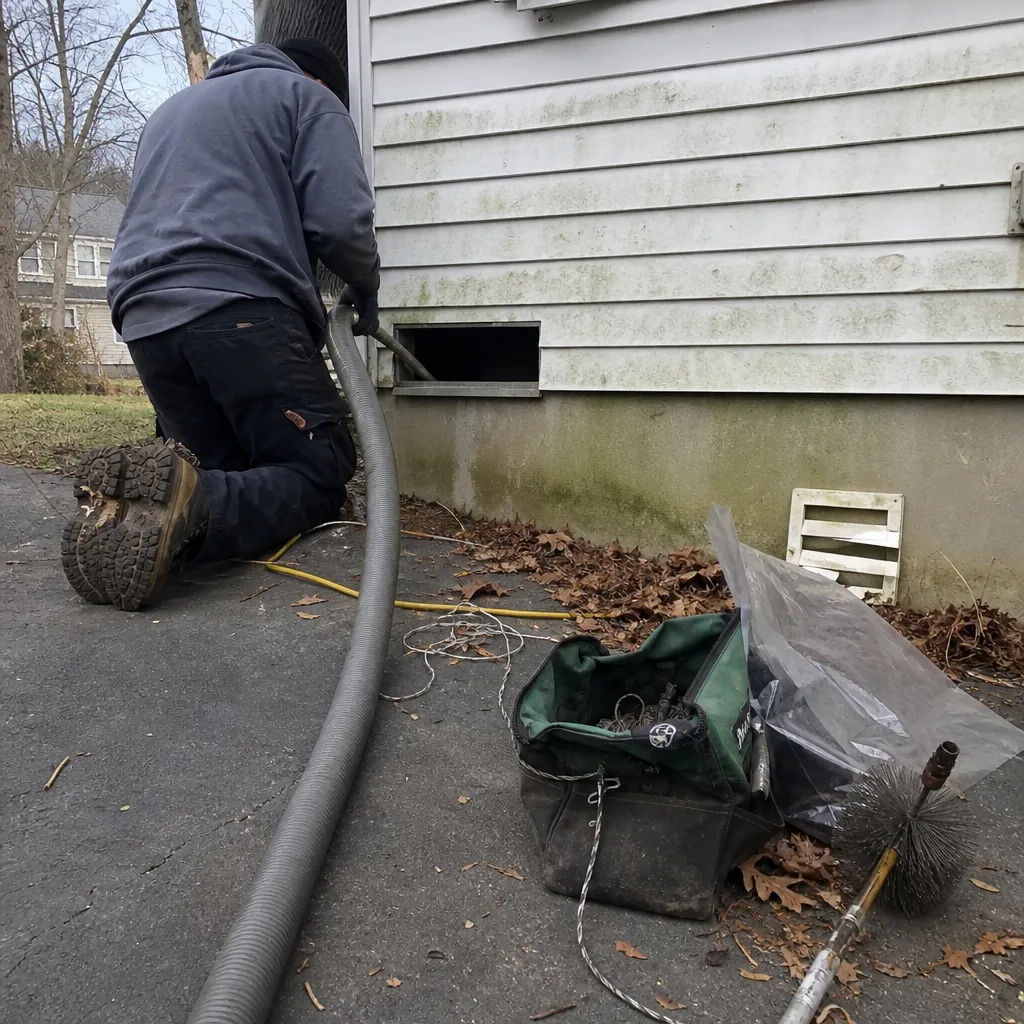 Before
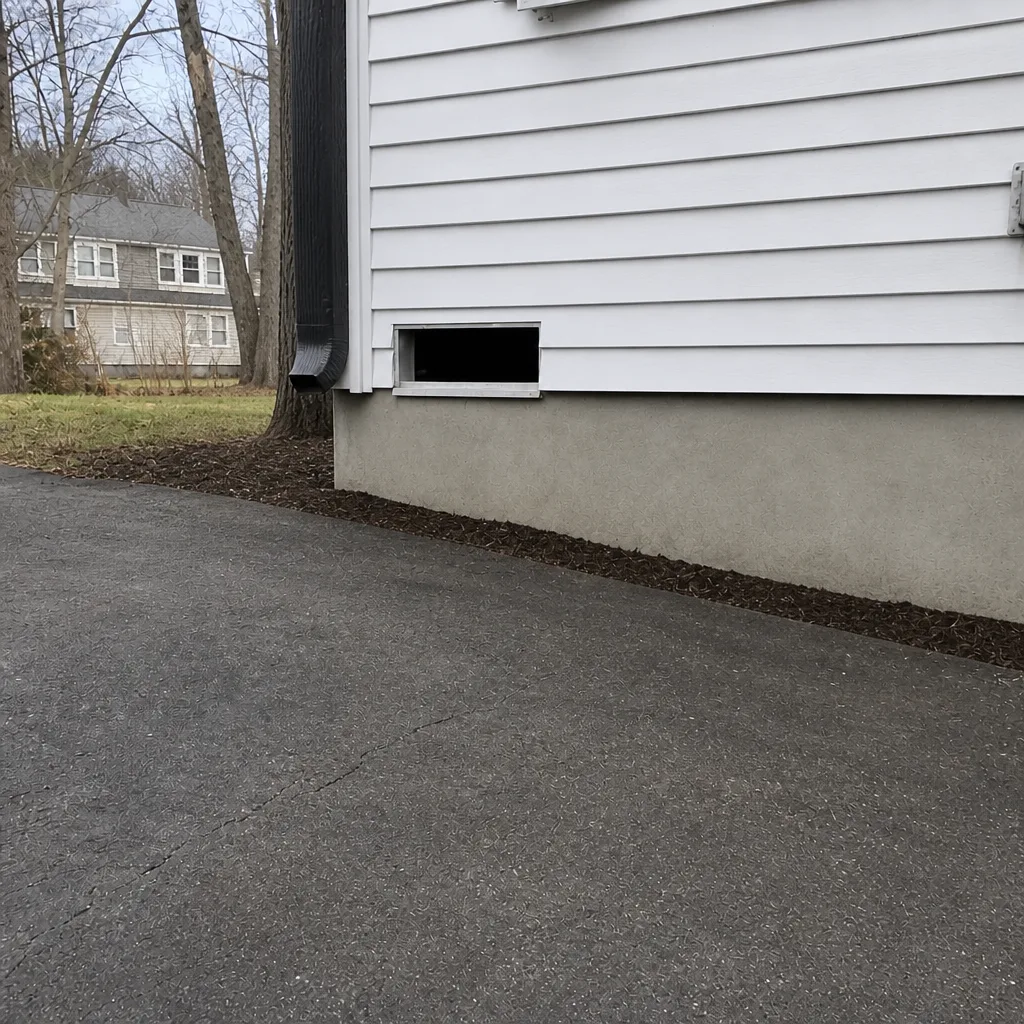 After
Frequently Asked Questions
Air duct cleaning in Arlington is priced per system, not per vent, and the written estimate sets the final price. A company that quotes a low teaser figure by vent and then adds charges on site is the pattern to watch for. Ask for a single flat price per system agreed before work starts. Call (844) 932-0326 for an exact quote, estimates are free.
Low quotes usually come from per-vent pricing, from equipment that doesn’t do contact cleaning, or from a model where the price grows once the technician is in the home. Professional-grade Rotobrush systems and Nikro containment cost more to run than a shop-vac, and that difference shows up in the quote. Compare the scope, not just the number. Call (844) 932-0326 for an honest whole-system figure.
There’s no fixed schedule that fits every Arlington home. The honest answer is that it depends on your housing type, how often you change filters, whether you’ve had a water event or renovation, and whether anyone in the household has allergies. Most homes do fine with an inspection every few years and a cleaning when one of the triggers in this guide fires. Call (844) 932-0326 to talk it through.
Ask for before-and-after photos of your own ducts, not stock images. A company that inspects, cleans, and can also repair the ductwork has reason to show you what’s inside. Reputable work also comes with containment so the debris doesn’t end up elsewhere in the home. Call (844) 932-0326 and ask to see the process.
Visible growth at a register or boot points to moisture having been present in that area, and sometimes that’s the duct and sometimes it’s a nearby source like a leak or a damp chase. It’s worth a look rather than a spray and a wipe. A duct inspection and a look at the surrounding area will tell you where the moisture came from. Call (844) 932-0326 to schedule an assembly review.
The humidity that comes with Arlington’s seasons makes moisture the main driver. Systems that cycle off in humid stretches can condense inside a duct run, and over enough seasons the pattern shows up as a musty smell. Homes here tend to need attention after moisture or humidity events rather than on a fixed clock. Call (844) 932-0326 if you’re seeing the Tier 2 signs.
The Bottom Line
The useful way to read duct warning signs is by mechanism and severity, not by fear. Even dust at the grilles is normal. Persistent odor, visible growth, airflow problems that a filter change doesn’t fix, and post-event triggers are what actually matter, and the three-tier framework separates the wait-and-watch cases from the ones worth scheduling soon and the few that call for immediate action. In Arlington, the mix of older detached homes, rowhouses, and condos means the same symptom can point in different directions, so inspection before cleaning is the order of the day. When the signs do line up, call (844) 932-0326 for a free estimate. We answer 24/7. Fast dispatch from 7am to 7pm, Sunday through Friday.
Written by the team at Juniper Air Duct Cleaning.