
Last updated November 15, 2026
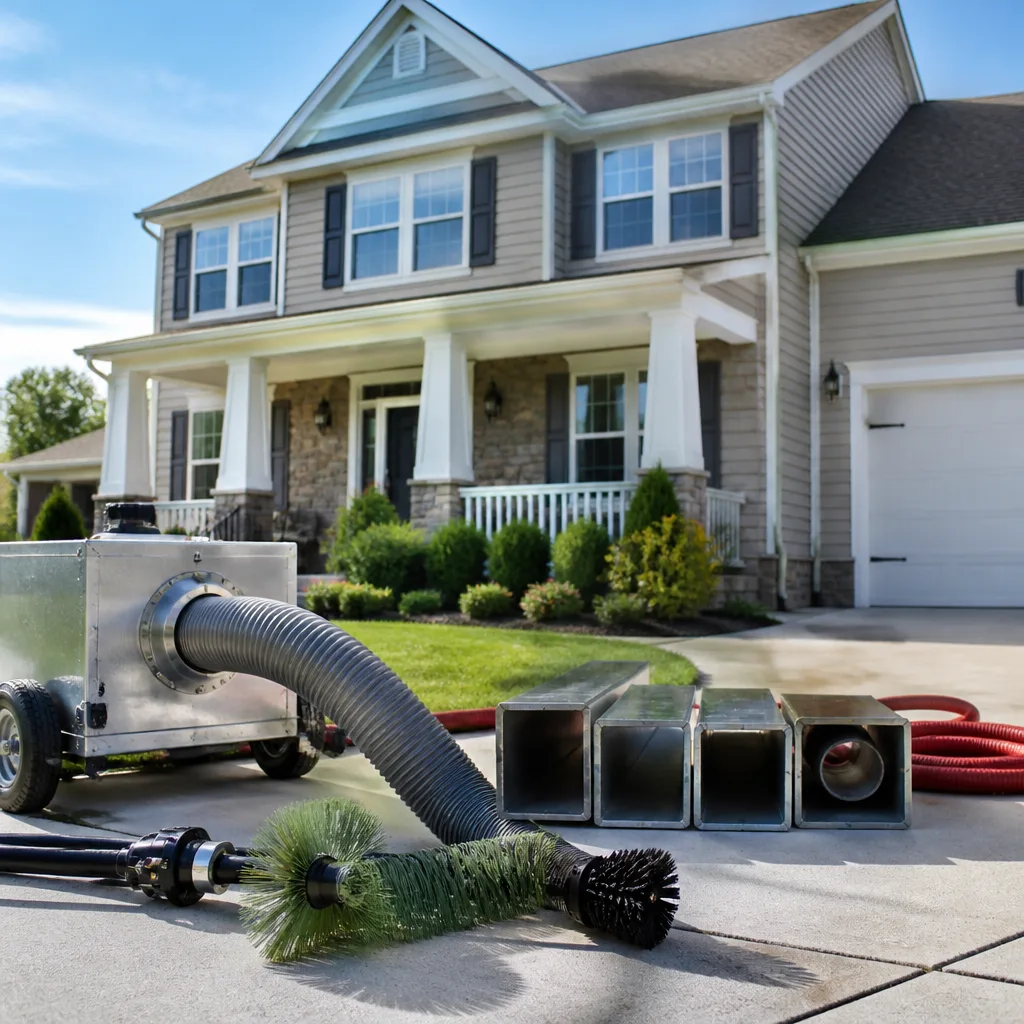 Whole-home duct cleaning
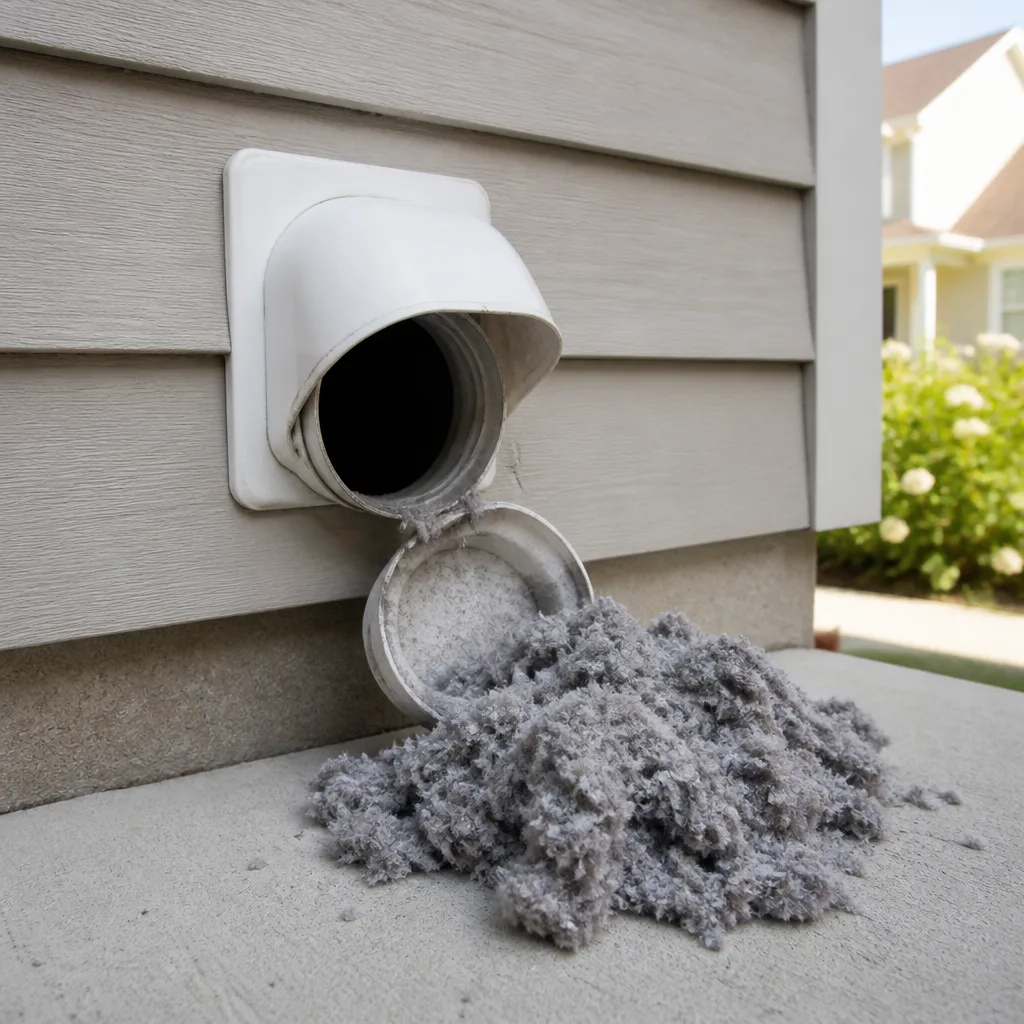 Dryer vent cleaning
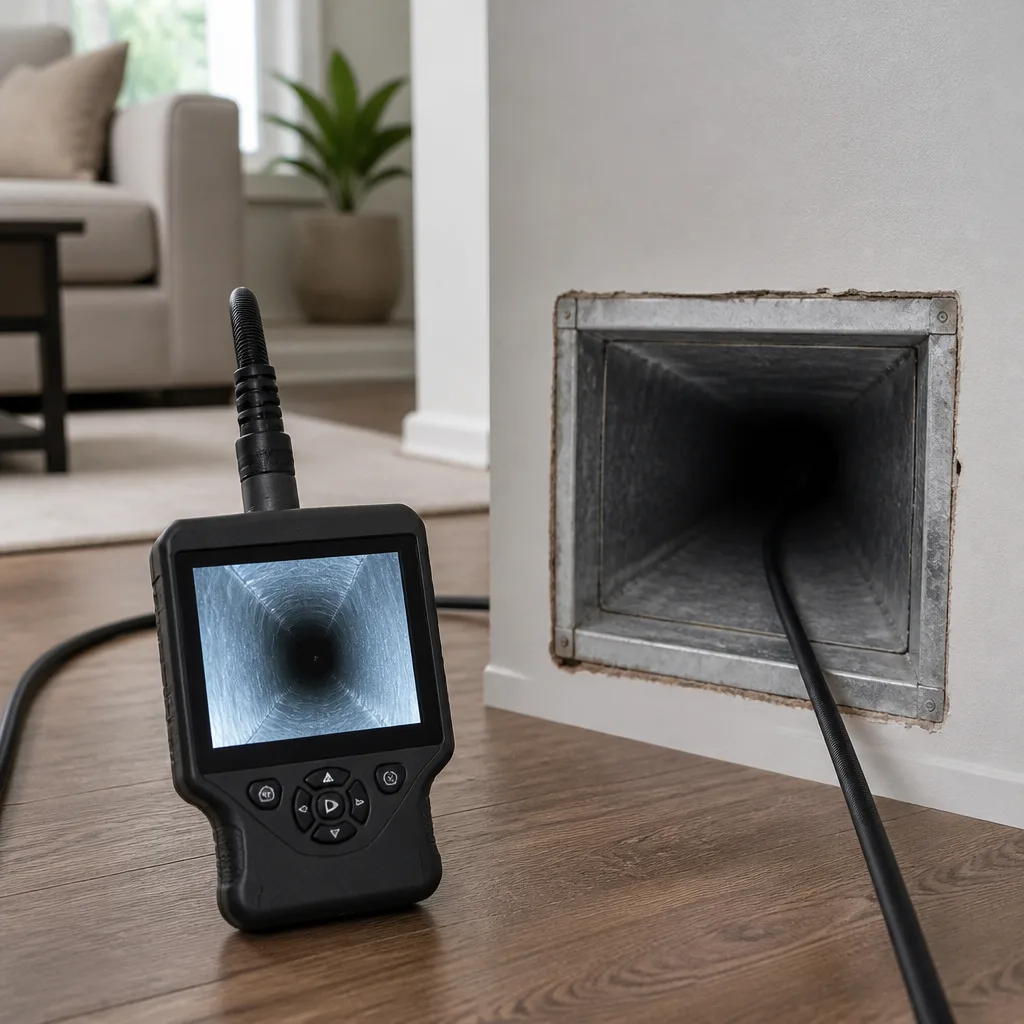 Camera inspection
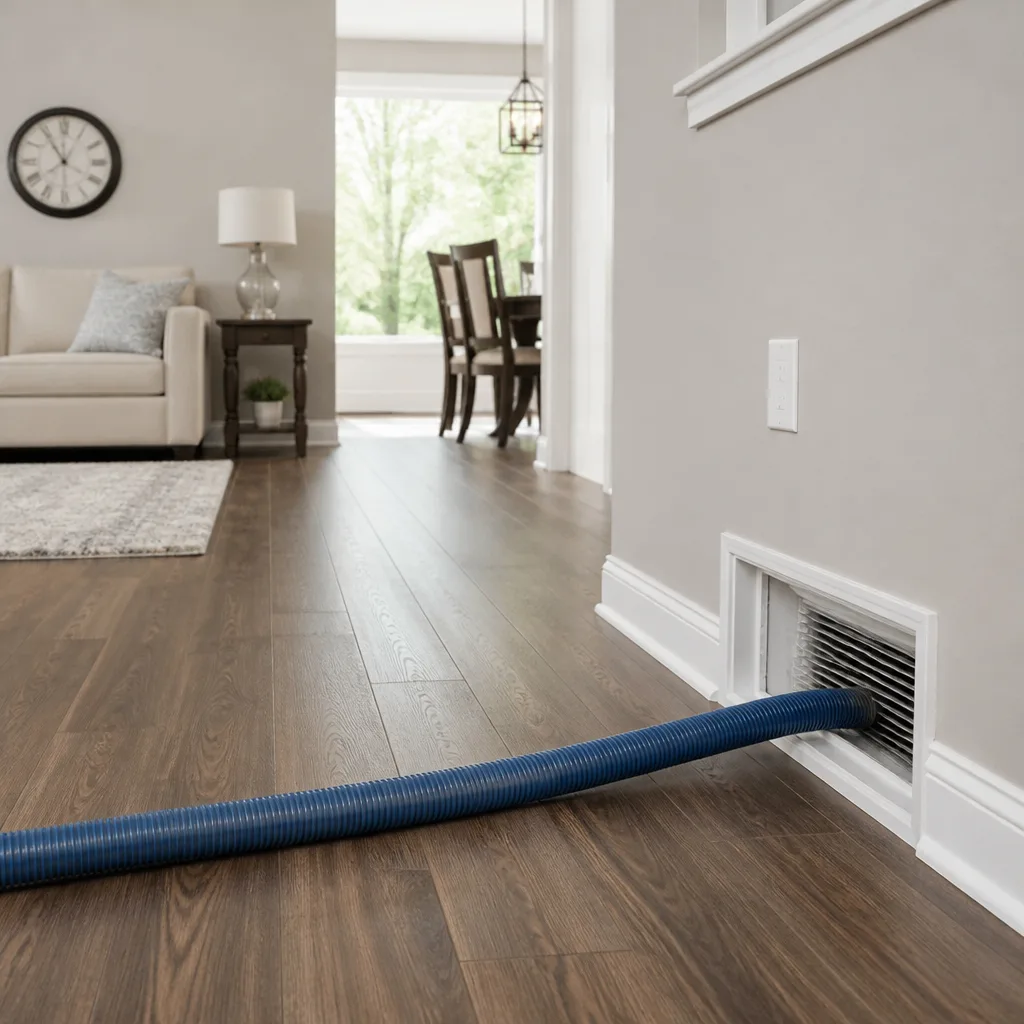 Sanitizing & deodorizing
Whole-system duct and dryer vent check with before-and-after photos - you see exactly what came out of your vents
That "$99 whole-house special" is a bait ad - the real number appears once they are in your hallway, or the "clean" is a shop-vac at the register. We photograph the inside of your ducts before and after instead.
How to Hire an Air Duct Cleaning Contractor in Arlington: A Step-by-Step Guide
Most Arlington homeowners start the search for a duct cleaning contractor by asking the wrong question. They ask about price first, or they check whether the company carries a business license and assumes that settles it. Here’s the uncomfortable truth: a business license and a logo on a van tell you nothing about whether the technician who shows up knows what they’re doing. The single most predictive factor in how a duct cleaning turns out is the equipment brought to the job. A shop-vac and a brush on a drill can actually make indoor air worse by stirring up debris that a real containment system would capture. This guide walks you through exactly what to ask, what to verify, and what to watch for before you book anyone in Arlington.
Quick Answer
To hire an air duct cleaning contractor in Arlington, verify the equipment first (professional-grade systems like Rotobrush and Nikro HEPA-rated machines, not shop-vacs), demand a written scope of work that specifies the whole system rather than a vague “whole house cleaning,” and get a flat per-system price agreed before anyone touches your ducts. Ask for before-and-after photos of your own system, confirm the contractor is licensed and insured, and walk away from any quote that’s dramatically below the market or that changes once the technician is on site.
Styles & brands we work with
- Whole-home duct cleaning
- Dryer vent cleaning
- Camera inspection
- Sanitizing & deodorizing
Table of Contents
- Why Equipment Is the Single Most Important Question
- The Exact Questions to Ask Before Booking
- How to Read a Duct Cleaning Quote
- The Bait-and-Switch Pattern and How to Spot It
- Which Credentials Actually Matter
- How to Structure the On-Site Walkthrough
- Arlington-Specific Considerations
- Red Flags That Should End the Conversation
Why Equipment Is the Single Most Important Question
The duct cleaning industry has a famously low barrier to entry. Almost anyone can print a business card, run a local ad, and show up with a vacuum. That reality is why the equipment question matters more than any other single factor. A contractor using a source vacuum with real airflow, a rotary brush system, and HEPA-rated containment will actually remove debris. A contractor with a consumer-grade shop-vac will loosen dust and send much of it back into your living space.
Here’s what to listen for when you ask about equipment:
- Rotobrush contact-cleaning systems. These are rotary brush-and-vacuum tools that make physical contact with duct interior surfaces rather than relying on suction alone. If a contractor pauses or doesn’t recognize the name, that’s a warning sign.
- Nikro HEPA-rated containment and filtration. A legitimate operation uses HEPA-rated filtration to capture fine particles during the job, preventing cross-contamination of your home. Ask directly whether they run HEPA-rated equipment, and ask what it captures.
- Abatement Technologies or comparable professional systems. If the contractor mentions commercial-grade equipment lines, ask how they apply to residential duct work. The answer should be specific, not a brand-name drop.
We run Rotobrush contact-cleaning systems and Nikro HEPA-rated containment because they’re the tools commercial contractors use to prevent exactly the problem homeowners fear: debris spread throughout the house. When you interview a contractor, ask which systems they use, request the names, and check whether those names mean anything to them. A professional will describe the equipment with ease. A hobbyist will change the subject to price.
The Exact Questions to Ask Before Booking
The difference between a good duct cleaning and a wasted afternoon often comes down to five minutes on the phone before you commit. Here are the questions we recommend you ask every contractor, in this order:
- What equipment will the technician bring, and can you name it? This is your primary filter. Rotobrush, Nikro, and Abatement Technologies are names a serious contractor knows. “We have professional equipment” is not an answer.
- What exactly does the scope of work include? A professional should be able to tell you whether the price covers supply and return ducts, the main trunk line, registers, HVAC unit surfaces, and dryer vent cleaning. Vague language like “the whole system” needs to be broken into specific components.
- Is the price flat per system or does it depend on something you’ll discover on site? One flat price per system, agreed before work starts, protects you from surprise add-ons. Ask for it in writing.
- Can you show me before-and-after photos of my own ducts? Not stock photos. Your ducts, before and after, from the actual job. Any contractor who can’t offer this is asking you to take their word for it.
- Are you licensed and insured? Get the word “yes,” and ask for confirmation in writing if you’re working with a property manager’s vendor list.
- Do you also perform air duct repair, or only cleaning? Cleaning reveals problems (loose joints, crushed sections, gaping seams). A company that only cleans will report issues and leave you to find someone else. A company that repairs closes the loop.
For homeowners in Arlington managing older HVAC systems or reacting to allergy symptoms, these questions matter because the stakes are about indoor air, not just tidiness. If your ducts are grimy enough to prompt a cleaning, they’re likely near enough to reveal something that needs repair too.
How to Read a Duct Cleaning Quote
A duct cleaning quote is only meaningful if it specifies scope. A one-line price with the phrase “whole house duct cleaning” is a promise your contractor can’t verify and you can’t enforce. Compare quotes by what’s included on paper, not by the bottom line. A legitimate scope of work typically names the following:
- The number of supply and return vents covered
- Whether the main trunk line is included
- Whether the HVAC air handler and coil surfaces are part of the job
- Whether register covers are removed, cleaned, and reinstalled
- Whether the contractor uses containment (HEPA-rated or otherwise) to prevent cross-contamination
- Whether before-and-after photos are part of the deliverable
- Whether dryer vent cleaning is included or quoted separately
On the pricing structure: most legitimate operations price by system, not by vent. A per-vent price is a red flag because it creates an incentive to count more vents and it discourages the contractor from doing thorough work on the system as a whole. Flat per-system pricing means everyone knows the number before work starts.
In our experience, homeowners who compare quotes using a checklist like this one almost always spot at least one bidder whose quote is thin on scope. That thin quote is often the cheapest line item, but only because it covers less. Ask any contractor whose bid looks unusually low which line items from the list above are excluded.
The Bait-and-Switch Pattern and How to Spot It
The bait-and-switch is the most persistent problem in this trade, and it’s worth understanding how the mechanics work so you can recognize the pattern before it costs you. The pattern usually begins with a teaser price that’s far below what a legitimate full-system cleaning can be done for. That price gets you on the phone, sometimes to a booking center, and once a technician is on site, the scope narrows or the price climbs.
Here’s what the pattern looks like from the homeowner’s side:
- Ad language offering a coupon-style price (“$99 whole house,” “any size system, one low fee”). No legitimate operation can clean a full residential system responsibly at that number. The advertised price is a door-opener, not a real quote.
- Phone scripts that won’t discuss scope. If the person on the phone can’t tell you what’s included, or steers every question back to the price, the scope is likely to change once the technician arrives.
- “We’ll find out once we’re there.” A bid that depends on discoveries made on site, but isn’t written as a range, leaves the final number entirely in the contractor’s hands.
- Pressure to add cleaning items mid-job. Additional services can be legitimate, but any add-on should be quoted separately and agreed by you before work proceeds, not presented as a fait accompli.
The defense is simple: one flat price per system, agreed in writing before anyone touches your ducts. If the contractor won’t commit to a flat price, treat that as the answer to your question.
Which Credentials Actually Matter
Arlington homeowners are rightly cautious about credentials, but not all credentials carry equal weight. The relevant question is what each one actually tells you. A few distinctions are worth drawing:
- Business license and insurance. These are baseline. You want to know that a contractor operating in your home carries both. Ask; don’t assume.
- Industry association membership. Membership in a trade association signals some level of engagement with the profession’s standards. It doesn’t, by itself, say anything about the specific technician coming to your house. Treat it as one point of confidence, not the whole picture.
- Equipment manufacturer familiarity. This matters more than many homeowners realize. A contractor who knows Rotobrush, Nikro, Honeywell, Aprilaire, or Abatement Technologies systems has worked with the equipment that defines professional work in this trade. Familiarity with premium IAQ brands signals filtration-system understanding, which translates directly to better cleaning and better diagnosis.
- Service scope. A contractor that offers duct cleaning, dryer vent cleaning, and duct repair has skin in the game across the whole system. A single-service operation can clean but may not be equipped to repair what it finds.
- Verification in writing. Nothing replaces the printed estimate with scope and price. If it isn’t written, it isn’t a promise.
What doesn’t move the needle on its own: a glossy website, a big ad buy, branded shirts, or a marketing certification badge with no verifiable standards behind it. Those are marketing noise. Equipment, scope, and written commitment are signal.
How to Structure the On-Site Walkthrough
The walkthrough is your one chance to verify the contractor’s work before it starts. It should happen before any equipment comes in, and it should follow a roughly consistent checklist. Here’s how we recommend you structure it:
- Confirm the scope against your written quote. Walk the technician through the estimate you received and point at registers, returns, and the air handler. Ask them to acknowledge, on the spot, what’s included.
- Ask where containment will go. A professional will explain where their HEPA-rated filtration or other containment setup will go before work begins. If the contractor can’t describe containment, that’s a problem.
- Point out any ducts you’re worried about. If you’ve noticed disconnected flex runs in the attic, crushed sections, or gaps at the registers, flag them during the walkthrough. Ask whether they’re in scope or a separate concern.
- Agree on before-and-after photos. Confirm that you’ll see photos of your own system, and ask when. During the job or after, but specify.
- Confirm the flat price in writing. If anything changed during the walkthrough, get the revised number in writing before work starts. If nothing changed, note the original number stands.
- Ask about dryer vent cleaning. If your dryer vent hasn’t been cleaned recently, ask whether the contractor handles that too (it should, as a fire-safety service, not a commodity add-on).
One note on safety: when the topic of duct repair comes up during the walkthrough, listen for whether the contractor treats electrical or gas-adjacent components with proper caution. Duct work often runs near wiring and near gas lines, and anyone working near either should describe the encounter carefully. A professional flags that boundary rather than crossing it.
Arlington-Specific Considerations
Arlington homes put duct systems through conditions worth understanding before you book. The region’s humid summers and cold winters mean your HVAC system is working hard for most of the year, cycling air through ductwork that sees wide swings in temperature and moisture. That cycling is a major reason dust, debris, and allergens accumulate in the supply and return lines faster than homeowners expect.
Housing stock in Arlington spans a wide range, from older homes in neighborhoods like Ashton Heights and Lyon Village to newer construction in Ballston and Clarendon. Older homes often have duct systems that were retrofitted or reconfigured over the years, which means disconnected flex runs, undersized returns, or gaps around registers are common. If your home is older, or if you’ve recently moved in and don’t know the duct history, a thorough duct cleaning is often the first step before any additional work makes sense.
Property managers across Arlington face the same questions at scale: vetting vendors, managing tenant complaints and turnover schedules, and confirming that the work actually happened. For owners with multiple units, the checklist in this guide is doubly important because the potential for short-cut work multiplies with volume. We work with property managers on multi-unit buildings around Arlington regularly, and the same verification steps apply: scope in writing, flat pricing per system, equipment names on the quote, photos of the finished work.
Dryer vent cleaning deserves a specific mention for Arlington. Vent runs in townhomes and stacked units frequently take longer, more winding paths through the structure than a homeowner assumes. Lint accumulates in those paths, and the fire-risk implications of a clogged vent are real regardless of where in Arlington you live. Treat dryer vent cleaning as a safety service, not as a line item to skip when the budget is tight.
Red Flags That Should End the Conversation
Some red flags are subtle. These aren’t:
- “We don’t need to see it; we clean anything.” No legitimate contractor quotes a duct system without understanding its size and layout.
- No written estimate before work starts. If the price isn’t in writing, you don’t have a price. You have a starting point the contractor controls.
- A price that drops further as you ask more questions. Bargaining down from an already-low number is a sign the original number wasn’t real.
- No ability to describe the equipment. “A big vacuum” is not an answer. Rotobrush, Nikro, and Abatement Technologies are answers.
- Refusal to discuss before-and-after photos. Your own system, photographed before and after, is the most basic verification step. A “no” here is disqualifying.
- No license or insurance documentation. This one is non-negotiable. Ask, and if the answer is vague, move on.
- Pressure to bundle services mid-job. Legitimate add-ons are quoted separately and discussed beforehand, never presented as a necessary surprise.
Common Mistakes to Avoid
- Comparing quotations on price alone. The lowest bid is often a lower scope, not a lower cost for the same work. Compare line items, not bottom lines.
- Booking before asking about equipment. The most informative question comes before scheduling. Ask the equipment question first, and let the answer govern whether you book at all.
- Skimping on the walkthrough. Skipping the on-site walkthrough to save ten minutes often means missing a scope change that costs real money once the equipment is out.
- Not asking about duct repair. A cleaning-only contractor will report problems without fixing them, which leaves you with a diagnosis and no remedy. Confirm upfront whether repair is part of what they do.
- Forgetting the dryer vent. Arlington townhomes and older homes often have long, winding dryer runs where lint builds up. If your dryer vent hasn’t been cleaned recently, add it to the scope now rather than later.
- Believing a per-vent price is a flat quote. Per-vent pricing increases with the number of vents the contractor counts. Ask for a flat price per system to eliminate that variable.
- Not asking who actually performs the work. Confirm the contractors or subcontractors who arrive are the people the company described. The equipment and scope you verified should arrive with the crew that does the job.
See the difference
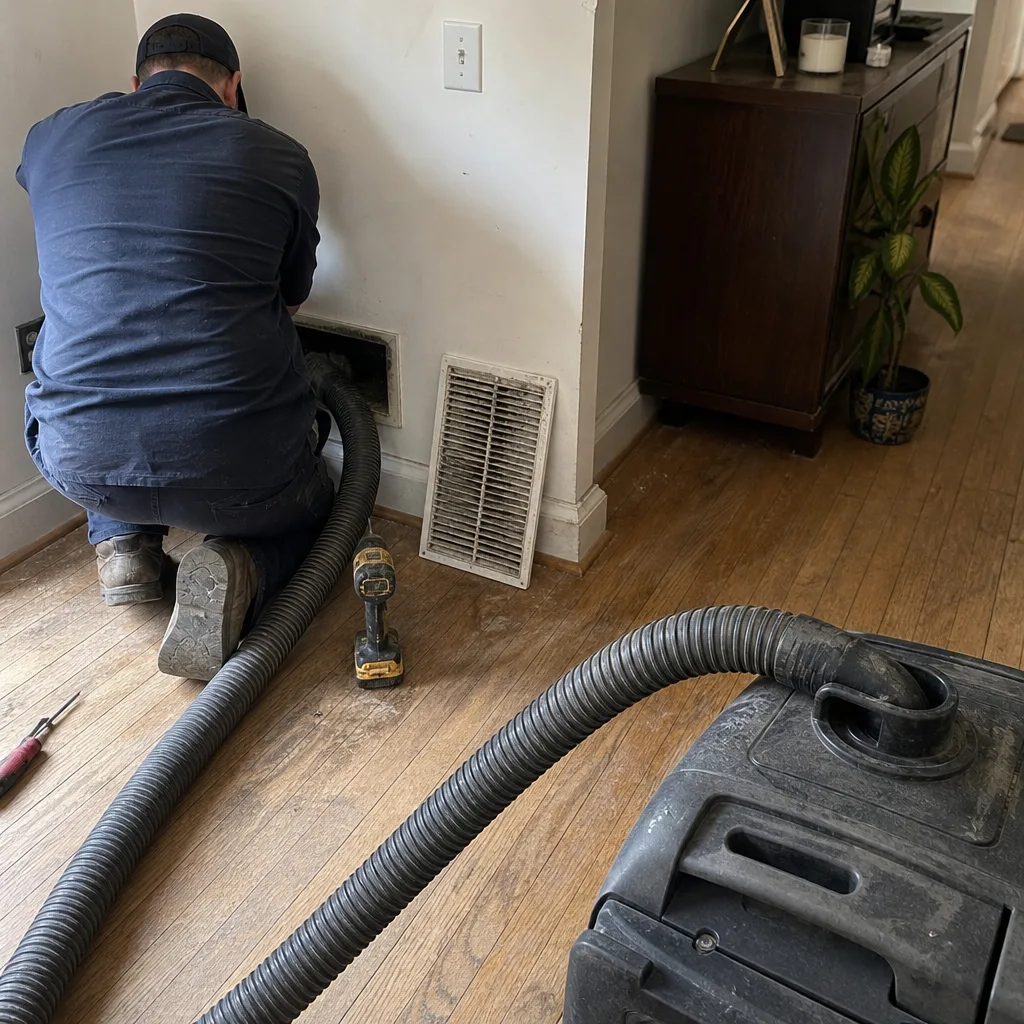 Before
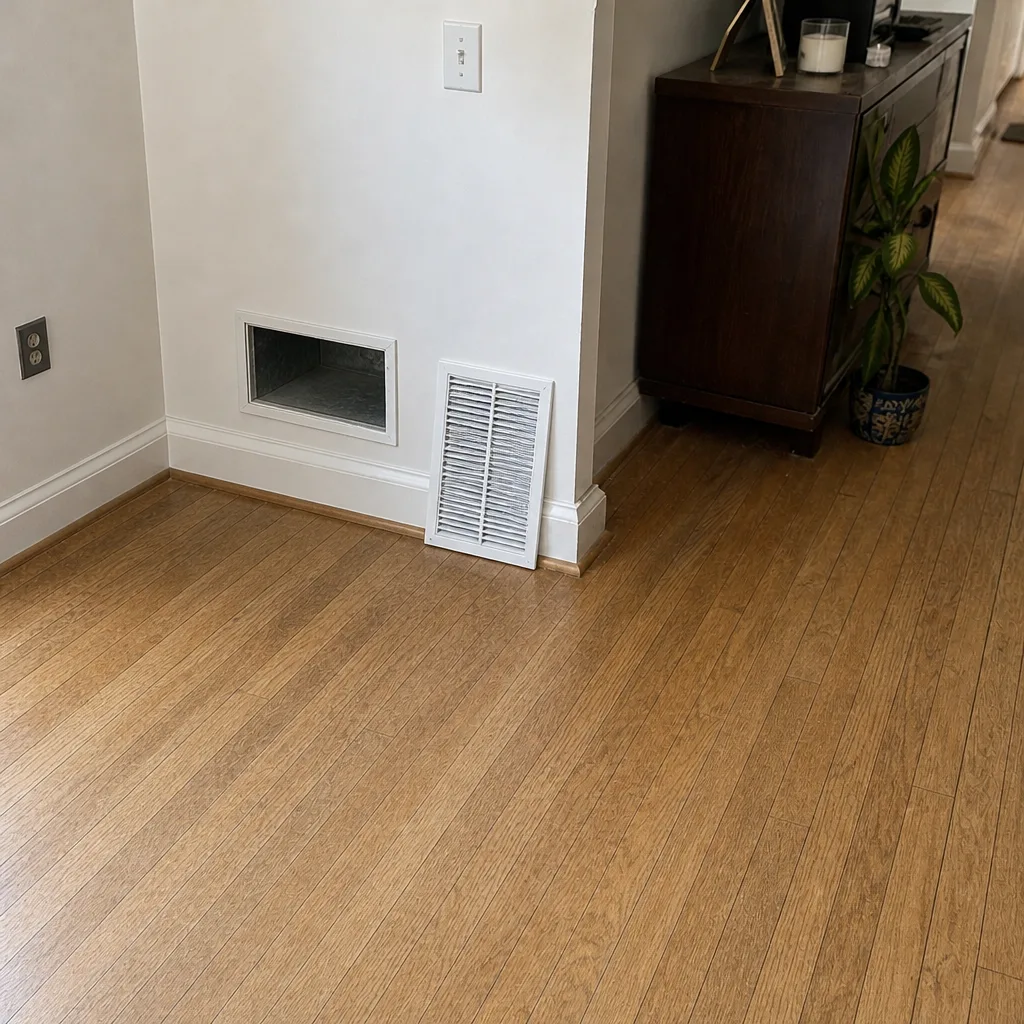 After
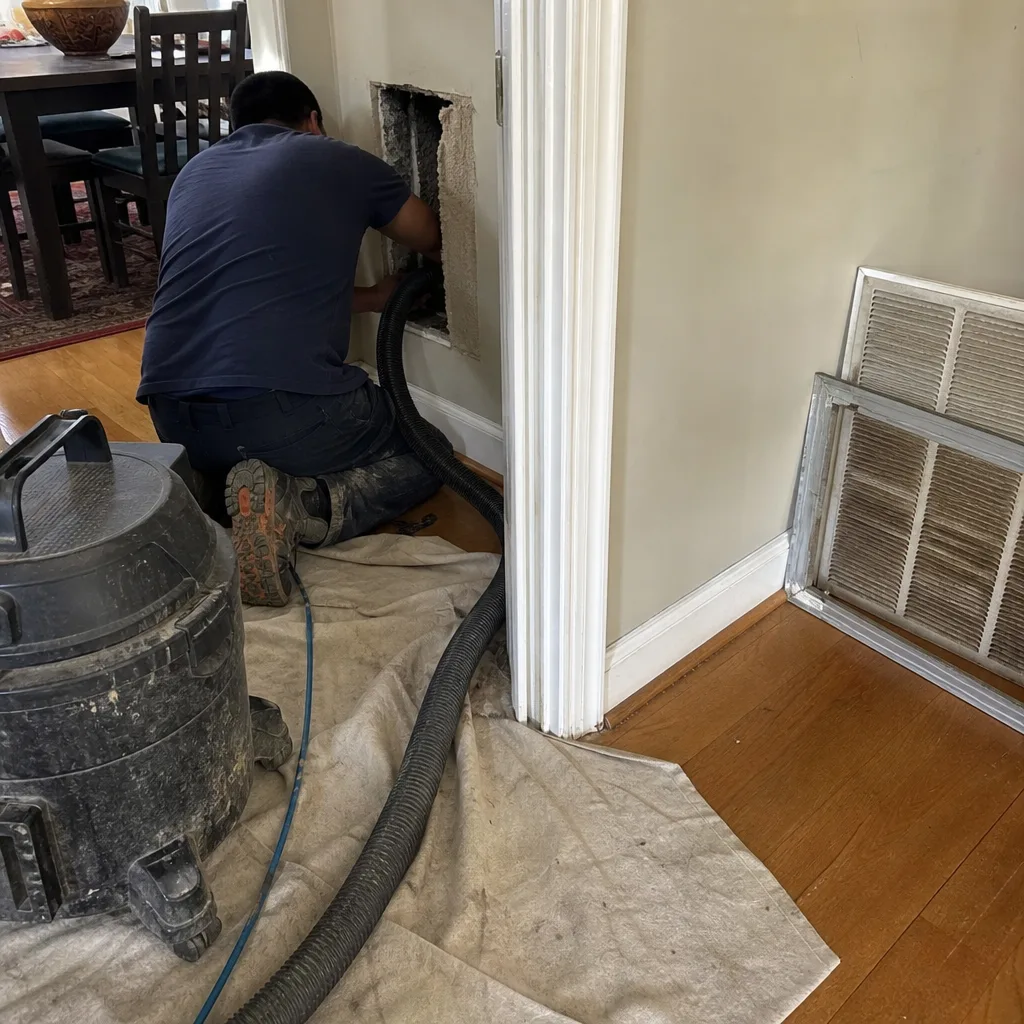 Before
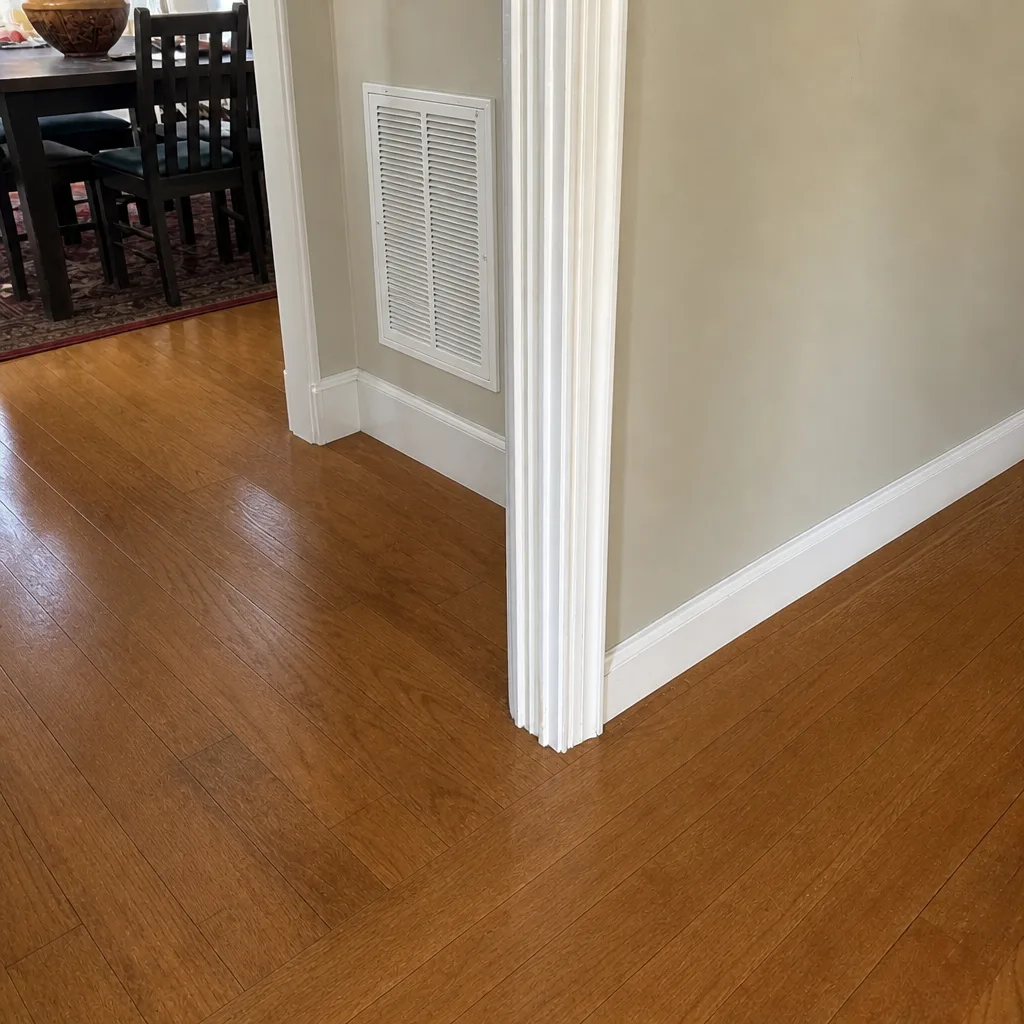 After
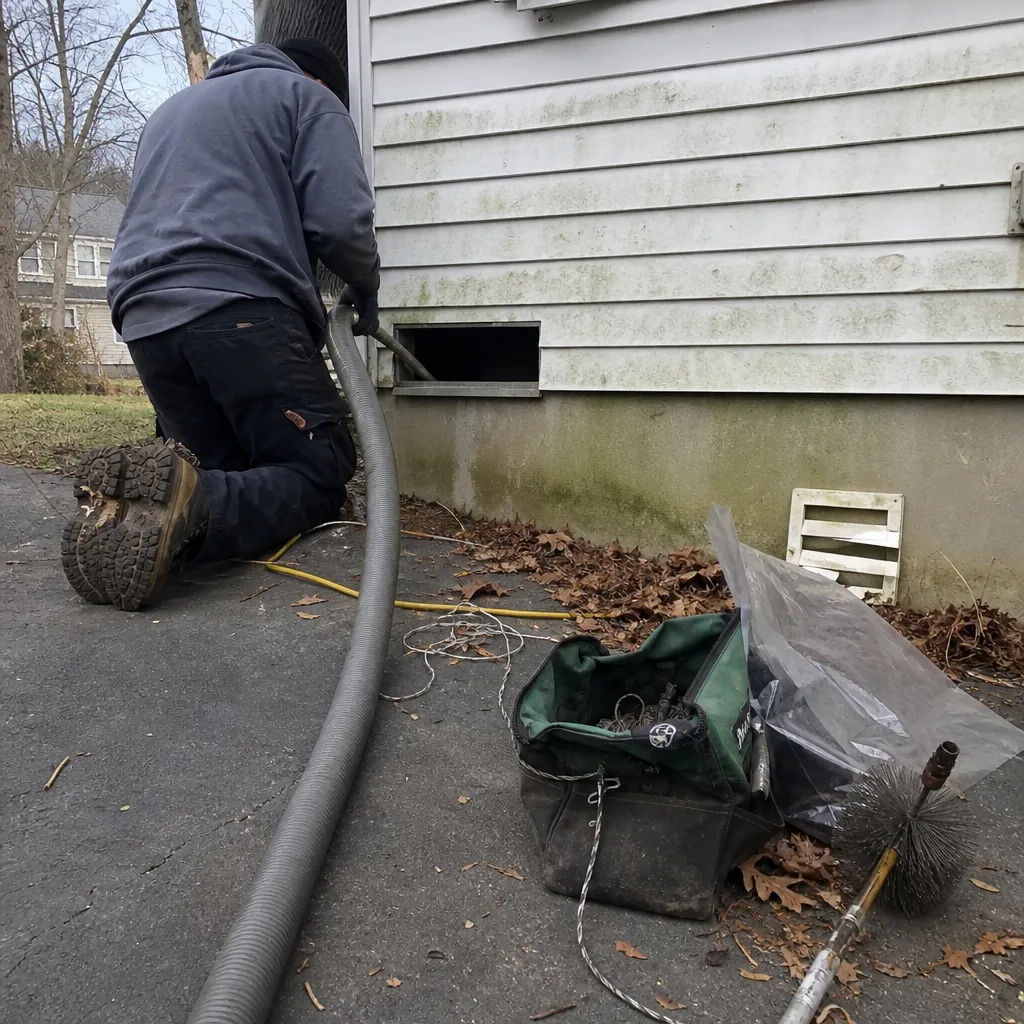 Before
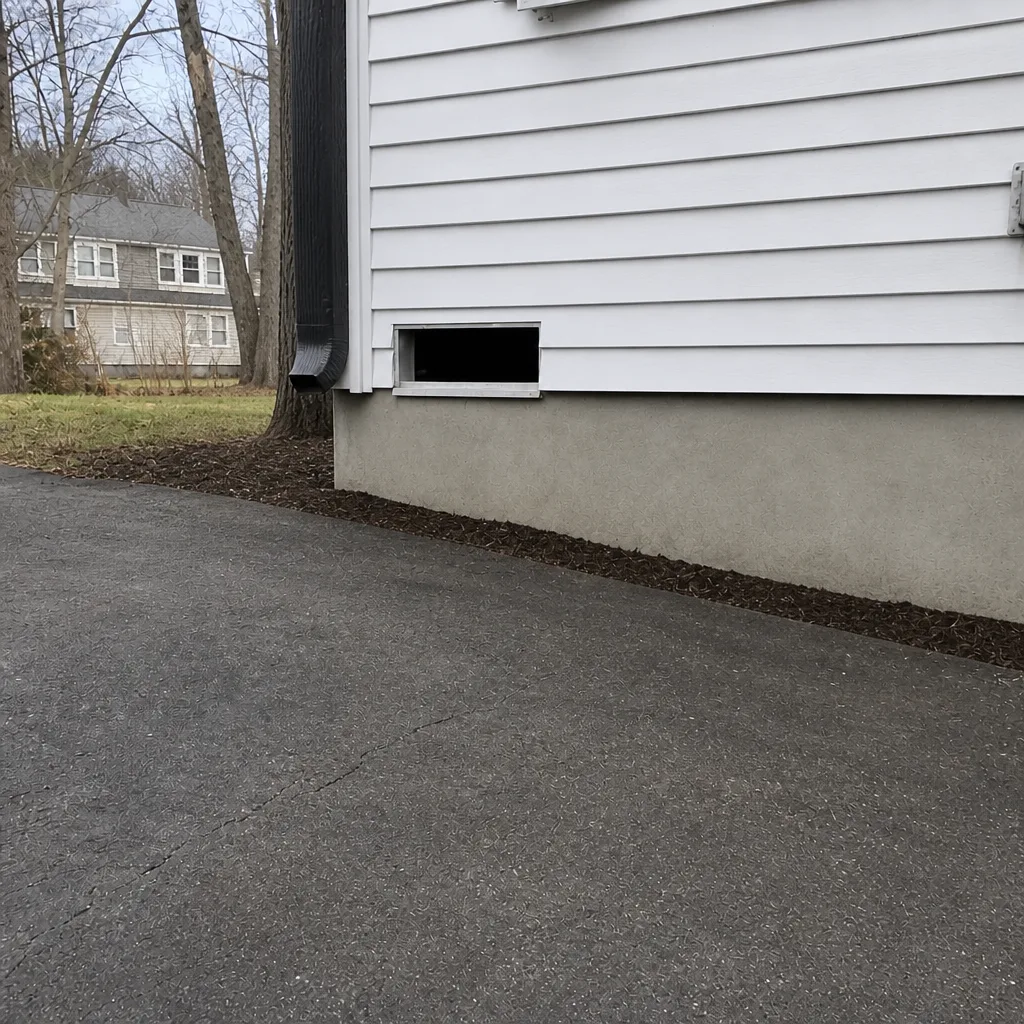 After
When to Call a Professional
Some duct problems don’t wait. If your HVAC system has recently been serviced, inspected, or altered, or if your home has recently been through a renovation, duct cleaning should follow because construction debris and disturbed dust in the system will circulate through your living space. Moving into an older Arlington home with unknown duct history is another clear trigger. So is persistent allergy or respiratory discomfort that doesn’t improve with filtration changes. Visible dust blowing from registers, uneven airflow between rooms, or a dryer that takes much longer to finish its cycle all point to duct or vent work worth professional attention. Don’t wait on disconnected flex runs or crushed ducts, either. Those require repair, not just cleaning, and the longer they sit, the worse the damage they cause to your system’s performance.
Juniper Air Duct Cleaning offers free estimates in Arlington. Call (844) 932-0326. We answer 24/7. Fast dispatch from 7am to 7pm, Sunday through Friday.
Frequently Asked Questions
Most full-system air duct cleaning in Arlington falls in a typical estimate range, and the written estimate you receive after a walkthrough sets the final price. What matters more than the range is what’s included in it: whole-system scope, HEPA-rated containment, and before-and-after photos. Bait-and-switch pricing tends to show up as a very low teaser rate that grows once a technician is on site. Call (844) 932-0326 for an exact quote; estimates are free.
No. A business license and a business phone number tell you only that the company exists. They say nothing about the equipment the technician brings, the scope of work, or whether the work will be done to a professional standard. The stronger question is what equipment the contractor uses (Rotobrush, Nikro, or Abatement Technologies, for example) and whether they offer before-and-after photos of your own system.
Duct cleaning removes dust, debris, and allergens from the inside of your ductwork. Duct repair addresses physical problems the cleaning reveals: disconnected runs, crushed sections, gaps at joints, and damaged connections. Many cleaning jobs turn up at least one repairable issue, which is why we recommend asking whether the contractor handles repair as well as cleaning. A cleaning-only contractor will note a problem and leave without fixing it.
If it hasn’t been done recently, yes. Lint accumulation inside a dryer vent is a fire risk regardless of where the vent runs, and in Arlington townhomes and stacked units the vent path is often long and winding, which makes accumulation more likely. Treat dryer vent cleaning as a fire-safety service, not a cosmetic add-on. Ask whether it’s included or quoted separately when you book a duct cleaning.
There’s no universal schedule. Many homeowners benefit from cleaning every few years, but the right interval depends on your HVAC system, whether you’ve just completed a renovation, whether the previous occupants’ maintenance history is unknown, and whether anyone in the household has allergies. If you’re moving into an older Arlington home or have recently finished a renovation, cleaning earlier than the general rule is worth considering.
Before-and-after photos of your own ducts are the clearest answer. Ask the contractor to commit to photos of the specific system in your home, taken during or after the job. Combined with a written scope of work, a flat price agreed beforehand, and confirmation that HEPA-rated containment was used, photos close the loop. Call (844) 932-0326 for an exact quote; estimates are free.
The Bottom Line
Hiring an air duct cleaning contractor in Arlington comes down to a short list of verification steps that most homeowners skip. Ask about equipment first and expect specific answers (Rotobrush, Nikro, Abatement Technologies). Demand a written scope of work that names every component, and refuse a quote that only says “whole house.” Insist on a flat price per system agreed before work begins, and treat any unexpectedly low teaser price as a warning. Verify credentials, ask for before-and-after photos of your own ducts, and confirm whether the contractor also performs air duct repair so problems can be fixed, not just identified.
Juniper Air Duct Cleaning specializes in air duct cleaning, dryer vent cleaning, and air duct repair using professional-grade equipment and HEPA-rated containment. We work in Arlington with homeowners and property managers who want a verifiable process rather than the cheapest bid. When you’re ready to book, call (844) 932-0326. We answer 24/7. Fast dispatch from 7am to 7pm, Sunday through Friday. Our technicians have up to 11 years of experience, and estimates are free. Learn more about the full scope of what we do at Juniper Air Duct Cleaning, or read our dedicated guide to service in Arlington.
Written by the team at Juniper Air Duct Cleaning.