
Last updated November 15, 2026
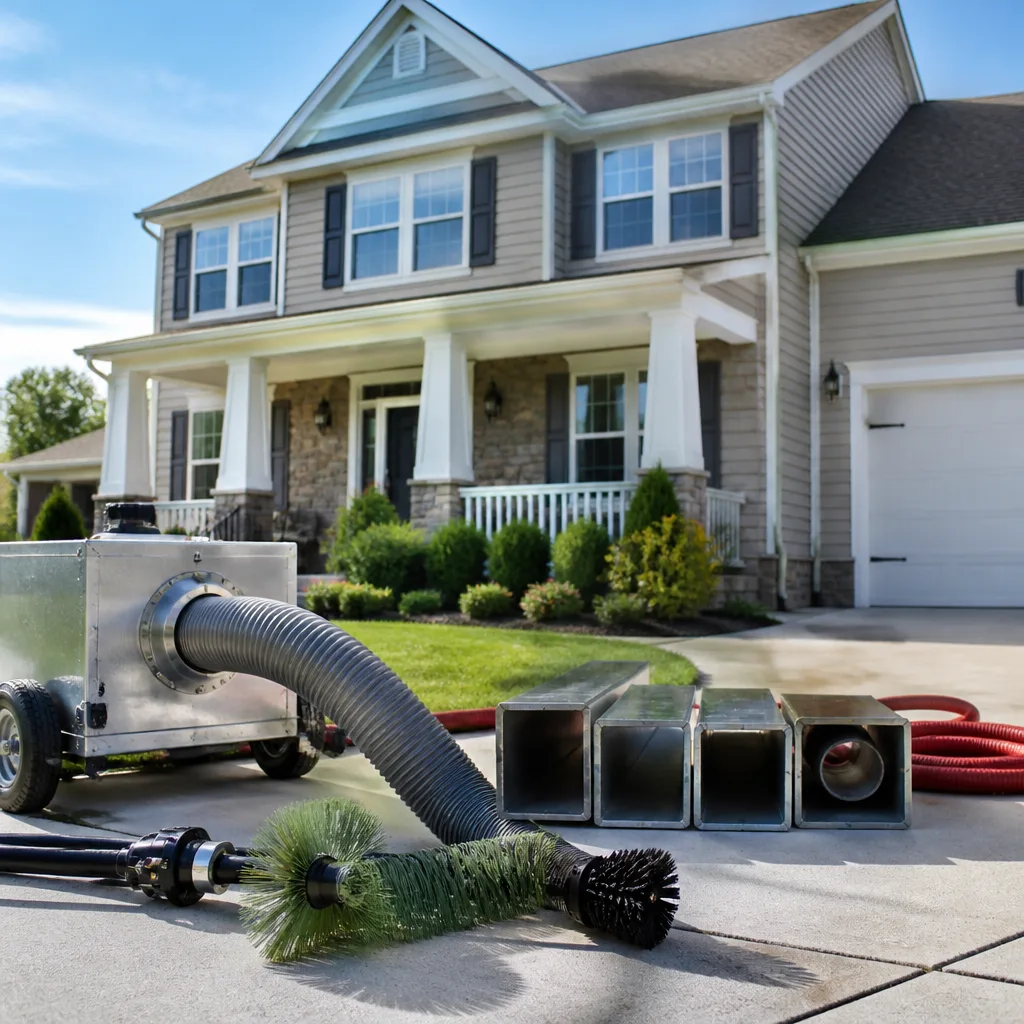 Whole-home duct cleaning
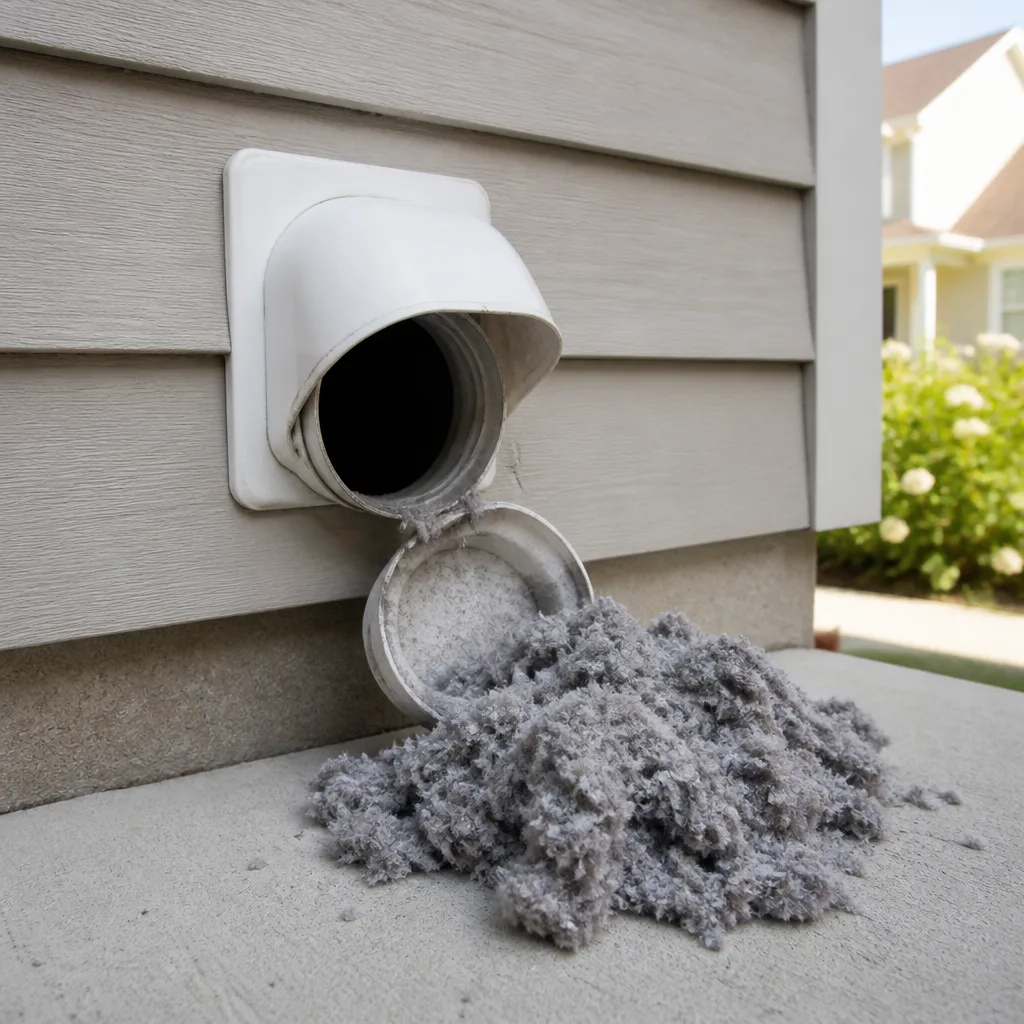 Dryer vent cleaning
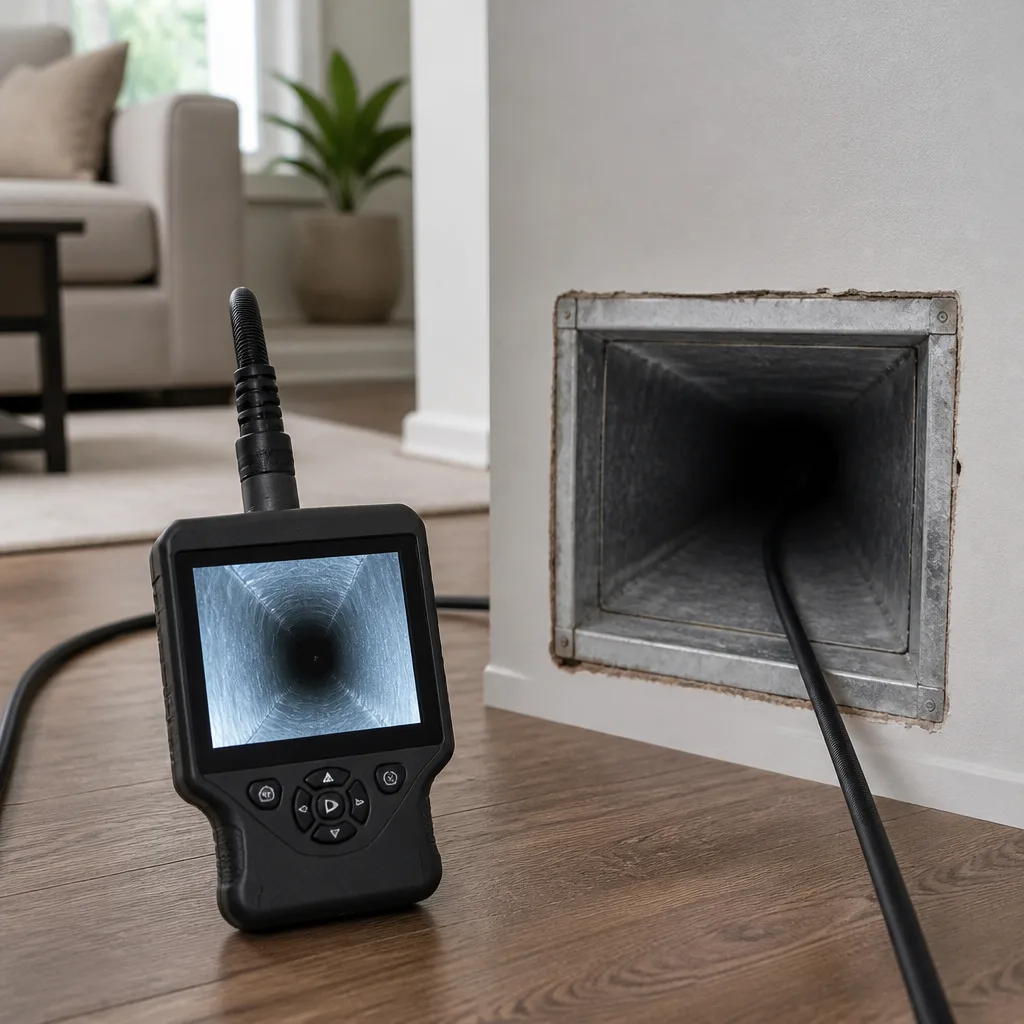 Camera inspection
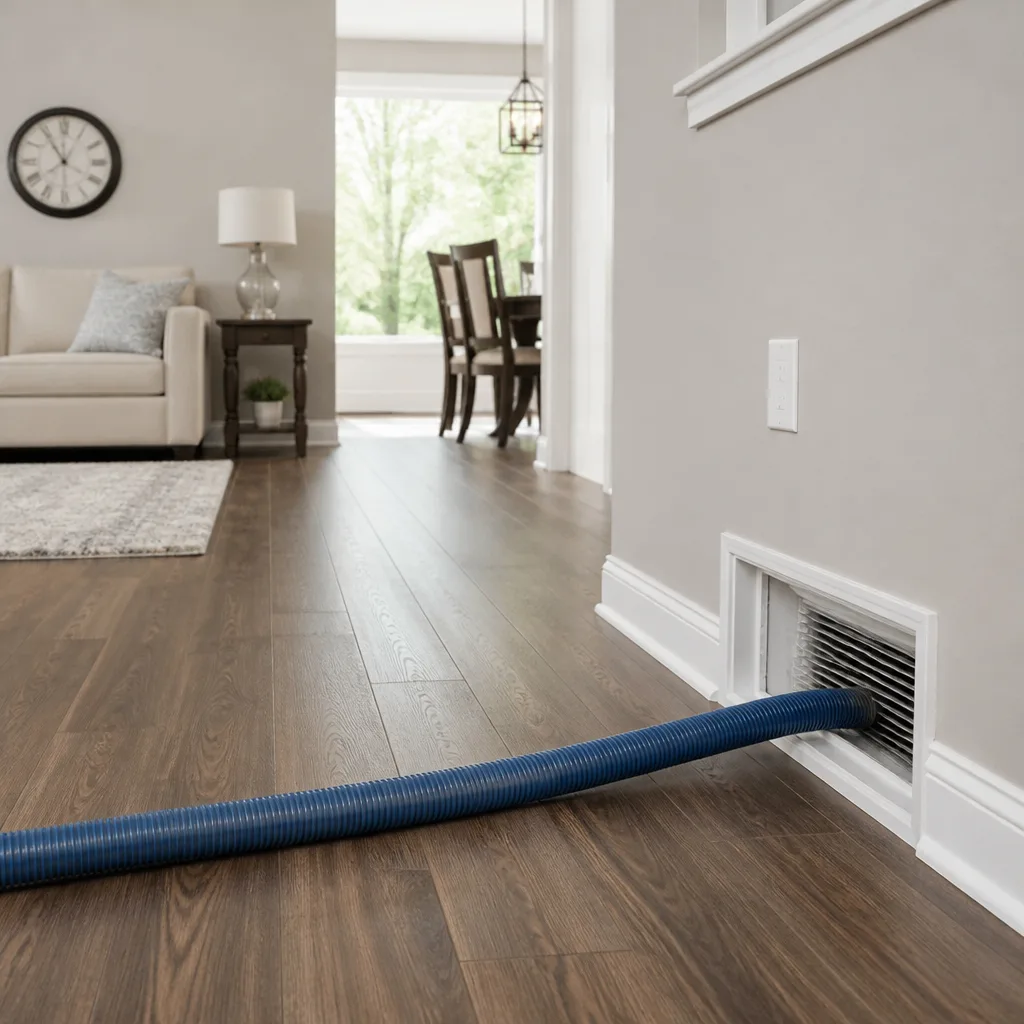 Sanitizing & deodorizing
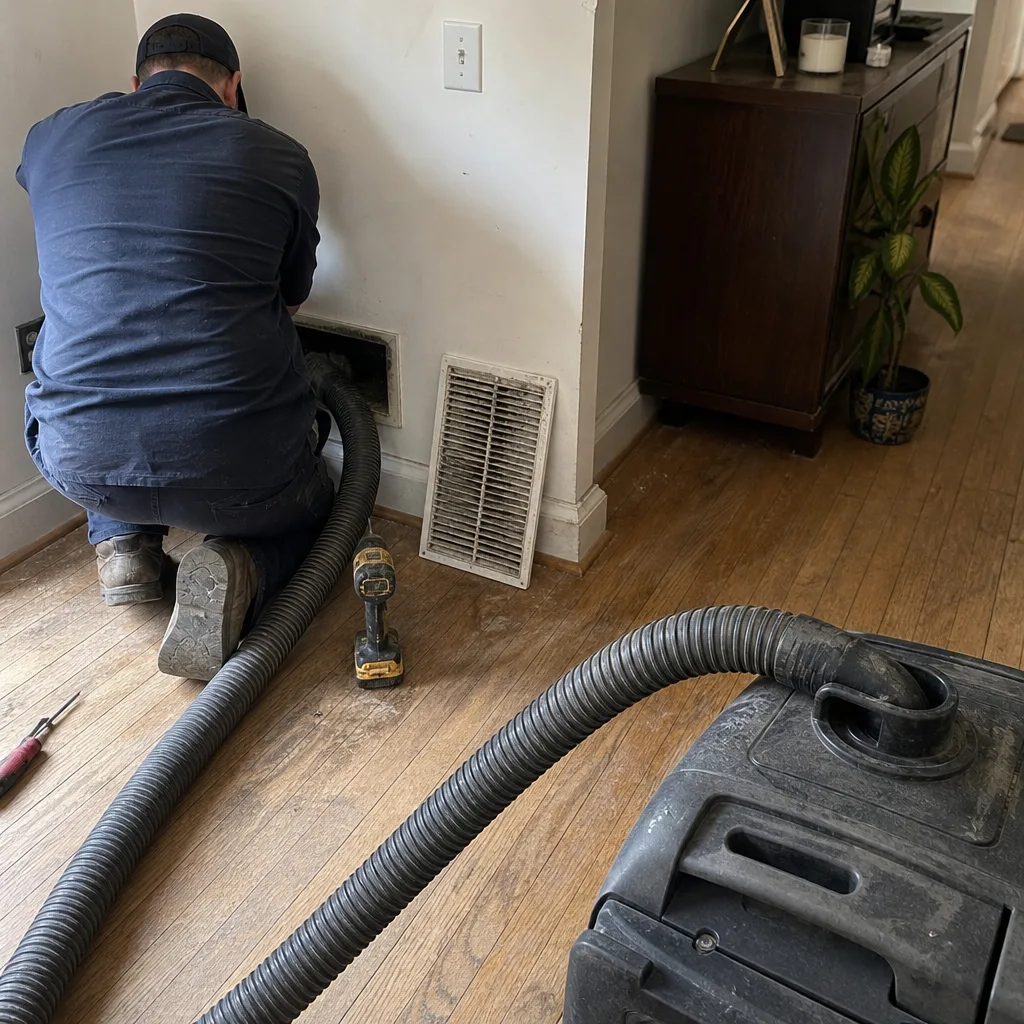
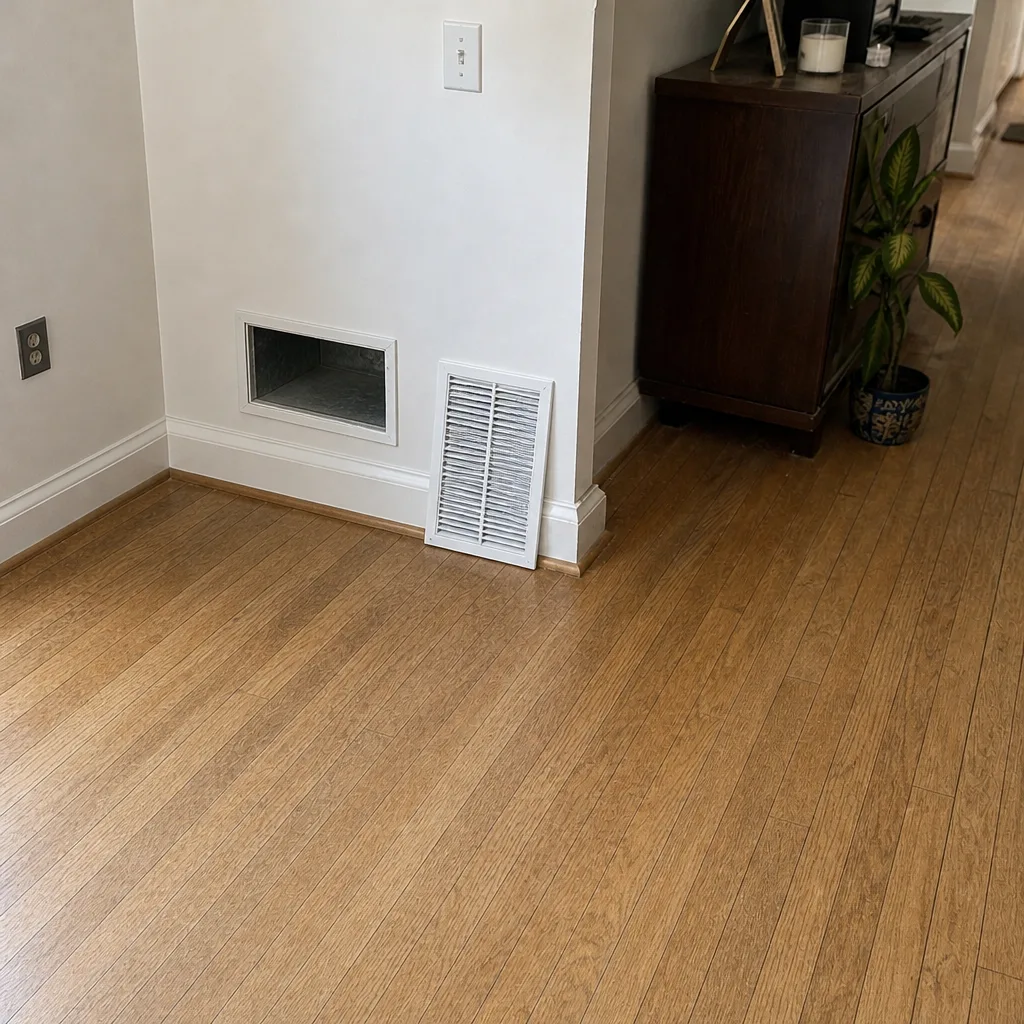
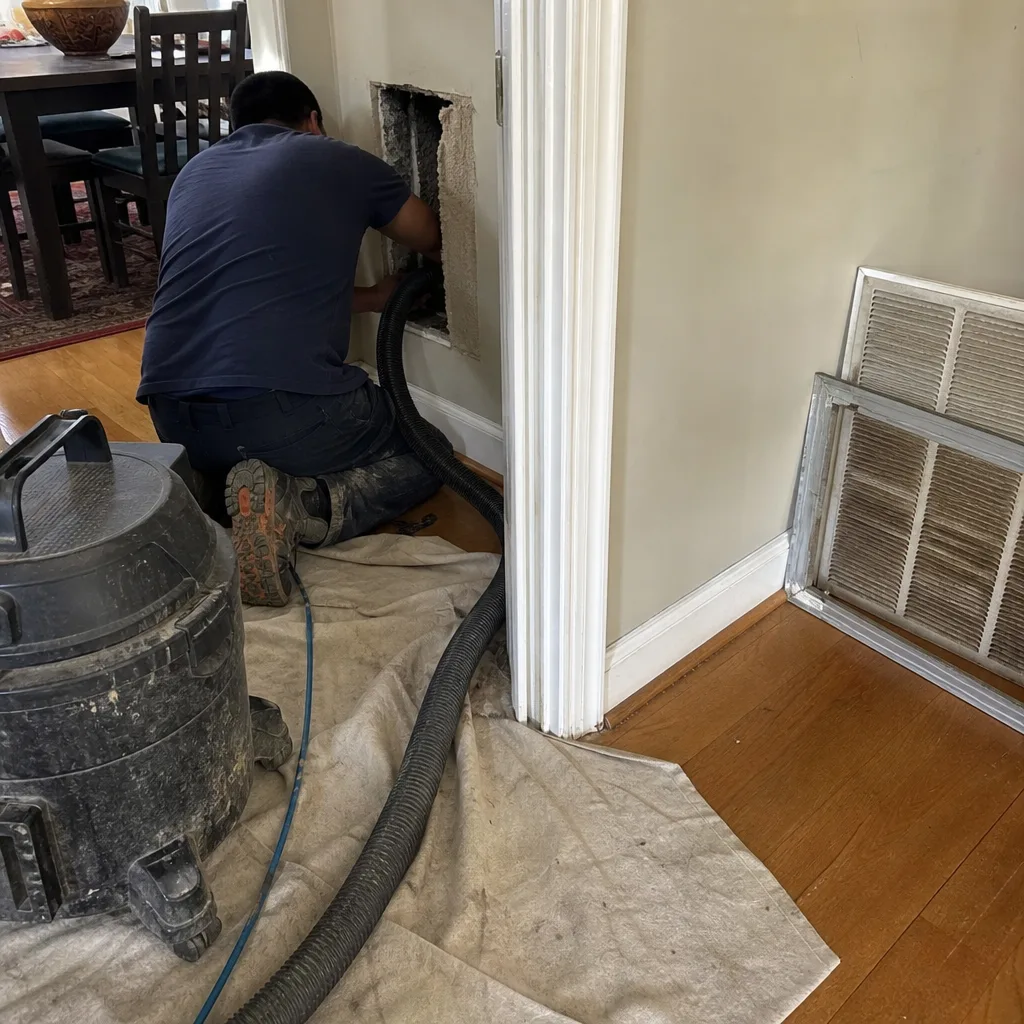
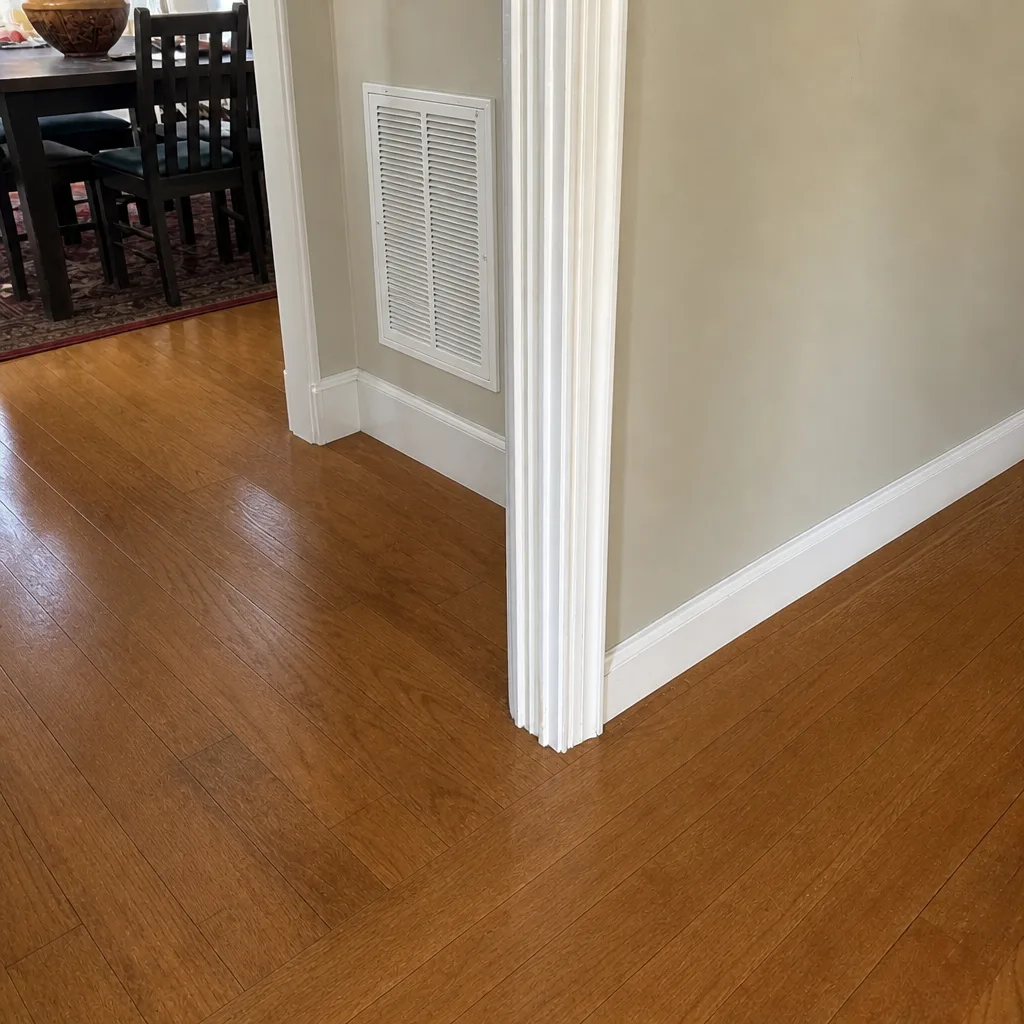
Whole-system duct and dryer vent check with before-and-after photos - you see exactly what came out of your vents
That "$99 whole-house special" is a bait ad - the real number appears once they are in your hallway, or the "clean" is a shop-vac at the register. We photograph the inside of your ducts before and after instead.
The Complete Guide to Air Duct Cleaning in Arlington
Most advice about duct cleaning assumes a house that sat untouched for a decade. Arlington doesn’t work that way. This area has one of the highest rates of home renovation in Northern Virginia, and that changes everything about what’s sitting in your ducts. A colonial that was gutted two years ago, a 1980s townhome with a retrofitted heat pump, a condo finished last spring – each one holds a different kind of debris, and the standard “every three to five years” rule wasn’t written for any of them. This guide walks through what a real full-system clean involves, why brush-based equipment matters in older Arlington homes, how to tell whether a contractor is actually containing dust, and how to verify the work was done.
Quick Answer
Air duct cleaning in Arlington means removing dust, construction debris, insulation fibers, and allergens from every part of the system – supply runs, returns, the main trunk, the coil, and the blower – using negative-pressure containment and contact cleaning, not just vacuum suction at the registers. For homes built before 1980, or any home that has been renovated recently, a full-system clean with brush equipment is the right approach. Expect a written, flat price per system agreed before work starts, and before-and-after photos of your own ducts when it’s done.
Styles & brands we work with
- Whole-home duct cleaning
- Dryer vent cleaning
- Camera inspection
- Sanitizing & deodorizing
Table of Contents
- Why Arlington Ducts Are Different
- What a Full-System Clean Actually Includes
- Post-Renovation Cleaning Is Its Own Category
- Negative Pressure and Why It Matters in Townhomes
- The Equipment Behind a Real Clean
- Humid Summers, Urban Dust, and Buildup Speed
- How to Verify the Work Was Done
- What Duct Cleaning Costs in Arlington
Why Arlington Ducts Are Different
Arlington’s housing stock is unusually varied for its size. Walk from one end of the county to another and you pass mid-century colonials, brick ramblers, 1980s townhome clusters, and newer condo buildings that replaced older commercial or residential lots. Each of those built eras left behind a distinct duct layout problem.
Pre-1980 homes were often built with sheet-metal trunk-and-branch systems sized for a furnace and central air setup that has since been replaced – sometimes more than once. When a modern heat pump gets retrofitted onto an older trunk, the installer frequently runs flexible duct through whatever cavity is available. That flex duct sags, kinks, and traps debris in ways the original rigid metal never did. Vacuum suction alone can’t clear a sagging flex run; a brush has to travel the length of it.
Older Arlington homes also tend to have shorter return runs and tighter mechanical closets, which means less room for the system to shed dust before it recirculates. The result: dust settles faster than in a newer build with a purpose-designed mechanical room.
- Mid-century colonials and ramblers: Rigid metal trunks with later flex-duct retrofits, often under-sized returns.
- 1980s townhomes: Long shared-wall chases where duct runs pass through neighboring units’ framing, making containment critical.
- Post-renovation condos: New systems with construction debris still in the runs from the build-out.
Understanding which category your home falls into changes what the cleaning job actually involves. A technician who shows up with only a vacuum and a hose is equipped for one of those three. A full-system specialist is equipped for all three. If you want to see how we approach each type, our air duct cleaning page covers the process from start to finish.
What a Full-System Clean Actually Includes
A “full-system clean” is not a marketing phrase. It’s a defined scope, and it’s the difference between removing what’s in your ducts and removing what’s in the registers. Most low-cost services clean the second and describe it as the first.
Here is the full scope, in order:
- Supply registers and boots: Each supply vent is removed and cleaned, and the boot (the short duct section just behind the vent) is brushed out.
- Return grilles and return ducts: Returns carry the heaviest dust load because they pull air back from the whole house, so they get the most attention.
- Main trunk line: The large central duct that feeds every branch. Brush-cleaned along its full length.
- Individual branch runs: Every supply and return branch, including the flex runs behind walls.
- Coil: The evaporator coil sits wet through much of the cooling season and captures dust that then dries in place. It has to be cleaned as part of the system, not skipped.
- Blower compartment: The blower wheel pulls air through the whole system, so it accumulates a fine film of dust that recirculates continuously if left alone.
- Containment and HEPA filtration: Negative pressure is maintained throughout so nothing escapes into living space.
That’s what “full-system” means. A partial clean – registers only, or trunk only – leaves the coil and blower untouched, and those two components recirculate debris back into the ducts within a season. If a quote doesn’t mention the coil and blower, it’s a partial clean.
Post-Renovation Cleaning Is Its Own Category
Arlington sees a lot of renovation. Kitchen gut jobs, basement finishes, full-house flips, and condo build-outs all produce debris that goes straight into the duct system during the work. That debris is not household dust, and it doesn’t behave like household dust.
Drywall dust is the main problem. It’s fine enough to travel the length of a duct run and settle in the blower compartment and coil, where it hardens once moisture hits it. Insulation fibers from new wall cavities and attic runs do the same. Sawdust, framing debris, and packaging styrofoam round out the list. And all of it enters the ducts through open registers and returns, because the system is typically running during the work.
Routine maintenance advice doesn’t apply here. Ducts that were clean a year ago can be heavily contaminated a week after a renovation closes out. If you’ve just finished a project – whether you hired the work out or did it yourself – the right call is a full-system clean, not a “wait and see” approach.
- Kitchen and bath remodels: Drywall dust, tile thinset dust, caulk and grout residue.
- Basement or attic finishes: Insulation fibers, framing sawdust, and cardboard or foam packaging.
- Full flips and gut renovations: All of the above, plus debris from old material removal.
- New condo build-outs: Construction dust from the original build plus unit-specific finishing work.
One point worth stating: if your project involved any wall removal in a pre-1980 Arlington home, ask your contractor whether a hazardous-materials assessment was done before demolition. That’s a separate matter from duct cleaning, but it affects what you might find in the ducts afterward.
Negative Pressure and Why It Matters in Townhomes
Negative-pressure containment is the single easiest thing to check on a duct cleaning job, and the one most often skipped by low-cost providers. Here’s what it means and why it’s non-negotiable in attached housing.
Before any cleaning starts, the technician seals the system and connects a HEPA-rated vacuum to create negative pressure inside the ducts. That means air flows into the system – not out of it. Every brush stroke, every dislodged chunk of dust, every drywall crumb gets pulled toward the vacuum rather than puffed into the room.
Without negative pressure, the technician is essentially agitating debris inside an open system. That debris has to go somewhere, and in a room with a running HVAC, it goes into the air you’re breathing.
In a detached single-family home, that’s a mess. In an Arlington townhome or condo with shared walls and shared returns, it’s worse. Dust pushed out of one unit’s ducts can migrate toward shared chases or affect the neighboring unit through a party wall. Negative pressure is what keeps the job contained to the unit being cleaned.
How to verify it:
- Ask what containment equipment is used. “HEPA vacuum” is the minimum answer; “HEPA-rated containment with negative pressure maintained throughout” is the right one.
- Watch for the vacuum hookup. A real containment setup connects to the system before any register comes off. If the technician removes vents first and hooks up later, the containment wasn’t in place for the most contaminated part of the job.
- Look for the HEPA filter housing. Nikro HEPA-rated equipment is visible on arrival. If there’s no HEPA filter stage, the vacuum is just a shop vac with a branding sticker.
- Ask what happens to the dust. The right answer: into the HEPA containment, removed from the unit, and disposed of. Anything else means it stayed in the house.
If a quote seems too low to include this equipment, the equipment is likely what got cut.
The Equipment Behind a Real Clean
Duct cleaning is an equipment business. The difference between a good result and a bad one is almost entirely the tools, not the labor time. Here’s what actually does the work on a full-system clean.
Rotobrush contact-cleaning systems carry a rotating brush head through the duct on a flexible shaft, scouring the interior walls. Suction alone pulls loose dust from the center of a duct but leaves the film stuck to the sides – and that film is what re-contaminates the system. A Rotobrush system physically contacts the duct walls, loosening that film so the containment vacuum can pull it out. It’s the same category of equipment used on commercial and industrial duct work, scaled down for residential and light-commercial runs.
Nikro HEPA-rated vacuums provide the containment side. HEPA filtration traps particulates at the filter stage, which is what makes negative pressure actually protective rather than just moving dust from one room to the next. Without HEPA-rated filtration, containment is partial at best.
Working with and around premium IAQ equipment matters too. Arlington homes increasingly have filtration systems from Honeywell, Aprilaire, and Abatement Technologies installed inline with the duct work. A technician cleaning around those systems needs to know what they are, how they’re mounted, and how to work without damaging electronic filtration components or the media cabinets around them. That’s not a sales point – it’s a practical requirement on modern HVAC systems.
We use Rotobrush and Nikro on every Arlington job because the equipment dictates the result. Our technicians have up to 11 years of experience, and the equipment is what they were trained on.
Humid Summers, Urban Dust, and Buildup Speed
Arlington sits in a humid subtropical climate zone, and that has direct consequences for how fast ducts accumulate debris.
Through the summer, the evaporator coil stays wet most of the day. Airborne dust that reaches the coil sticks to that film, dries when the coil cycles off, and then flakes back into the airstream. That cycle repeats through the cooling season. A duct system that looked fine in April can hold visibly settled dust by September, even in a home with a good filter.
Indoor humidity runs high here from June through September, which also means dust in the ducts stays slightly tacky rather than blowing through – so it clings to duct walls and builds up faster than in dry climates.
The other factor is urban dust. Arlington has dense traffic corridors, ongoing construction activity, and a lot of renovation work happening across the county at any given time. Outdoor particulate gets pulled into the return side of the system continuously through open windows, through the fresh-air intake if the system has one, and through normal envelope leakage in older homes. Older Arlington colonials and ramblers tend to have more envelope infiltration than newer airtight construction, so more outdoor particulate enters the system on the return side.
What that means in practice:
- Homes near major corridors: Consider an inspection sooner than the general three-to-five-year guideline suggests.
- Homes with pets or allergy-sensitive occupants: Buildup is faster and worth monitoring more closely.
- Homes running the system hard through summer: The coil and blower take on debris quickly; they’re the first to need attention.
- Older homes with loose envelopes: Higher infiltration means more outdoor debris entering the system over time.
We don’t recommend a firm timetable as a rule. What we recommend is an inspection if you can see visible dust settling at the registers, if you’ve had a renovation, or if it’s been more than a few years and you’re not sure what’s in there.
How to Verify the Work Was Done
Duct cleaning has a reputation problem, and it’s earned. Anyone with a shop vac can claim to have cleaned a system. Here’s how to know for sure.
- Before-and-after photos of your own ducts. Not stock photos, not photos from another job. After every full-system clean, ask for images of the specific runs that were cleaned. If the technician can’t show you what the inside of your ducts looked like before and after, the work is unverified.
- A written scope agreed before work starts. The quote should list every component cleaned – registers, returns, trunk, branches, coil, blower – and the flat price for the whole system. No per-vent pricing, no “we’ll see when we get in there.”
- Visible containment during the job. If dust is floating through the room while the technician works, containment wasn’t in place.
- Debris removed, not redistributed. The HEPA containment should collect what comes out of the ducts. The technician takes it with them.
- Coil and blower included. If the quote doesn’t mention them, ask directly. Their condition is the best indicator of whether the clean covered the full system.
If the technician can’t answer “show me the before photos” on the spot, that’s your answer.
What Duct Cleaning Costs in Arlington
Pricing in Arlington runs higher than in many surrounding areas because the housing stock is older and the average full-system job includes more branch runs and more difficult-to-reach flex duct than a newer suburban build. A typical full-system clean on a single-family home in Arlington generally runs in the range of several hundred to just over a thousand dollars, depending on the number of runs, system size, and whether the job includes post-renovation debris removal.
Here’s the breakdown of what changes the number:
- Number of supply and return runs: More runs means more cleaning time.
- Access difficulty: Older Arlington homes with tight mechanical closets and hidden flex runs take longer to access.
- Post-renovation debris: Heavier contamination takes longer to clear than routine dust.
- Coil and blower condition: Heavily soiled components add time to the job.
- Duct repair need: If the inspection finds disconnected or crushed runs, repair work is quoted separately.
We set one flat price per system, agreed in writing before any work starts. No per-vent pricing, no bait-and-switch from a low advertised figure to a much larger invoice once the technician has arrived. The written estimate is the final price. The estimate itself is free.
Dryer vent cleaning is quoted separately and covers a different system entirely – it’s a fire-risk reduction service and we treat it that way, with the same flat-price agreement and the same before-and-after standard. If you want the process for that side of the job, our dryer vent cleaning page walks through it.
Common Mistakes to Avoid
- Booking a clean without confirming the coil and blower are included. Registers-only cleaning is the most common partial service sold as a full clean, and it leaves the two worst contamination points untouched. Ask directly what the quote covers, in writing.
- Assuming post-renovation work is just “a clean.” Drywall dust and insulation fibers need the same full-system scope, but the job takes longer. Booking a routine clean after a gut renovation means the debris won’t fully clear.
- Choosing on price alone in an attached Arlington townhome. In a shared-wall unit, containment isn’t a nicety – it’s what keeps dust from moving into neighboring spaces. A quote that doesn’t mention HEPA containment is a quote that doesn’t include it.
- Skipping the coil because “the ducts are what I’m paying for.” The coil sits between the return and the supply. Cleaning the ducts without cleaning the coil means the first hour of runtime re-contaminates them.
- Working around aging flex-duct retrofits without checking for disconnects. Older Arlington homes often have flex runs that have slipped off collars or sagged out of place. Cleaning a disconnected flex run without fixing it is wasted work.
- Accepting verbal-only scope. If there’s no written component list, there’s no way to verify what was done. “We cleaned the whole system” isn’t a scope.
- Ignoring dryer vent maintenance while booking duct cleaning. They’re separate systems but the same trip, and dryer vents are the higher fire-risk of the two. If you’re booking one, ask about the other.
See the difference
 Before
 After
 Before
 After
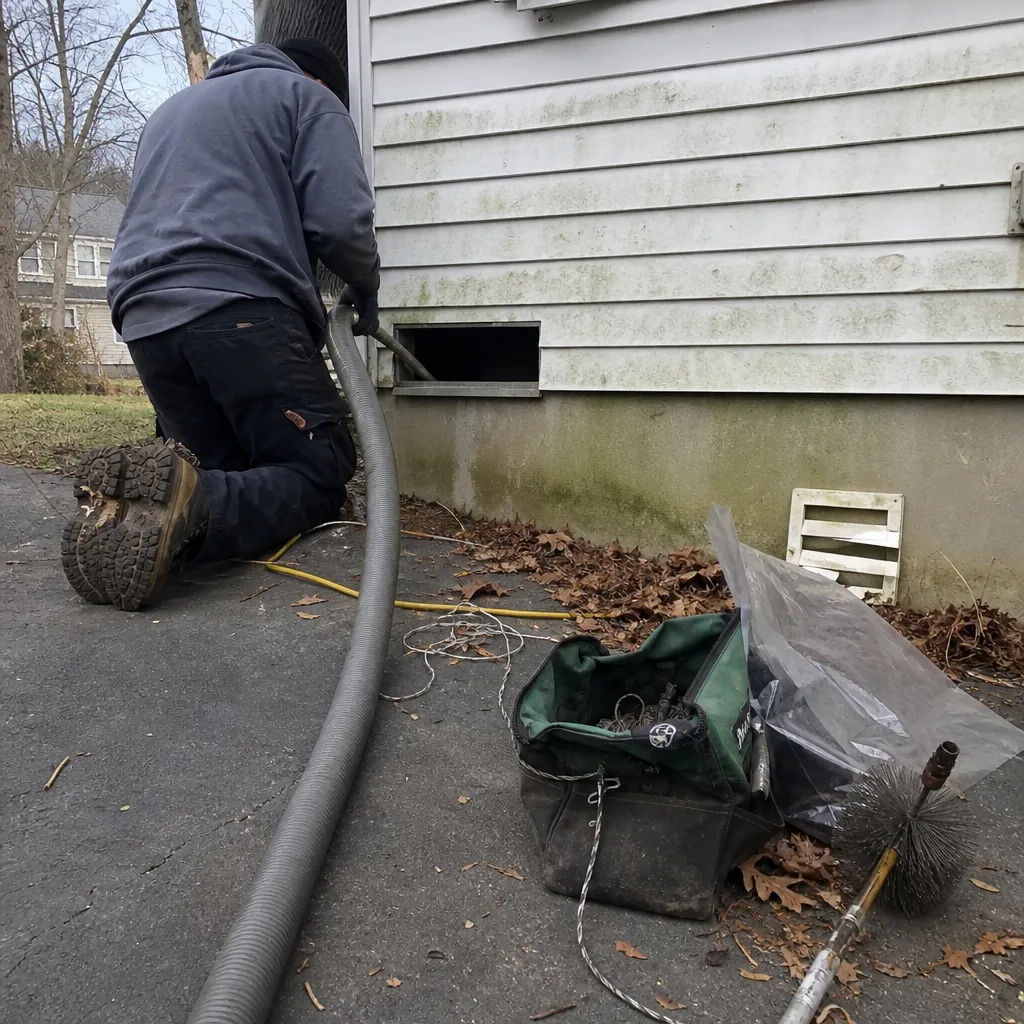 Before
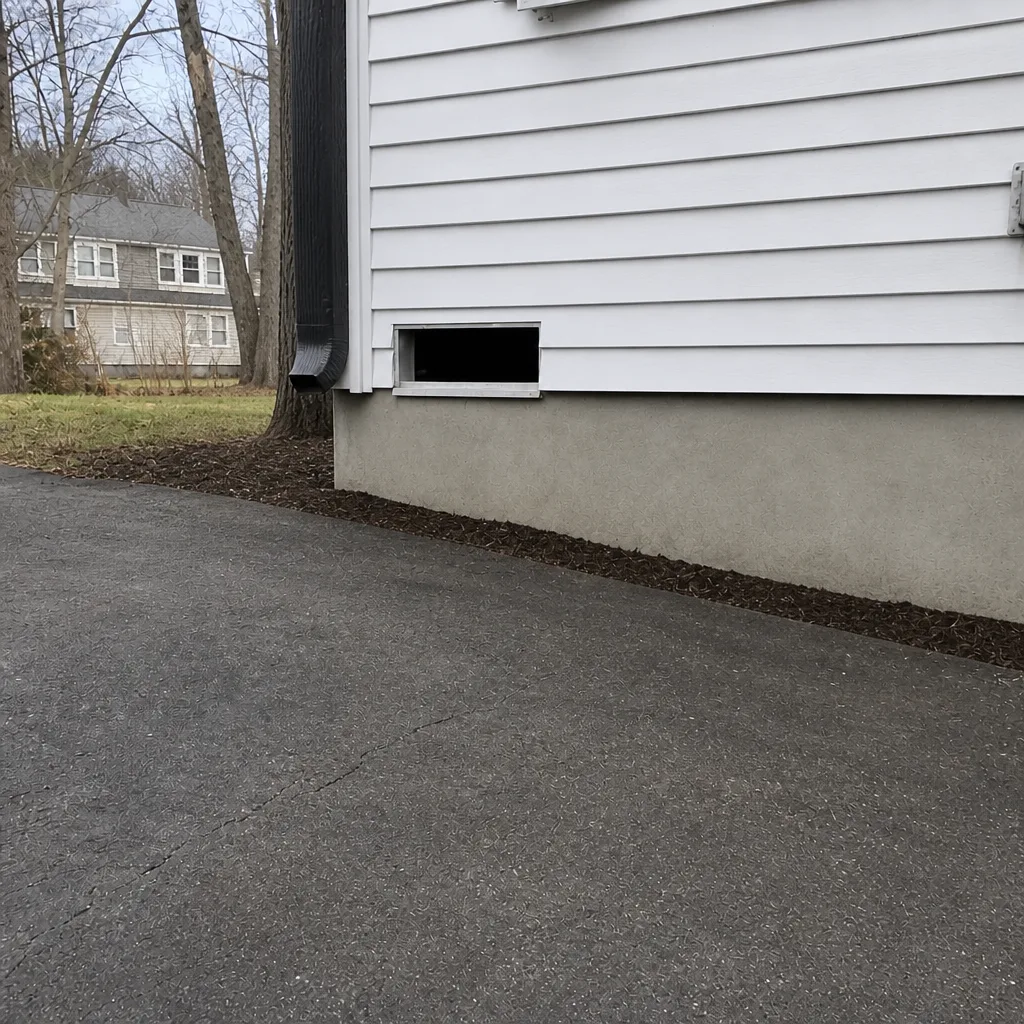 After
When to Call a Professional
Some situations call for a professional sooner than the general maintenance advice suggests. If you’ve just finished a renovation, moved into a home with an older system you don’t have service records for, noticed visible dust settling near registers within days of cleaning them, or have someone in the house with asthma or allergies that seem worse indoors, an inspection is worth scheduling. In attached Arlington townhomes and condos, any sign of cross-unit dust or shared-return movement is a call-out reason on its own.
We also do duct repair, which is worth knowing because many cleaning companies will report a disconnected flex run or a crushed duct and then leave you to find someone else to fix it. We close that loop in the same visit.
Juniper Air Duct Cleaning offers free estimates in Arlington – call (844) 932-0326. We answer 24/7. Fast dispatch from 7am to 7pm, Sunday through Friday.
Frequently Asked Questions
A full-system clean in Arlington typically runs from several hundred to just over a thousand dollars, depending on the number of runs, system size, and whether there’s post-renovation debris involved. The price is set as one flat rate per system, agreed in writing before work starts, so the estimate is the final number. Call (844) 932-0326 for an exact quote – estimates are free.
Cheap quotes usually cut the parts of the job that aren’t visible – the coil, the blower, HEPA containment, and the brush equipment that actually scours the duct walls. What’s left is a vacuum pass at the registers. In Arlington’s older homes that often means the ducts look cleaner at the vent but the contamination is still sitting in the trunk and branches. If the quote doesn’t mention HEPA containment and coil cleaning, that’s what was cut. Call (844) 932-0326 to compare a full-system quote.
There’s no fixed interval that applies to every home here – Arlington’s older housing stock and frequent renovation activity mean buildup speed varies a lot. A practical approach is to inspect after any renovation, after moving into a home with an unfamiliar HVAC history, and any time you see dust settling at registers faster than usual. Homes with pets, allergy-sensitive occupants, or heavy summer runtime tend to need attention sooner. Call (844) 932-0326 if you want an inspection to determine whether cleaning is actually needed.
Ask for before-and-after photos of your own ducts, not stock images. A proper containment setup is also visible during the job – HEPA vacuum hooked up before any vent comes off, no dust in the room, containment debris removed at the end. If the technician can’t show you the before images and the containment equipment, you can’t verify the work. Call (844) 932-0326 and we’ll walk you through exactly what verification looks like on your system.
Yes, if the system was running during the work or if registers or returns were open at any point. Drywall dust, insulation fibers, and framing sawdust enter the ducts during renovation and settle in the coil and blower where they cause the most trouble. This isn’t routine maintenance – it’s a heavier job and should be quoted as one. Call (844) 932-0326 to book a post-renovation clean.
Yes. We clean and repair, which matters in Arlington’s older homes where disconnected flex runs, crushed sections, and sagging retrofits are common. Most cleaning companies will identify a repair and leave you to source it separately. We quote the repair as part of the same visit. Call (844) 932-0326 for a combined estimate.
We serve homes and light-commercial properties across Arlington and the surrounding Northern Virginia area, including older colonials, 1980s townhome clusters, and condos. Whether you’re in an older neighborhood or a newer building, the equipment and scope are the same full-system approach. For city-specific details, see our Arlington page.
The Bottom Line
Duct cleaning in Arlington isn’t the same job it is in a newer suburb, and treating it that way is how homeowners end up with a clean-looking register and a contaminated coil. The three things that actually determine a good outcome are: a full-system scope that includes the coil and blower, HEPA containment with negative pressure throughout the job, and a contractor who can show you before-and-after photos of your own ducts. Post-renovation homes and pre-1980 builds need more attention than the standard advice suggests. Arlington’s housing stock and humid summers mean buildup happens faster here than most guides assume.
Juniper Air Duct Cleaning handles all three of our core services – duct cleaning, dryer vent cleaning, and duct repair – with professional-grade Rotobrush and Nikro equipment and one flat price per system agreed before work starts. Call (844) 932-0326 for a free estimate. We answer 24/7. Fast dispatch from 7am to 7pm, Sunday through Friday.
For the full picture of what we do and how we work, visit Juniper Air Duct Cleaning.
Written by the team at Juniper Air Duct Cleaning.